Packing Shoes For A Short Coastal Trip Checklist For First Time Readers
A practical step-by-step guide to packing shoes for a short coastal trip checklist for first-time readers, including preparation, instructions, common issues, tips, and next steps.
Packing Shoes For A Short Coastal Trip Checklist For First Time Readers
This guide provides a complete checklist for packing shoes for a short coastal trip, helping first-time readers avoid common mistakes and ensure comfort and practicality. It covers preparation, step-by-step packing strategies, and solutions to common issues, all tailored to a coastal environment with changing weather and activities.
Fast Answer
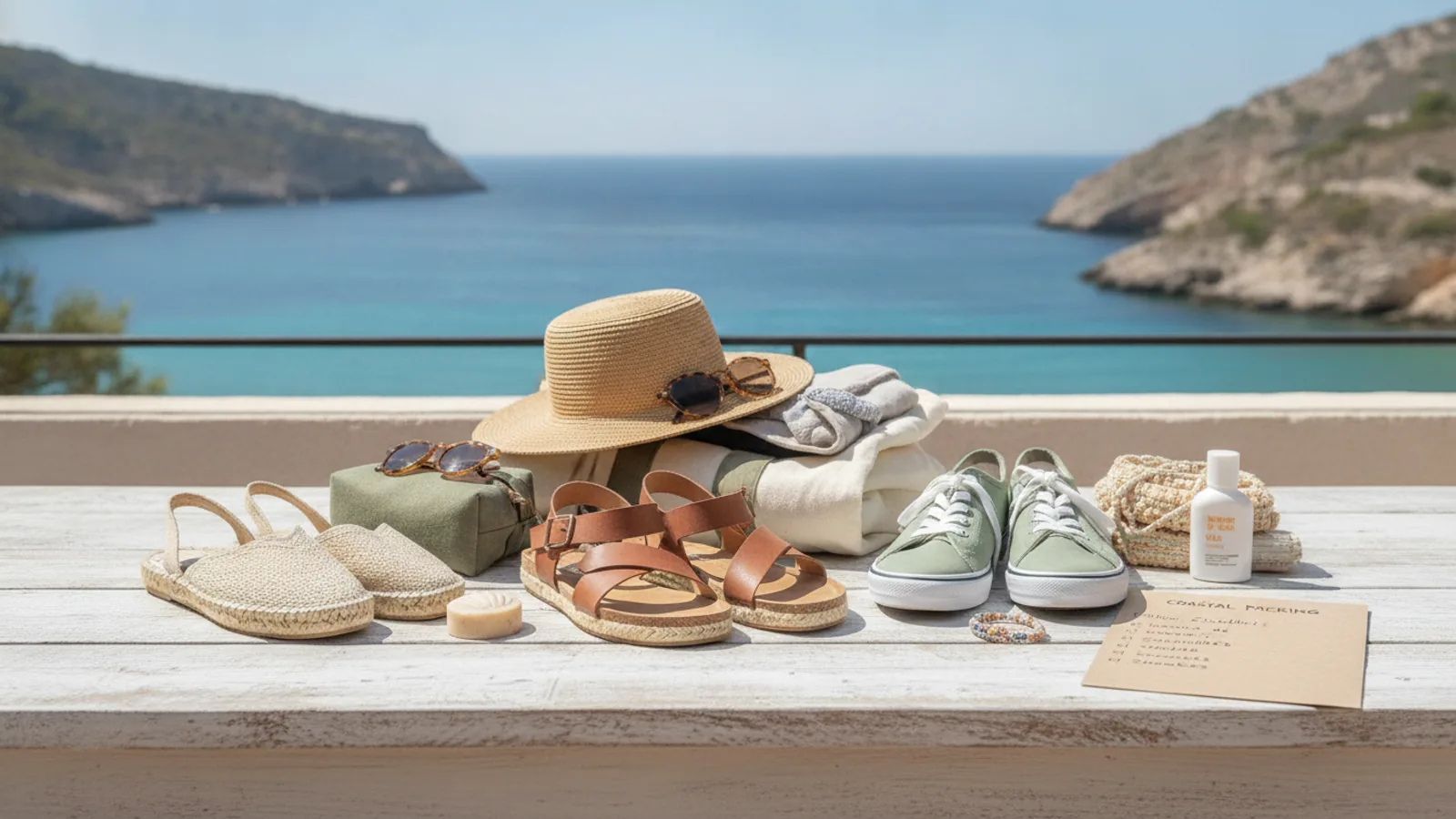
- Choose three versatile pairs: a sturdy pair of walking shoes or sneakers, a pair of sport sandals with straps, and a pair of comfortable casual shoes for evenings. This covers most activities without overpacking.
- Pack each pair in a separate cloth bag or stuff socks inside to save space, and place them at the bottom of your suitcase or along the sides to balance weight. Use a shoe bag or shower cap to protect your clothes.
Before You Start
- Check the weather forecast for your specific coastal destination and planned activities. This will help you decide between waterproof shoes, breathable sandals, or a mix of both, and whether you need extra grip for rocky paths.
- Check your shoe racks and select pairs that are already broken in to avoid blisters. For each pair, confirm the soles are not worn and the straps or laces are secure. If any pair needs repair, do it before the trip.
- Make a list of daily activities: long walks on the beach, hiking trails, dining out, or water sports. This helps you match shoes to each activity and avoid bringing unnecessary duplicates.
- Gather packing supplies: small cloth bags or plastic bags for each pair, a waterproof dry bag for wet shoes, and a shoe horn if you need one. Also, check your luggage size and weight limits to guide how many shoes you can bring.
Step-by-Step Instructions
Assess Your Activities and Terrain
Before you start packing, write down every planned activity for your coastal trip. For a short trip, likely activities include beach walks, exploring a town or pier, hiking on cliffs or trails, and perhaps dining at a nice restaurant. For each activity, note the terrain: sand, pavement, rocks, or wooden decks. This list will guide your shoe choices. For example, if you plan to hike, you need shoes with good traction. If you will spend most time on sandy beaches, open sandals are fine. Consider the weather: if rain is expected, waterproof boots or shoes are wise. Once you have your list, you can determine that you need a maximum of three pairs: one for outdoor active use, one for beach and water, and one for casual evenings. This step is crucial because it prevents overpacking and ensures you have the right footwear for each situation, avoiding discomfort or even injury.
Select the Three Essential Pairs
Based on your activity list, choose exactly three pairs of shoes. Pair one: sturdy walking shoes or lightweight sneakers for activities like hiking, exploring town, or long walks on the pier. Look for a pair with good arch support and a closed toe to protect against rocks and debris. Pair two: sport sandals with adjustable straps, such as those made for water sports. These are perfect for beach walks, wading, or boat trips because they dry quickly and protect your feet from hot sand or sharp objects. Pair three: casual shoes like loafers, boat shoes, or fashion sneakers for dinners or relaxed evenings. This pair should be comfortable for standing and walking but still look neat. Avoid bringing more than three pairs because it adds weight and clutter. Ensure all shoes are already broken in, meaning you have worn them for a few days without discomfort. If a pair is new, either break them in before the trip or leave them behind.
Clean and Prepare Each Pair
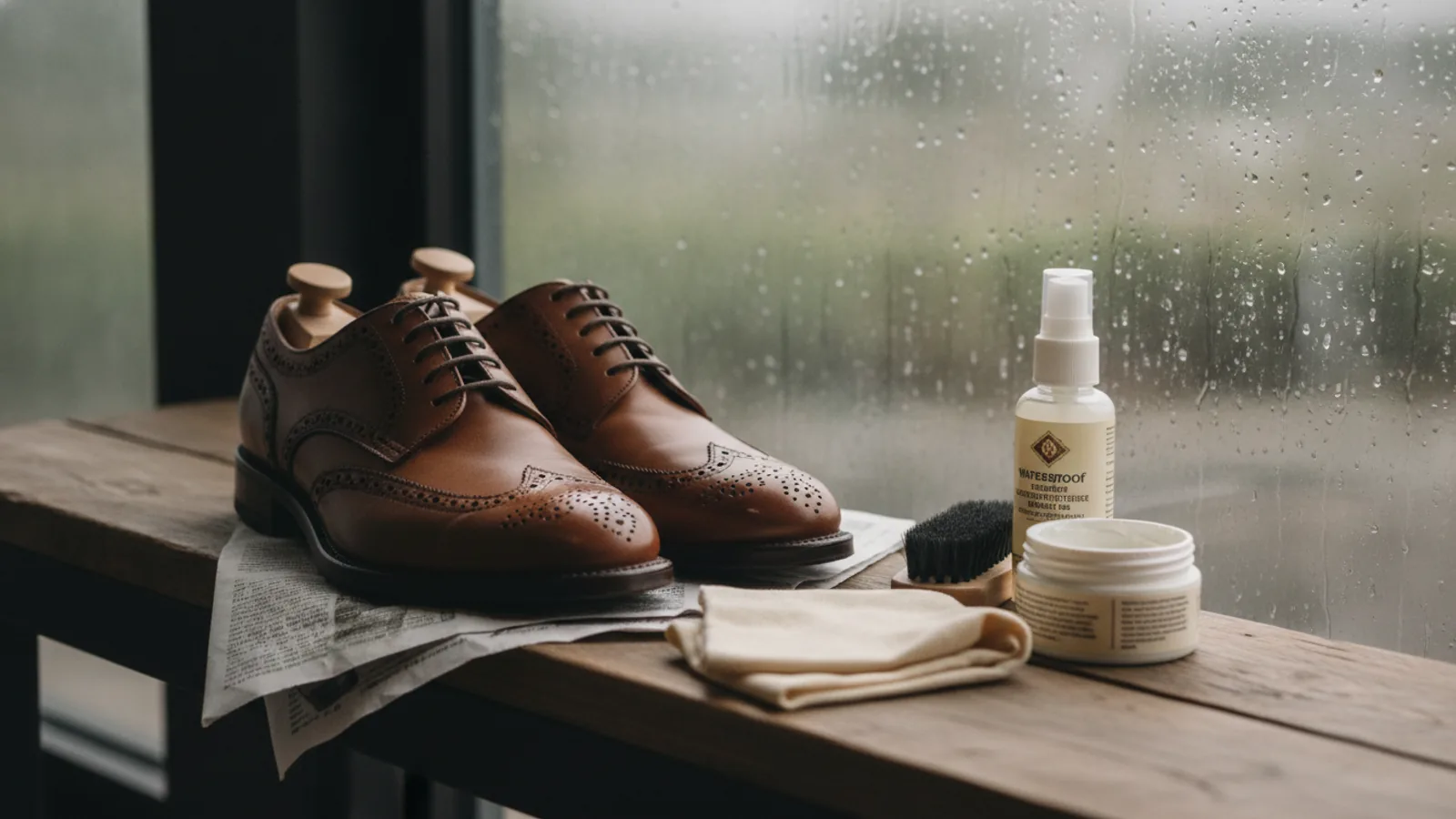
Before packing, clean each pair of shoes to remove dirt, sand, and odor. Wipe them with a damp cloth and remove any visible debris from the soles. If they are machine washable, follow the care instructions but ensure they are completely dry before packing. For leather shoes, apply a conditioner to keep the material supple. Check the soles for wear; if they are excessively worn, consider replacing them or leaving the pair behind. Also, check the stitching and straps for any damage. Once clean, let them air dry for at least 24 hours. This step is vital because packing damp shoes can cause mildew and unpleasant odors. It also ensures you are not carrying extra dirt into your luggage. After they are dry, you can stuff them with socks or shoe trees to maintain their shape and save space.
Pack Shoes to Save Space and Protect Clothes
Place each cleaned pair of shoes in a separate cloth or plastic bag to protect your clothes from dirt and prevent shoes from damaging each other. For two of the pairs, you can pack them at the bottom of your suitcase, positioning them along the sides or in the corners. This balances weight and uses the often-wasted space around the wheels. For the third pair, consider placing them in the middle, perpendicular to the bottom, but only if you have room. To save more space, put small items like socks, belts, or chargers inside the shoes themselves. Use a shoe horn to tuck the shoes in if needed. Always ensure that the shoes are not pressed too tightly, as this can deform them. If you are using a duffel bag, line the bottom with a layer of shoes, then pack clothes on top. This packing order is important because it keeps heavy items at the bottom for stability and prevents shoes from crushing your belongings.
Prepare a Wet/Dry Shoes Strategy
Since you are traveling to the coast, you likely will get some shoes wet. Designate a waterproof dry bag or a plastic zip-top bag to hold wet shoes at the end of each day. After a beach day, shake off sand and rinse your sandals with fresh water if possible, then place them in the bag. Do not put wet shoes inside your main suitcase, as they can soak your clothes. In the evening, take them out to air dry in your hotel room, but place them on a towel. If you have a pair of walking shoes that might get wet, consider treating them with a water-repellent spray before the trip, but only if they are suitable for it. This strategy ensures that you have dry footwear for the next day and prevents moisture damage to your belongings. It also helps to extend the life of your shoes by preventing odor and corrosion.
Do a Final Check and Pack Smart
Before you zip your suitcase, do a final check: place all three pairs together and confirm that you have not forgotten any essential items like the dry bag, shoe horn, or extra insoles. Ensure that the shoes are not at the very top where they might crush under other items, but rather at the bottom or sides. If you are worried about weight, weigh your luggage to see if it is within limits. For a short coastal trip, you should not need more than three pairs of shoes. This keeps your bag light and gives you enough room for other necessities. Finally, take a moment to visualize each day of your trip and mentally confirm that your shoe selection covers all planned activities. This step is the last line of defense against forgetting something important and ensures a smooth start to your vacation.
Quick Reference
| Situation | Action | Why it helps |
|---|---|---|
| You are headed to the beach for a day of swimming and walking on sand. | Wear your sport sandals with straps and bring a dry bag to store them when you are done. Rinse them with fresh water if available before bagging. | Sport sandals dry quickly, protect your feet from hot sand and sharp objects, and the straps keep them secure in water. Rinsing removes salt and sand that can cause irritation and damage. |
| You have planned a 5-mile hike along the coastal cliffs with uneven rocky paths. | Choose your sturdy walking shoes or sneakers and check the soles for good traction. Bring a small first-aid kit in case of blisters. | Sturdy shoes with ankle support and gripping soles reduce the risk of slips and ankle sprains on uneven terrain. A first-aid kit allows you to treat friction points promptly. |
| It is a rainy day and you need to go out for a meal and a short walk | Wear your water-resistant walking shoes if you have them, or carry an umbrella and avoid puddles. If your only dry shoes are casual, wear them and plan a route under cover | Keeping your feet dry prevents blisters and discomfort. Choosing a route with awnings or covered areas minimizes exposure to rain, so your shoes stay acceptable for later. |
Common Issues
- Shoes smell after being packed in a bag for a day: Remove the shoes from the bag and let them air out overnight. Place a small pouch of baking soda inside each shoe to absorb moisture and odor. In the future, ensure shoes are fully dry before packing and consider using a shoe deodorizer.
- Shoes get soaked after a rain shower: If your shoes are not waterproof, put them in a sealed plastic bag immediately to keep the rest of your belongings dry. At the end of the day, stuff them with newspaper and let them air dry. Do not use a heat source, as it can warp the shoes.
- You find you have packed too many shoes and have a heavy bag: Before departure, remove any pair that is not essential for your itinerary. For a short trip, you likely can manage with two pairs: one for walking and one for beach/casual. Wear the heaviest pair on the plane to reduce luggage weight.
Advanced Tips
- Use shoe trees or firmly rolled socks to help shoes retain their shape and reduce creases during travel.
- If you are backpacking, place shoes in your pack near the top or in an external pocket to maintain balance and easy access.
- Consider marking your shoe bags with a small icon or color to quickly identify which pair is for what activity without opening them.
Final Checklist
- Check the weather forecast for your destination and confirm your shoe selection matches the expected conditions.
- Clean and thoroughly dry all shoes before packing, and place each in its own cloth or plastic bag.
- Pack your shoes at the bottom or sides of your luggage, stuffing socks or small items inside to save space.
- Include a waterproof dry bag for wet shoes and a small blister treatment kit, just in case.
FAQ
How many pairs of shoes should I bring for a short coastal trip?
For a short coastal trip of a few days, three pairs is ideal: one pair for walking and hiking, one pair of sport sandals for the beach, and one casual pair for evenings. This covers most activities without overpacking. If you are limited on space, two pairs can work if they are versatile.
What is the best way to pack shoes to save space?
To save space, stuff smaller items like socks or belts inside the shoes, and place them at the bottom of your suitcase. Use cloth or plastic bags to separate each pair and protect clothes from dirt. You can also use a shoe horn to slide shoes into tight corners.
How do I keep my shoes smelling fresh during the trip?
After each day, air out your shoes and use a dry bag for any wet or damp pairs. Place a small pouch of baking soda inside each shoe to absorb moisture and odor. If you can, soak them in a safe solution of vinegar and water, then dry thoroughly and apply a deodorizer.