What To Check Before An Easy Workwear Outfit Around Comfortable Flats
A practical step-by-step guide to what to check before an easy workwear outfit around comfortable flats, including preparation, instructions, common issues, tips, and next steps.
What To Check Before An Easy Workwear Outfit Around Comfortable Flats
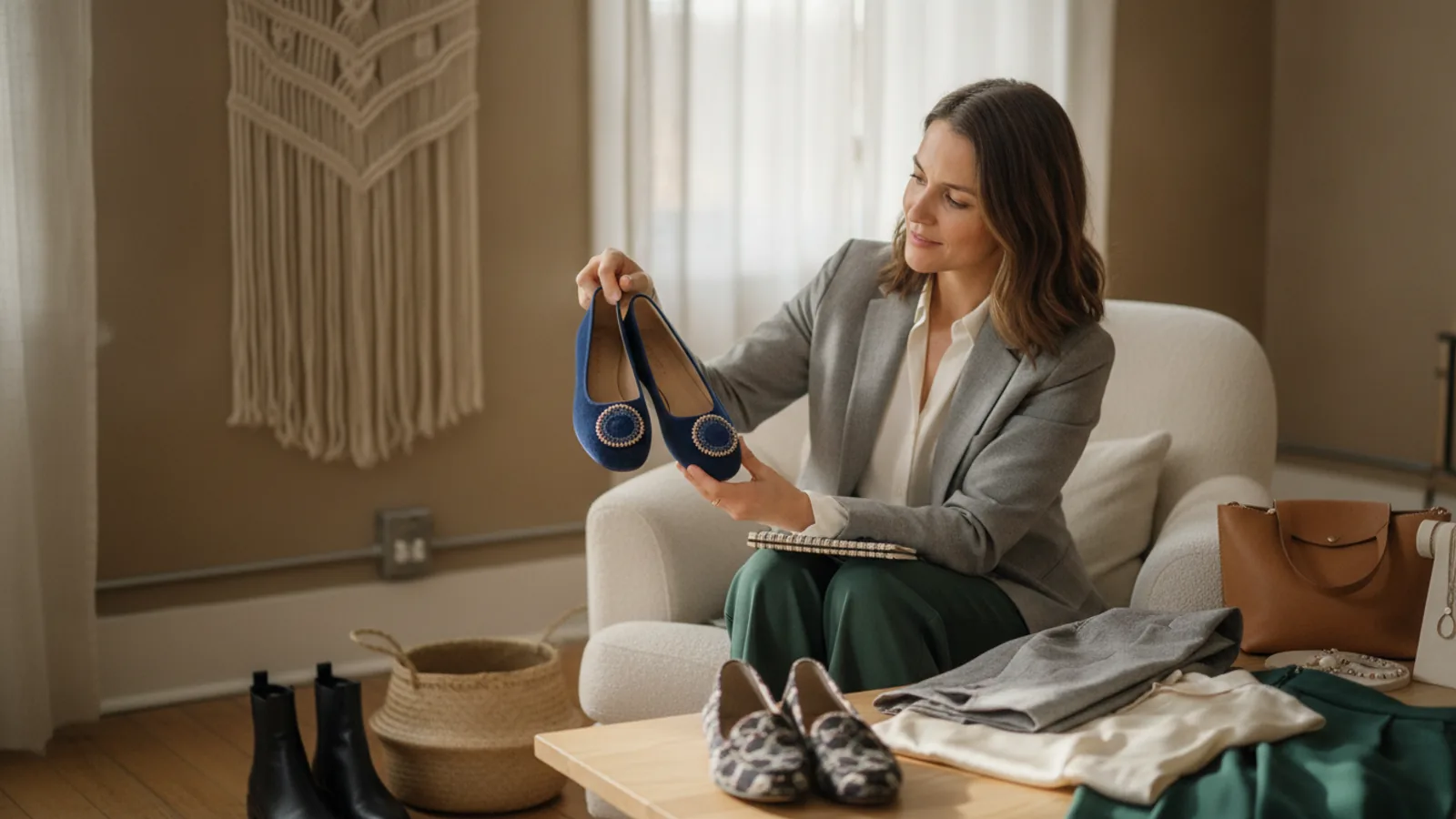
Putting together an easy workwear outfit around comfortable flats starts with a quick pre-outfit check that saves you from midday discomfort and rushed changes. This guide walks you through checking your flats' condition, the fit and support of your shoes, the weather and walking plan for the day, and the confidence-boosting details of your outfit. Each step gives a concrete action, a practical check, and a quick reason why it matters, so you can leave the house feeling polished and ready.
Fast Answer
- Inspect your flats for worn soles, loose stitching, or rough edges that could cause blisters or slips.
- Check the weather and your walking plan to confirm your flats are the right choice for the whole commute.
Before You Start
- Lay out your chosen outfit on a chair and examine your flats under good light for scuffs, cracks, or loose soles.
- Look inside your shoes for worn lining or hard spots that might rub against your feet.
- Put on your flats and walk a few steps around your room to notice pressure points or slipping heels.
- Review the day's forecast, including rain, heat, or long walks, to decide if your flats will stay comfortable.
Step-by-Step Instructions
Check Your Flats for Structural Integrity
Start by picking up each flat and examining the sole. Run your thumb along the sole from heel to toe to feel for smoothness. Look for uneven wear, peeling rubber, or cracks near the ball of the foot. Check the stitching and glue seams around the upper, especially where the shoe bends when you walk. If you notice a loose heel or a gap between the sole and the upper, that shoe is likely to cause discomfort or a slip later. Fix minor issues with strong adhesive or take the shoes to a cobbler for a quick repair, but if the sole is paper-thin or hardened, replace them. This quick check takes only a minute, yet it prevents the pain, blisters, and even falls that come from worn footwear, ensuring your feet stay happy from the first step to the last. If you are unsure about the condition, do a bend test: a flexible but sturdy sole is ideal; a shoe that folds too easily or resists bending may be a signal to choose another pair.
Test the Fit and Heel Grip
Put on both flats with the same type of socks or bare feet you will wear. Stand up and press your toes to the front; you should have about a half-centimeter of space between your longest toe and the shoe edge. Walk a few steps and notice if your heel slips more than a small amount when you move. A slight lift is normal, but a slip that is noticeable or uncomfortable means the shoe is too big in the heel or too loose overall. Also check the width: your foot should not spill over the sides, and you should not feel pinching. For a snug fit without pain, you can use insoles or heel grips, but only if they do not crowd your toes. This fit test matters because a shoe that is too tight can cause blisters and circulation problems, while one that is too loose leads to friction and even a twisted ankle, both of which will ruin a comfortable workday.
Match Your Flats to the Day's Plan
Consider exactly what your day includes: a long commute on concrete, several meetings with no sitting, or a quick lunchtime walk outside. If you will be on your feet for hours, choose flats with a thicker sole or added arch support. Check the heel height: even a small heel changing your posture can lead to back pain if you walk a lot. For rainy days, see if your flats have a non-slip sole and whether the material is water-resistant. If you are going to walk more than a few blocks, think about whether the flats are broken-in enough; brand-new stiff shoes can cause blistering. Also consider your after-work plans, like running errands or a casual evening event, and make sure the flats work for both. This matching step ensures your footwear supports your whole day, not just your desk time, so you do not end up with sore feet or a damp pair of shoes that ruin your outfit.
Prep Your Flats for Comfort
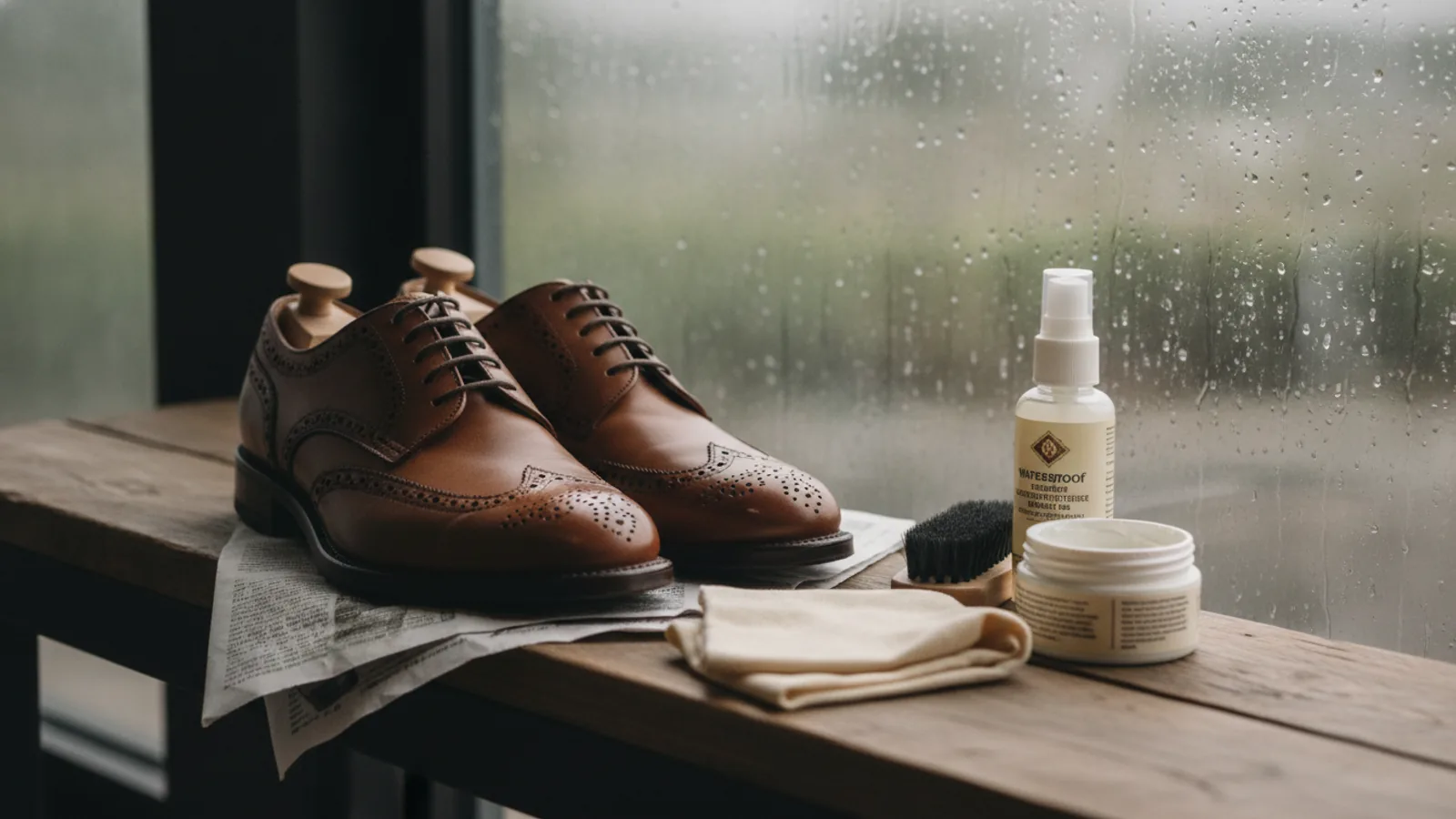
Before you step out, improve the comfort of your flats with a few simple tweaks. Use a soft cloth to wipe off any dust or rough spots on the inside that could rub your skin. If your flats are slippery on the inside, add a thin, non-slip insole or a light dusting of talc to keep your foot from sliding. For leather or suede, apply a conditioner or protector spray to keep the material soft and water-repellent, but let it dry completely first. Check the edges of the shoe opening and use a heel liner to prevent chafing. You can also stretch tight areas by wrapping a bag of water inside the shoe and freezing it, a trick that gently widens the shoe overnight. Taking five minutes to prep your flats now can prevent hours of discomfort later, because even minor irritations become painful when you are on your feet all day.
Coordinate Your Outfit for a Polished Look
Once your flats are comfortable, check that your outfit still looks cohesive. Put on the entire ensemble, including the flats, and stand in front of a full-length mirror. Look at the hem length of your trousers or skirt: it should be long enough to look finished but not so long that the hem drags on the floor or creases unattractively. For pants, the break should be a front crease or just graze the top of your shoe. If you are wearing a dress or skirt, check that the proportions balance with the flat shoe; a midi skirt works well with a simple pointed flat, while a mini skirt pairs better with a sleek ballet style. Check the overall silhouette: avoid overly wide-leg trousers that swamp the delicate look of flats. This coordination step matters because your outfit and shoes together send a message of care and competence, and a poorly balanced hem or clashing style will make you feel less confident even if your feet are fine.
Do a Final Walking Test
Before you leave, walk a short distance in your flats, maybe around your home or down a hallway, to simulate a few minutes of real walking. Pay attention to any new pressure points or rubbing that you did not notice earlier. Walk on different surfaces if possible—carpet, tile, and a hard floor—to check the grip and stability. Practice going up and down a few stairs to see how your foot stays in place. If you feel any hot spots, blisters, or slipping, make a last-minute change or add a protector. Also, check that your toes have enough room in the toe box and that the shoe does not pinch when you bend your foot. This final test is your last chance to catch issues before you are away from home, so it gives you peace of mind that your comfortable flats will last the whole day without interruption.
Quick Reference
| Situation | Action | Why it helps |
|---|---|---|
| You notice the sole of your flat is worn smooth or has a crack near the ball of your foot. | Take the shoe to a cobbler or replace it immediately if you see visible damage. | A damaged sole offers no traction or support, which risks slips and swift foot fatigue on hard floors. |
| Your heel slips out of the shoe each time you take a step. | Add a heel grip or insert a cushioned insole, and then test again to see if the slip is gone. | Excessive heel slip creates friction that causes blisters and makes walking less stable, so correcting it improves all-day comfort. |
| The forecast includes light rain and you are wearing suede flats. | Treat your flats with a waterproof spray before wearing them, and consider carrying an umbrella. | Suede can be easily damaged by water, leading to stains and a misshapen shoe, so a protective spray preserves both comfort and appearance. |
Common Issues
- Blisters form on the heel or little toe within an hour of wearing new flats.: Prevent them by applying a friction-reducing balm or placing a cushioned heel liner before you start your day. For a quick fix, cover the area with a soft bandage or moleskin right away.
- Your flats make a slapping sound when you walk, indicating a loose fit.: Add an arch-support insole to help fix your foot in place. If the shoe still feels loose, try a smaller size or a style with an ankle strap.
- Your feet ache at the arch after a few hours of walking.: Insert a pair of over-the-counter orthotic insoles that provide arch support. Choose insoles that are slim enough to fit in your flats without making them too tight.
Advanced Tips
- Rotate your flats every other day so the shoe has time to decompress and air out, which will help maintain its shape and extend its support.
- If you have a pair of flats that are just slightly too loose, wet the shoes with a little water and wear them with thick socks until they dry, but only if they are leather or fabric and you have tested the method in one spot.
- To keep your flats fresh for the office, have a small bag with a spare pair of foldable flats and a travel-size deodorizer spray for a quick refresh.
Final Checklist
- Inspect the soles, stitching, and overall condition of your flats for any signs of wear or damage.
- Test the fit by walking a few steps and confirming your heels do not slip and your toes have enough room.
- Match your flat's support and material to the day's weather, walking distance, and amount of standing.
- Coordinate your outfit's hem and proportions with the flats to create a polished and cohesive look.
FAQ
How do I know if my flats are too worn to wear to work?
Look at the sole: if you can see a visible wear pattern that extends to the midsole, or if the sole is cracked and hard, it is time to get them repaired or replaced. Also, check the internal lining for rough patches. If you feel the ground through the sole or notice your foot tilting, the shoes no longer provide adequate support.
What can I do about flats that give me blisters even after breaking them in?
First, identify the friction point. Apply a blister-protection balm to the area before wearing the flats, and use a cushioned insert or heel liner to reduce rubbing. If the blister still occurs, the shoe may be too tight or too loose, so consider trying a different size or a different style altogether.
Are there certain flats styles that are better for a long day at work?
Yes, styles with a low, broad heel and a rounded or wide toe box tend to be more comfortable. Look for flats with some arch support or a removable insole so you can add your own orthotic. Avoid pointed toes and very flat soles if you are on your feet all day, as they can cause discomfort.