What To Check Before A Shoe Wardrobe That Works Across A Warm Season
A practical step-by-step guide to what to check before a shoe wardrobe that works across a warm season, including preparation, instructions, common issues, tips, and next steps.

What To Check Before A Shoe Wardrobe That Works Across A Warm Season
This guide helps you prepare a versatile warm-season shoe wardrobe by evaluating each pair against comfort, support, weather suitability, and outfit compatibility. It covers how to assess your current shoes, identify gaps, choose durable materials, establish a rotation, and maintain your footwear so every pair earns its place. The result is a small, functional collection that keeps your feet happy from spring through early autumn.
Fast Answer
- Start by sorting all your warm-season shoes into keep, repair, and replace piles based on sole wear, upper condition, and fit.
- Choose shoes made from breathable materials like canvas, leather, or knit mesh, and ensure they have non-slip soles and adequate arch support.
Before You Start
- Gather all your warm-season shoes, including sandals, sneakers, loafers, and any other pairs you might wear when it is warm. Make sure you can see them all at once.
- Set aside a clean, flat work area with good lighting where you can examine each shoe closely for wear, damage, and fit issues.
- Collect simple measuring tools: a ruler or tape measure, a piece of paper, and a pen to trace your feet if you need to check your size.
- Have a notepad or a note-taking app ready to record notes about each shoe, including what you like, what you dislike, and any repairs or replacements needed.
Step-by-Step Instructions
Sort Your Current Shoes into Three Piles
Take every warm-season shoe you own and place it into one of three piles: keep, repair, or replace. For the keep pile, choose shoes that are in good condition with intact soles, no major tears, and a fit that feels comfortable when you walk. For the repair pile, set aside shoes with small issues like a loose heel pad, a missing insole, or a broken buckle that a cobbler can fix. For the replace pile, place shoes that have worn-down treads, cracked soles, or that cause you pain. Be honest with yourself; if a shoe has not been worn in two years and does not fit well, it belongs in the replace pile. This sorting process is the foundation for a functional wardrobe because it clears out clutter and shows you what you actually have to work with. Once you have sorted everything, you will see which pairs are keepers and which need attention.
Check the Fit and Comfort of Each Keep Candidate
For every shoe in your keep pile, check the fit carefully. Put on the socks or hosiery you would normally wear with the shoe and walk around. Your toes should have a little wiggle room, about a thumb's width from the longest toe to the end of the shoe. The heel should not slip more than a few millimeters when you walk. Press on the sides to make sure the shoe is not too tight or too loose. Also, stand on one foot and shift your weight to see if the arch feels supported. If a shoe feels tight in one area, you might be able to stretch it, but if it pinches or rubs, it is not a good fit. Remember that feet can swell in warm weather, so try shoes on later in the day. A well-fitting shoe prevents blisters, calluses, and foot fatigue, which is especially important when you are on your feet more in warmer months.
Evaluate the Sole and Traction for Warm-Weather Safety
Turn each shoe over and inspect the outsole. Look for even wear across the heel and ball of the foot. If the tread is smooth or worn down more on one side, that shoe is not safe for warm-weather walking, especially on wet pavement or slick floors. Press your thumb into the sole; it should have some give but not be too soft. For sandals, check that the sole is thick enough to cushion your step and that the material is not cracking. Run your finger along the edges to feel for rough spots that could catch on the ground. Good traction is crucial because warm weather often brings rain showers, and you do not want to slip. If your shoes have no tread or the sole is worn, it is time to replace them. This check ensures that every pair you keep gives you a stable, non-slip base.
Assess the Upper Material and Breathability
Look at the upper part of each shoe, which is everything above the sole. For warm weather, you want materials that allow air to flow to your feet. Canvas, leather, knit mesh, and some synthetic fabrics are good choices. Hold the shoe up to the light; if you can see little pinpricks of light through the material, it is breathable. If the upper is made of thick plastic or heavily padded material, your feet will sweat, which can lead to odor and discomfort. Check the stitching for any loose threads or gaps, and pull gently on the material to see if it is worn or tearing. For sandals, check that the straps are secure and not stretched out. Remember that breathable shoes help keep your feet dry and reduce the risk of fungal infections, so it is worth paying attention to this detail.
Identify Gaps in Your Warm-Season Shoe Rotation
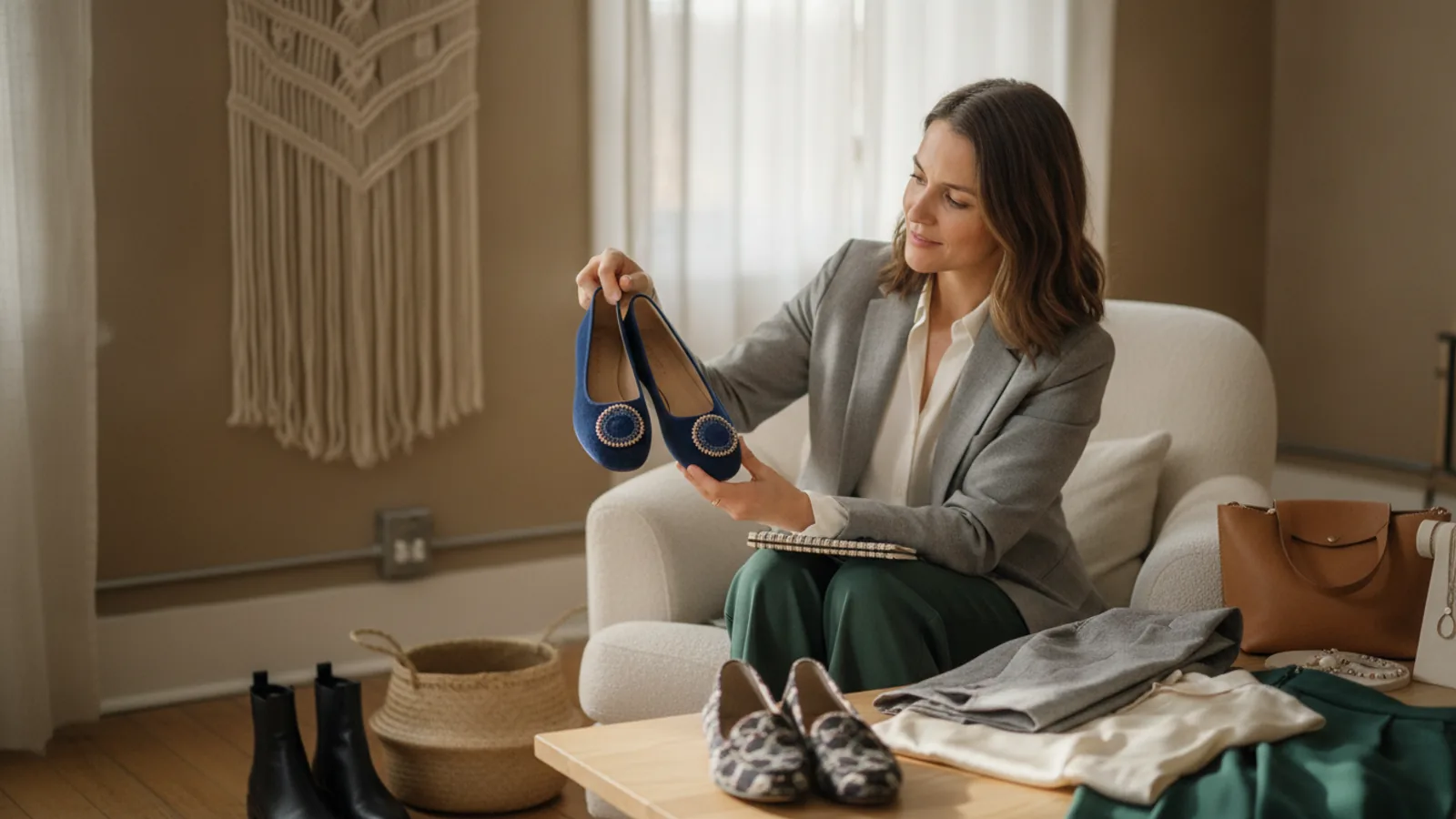
Now that you know what you have, think about what you need for different warm-weather activities. Make a list: shoes for everyday walking, for dressy occasions, for outdoor activities like hiking or gardening, and for beach or pool areas. Compare your kept shoes to this list. If you have no casual sneakers for walking, that is a gap. If you have no closed-toe shoes for cooler days or light rain, that is another gap. Prioritize the gaps based on your lifestyle: if you walk to work, a comfortable pair of walking shoes is essential. If you attend outdoor events, a dressier sandal or loafer might be needed. Do not buy shoes just because they are on sale; buy them because they fill a specific need in your wardrobe. This ensures that every pair you add gets used and earns its space.
Maintain and Rotate Your Shoes for Longer Life
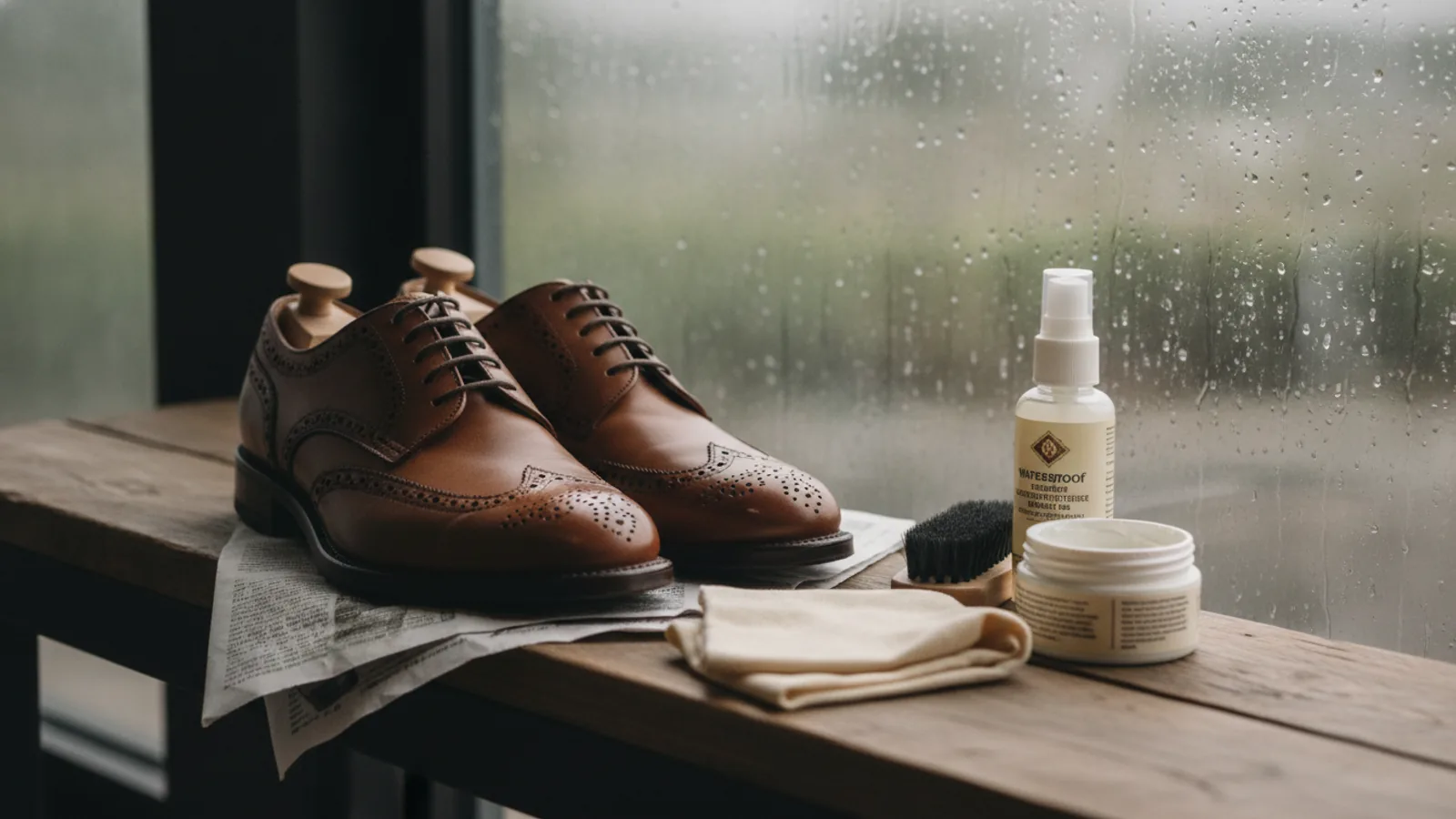
Once you have your final selection, set up a simple rotation system. Do not wear the same pair two days in a row; give each shoe at least 24 hours to air out and recover. Use a shoe tree or stuff them with newspaper to help them keep their shape and absorb moisture. At the end of each day, clean off any dust or dirt with a soft brush or cloth. For leather shoes, apply a conditioner every few weeks. For sneakers, you can wash the laces and insoles as needed. Check the soles monthly for wear and have any loose stitching repaired early. Rotating your shoes prevents them from breaking down too quickly because the materials get a chance to rest. This routine keeps your warm-season shoes looking good and functioning well, so you get more wear out of them.
Quick Reference
| Situation | Action | Why it helps |
|---|---|---|
| You are going to a casual outdoor party and need comfortable yet stylish footwear. | Choose a pair of leather or suede loafers with a cushioned insole and a low heel, and wear thin no-show socks to prevent blisters. | Loafers offer a polished look while providing enough support for standing and walking on grass, and the breathable material keeps your feet cool. |
| You plan to do a lot of walking in a city, possibly on uneven sidewalks and in light rain. | Wear a pair of lightweight, closed-toe sneakers with a rubber sole that has deep treads, and treat them with a water-repellent spray. | Good tread gives you traction on wet surfaces, and a closed-toe design protects your toes from bumps, while the breathable upper prevents overheating. |
| You are heading to a beach or pool and want footwear that can get wet and dry quickly. | Pick a pair of slide sandals with a thick, cushioned sole and a quick-drying strap, and rinse them with fresh water after you leave the beach. | Quick-drying materials prevent odor and rot, and the cushioning protects your feet from hot sand and sharp objects on the shore. |
Common Issues
- Your shoes develop a lingering odor, especially after wearing them in warm weather.: Alternate your shoes daily to let them dry completely, use moisture-wicking socks, and sprinkle baking soda inside the shoes overnight to absorb odors. For machine-washable shoes, wash them on a gentle cycle and air dry.
- The straps on your sandals keep slipping or rubbing against your skin, causing blisters.: Adjust the buckles to a snug fit, but not too tight. Add stick-on heel grips or cushioned pads where the strap rubs. If the strap material is abrasive, try softening it with a leather conditioner or apply a blister balm to your skin.
- Your sneakers wear out quickly on one side, causing you to walk unevenly.: Check if you overpronate (your foot rolls inward) or supinate (rolls outward). Look for shoes with arch support and a sturdier heel counter. You can also try orthotic insoles for better alignment, and consider visiting a podiatrist if the problem persists.
Advanced Tips
- Rotate between at least two pairs of everyday shoes to extend their lifespan and maintain their cushioning.
- Use a waterproofing spray on all fabric and suede shoes before the warm season starts, and reapply it every few weeks.
- Keep an eye on the treads of your shoes; if they are worn down past the first layer, it is time to replace them, even if they still look okay.
Final Checklist
- I have sorted all my warm-season shoes into keep, repair, and replace piles and acted on each pile.
- Every pair I kept fits comfortably, has good traction, and is made of breathable materials.
- I have checked my rotation for gaps and filled them with only necessary, versatile pairs.
- I have set up a simple maintenance routine and I clean my shoes after each wear.
FAQ
How many shoes do I really need for warm weather?
Aim for a small collection of about five to seven pairs that cover your daily needs: a comfortable walking shoe, a casual sneaker, a dressier sandal or loafer, a sporty pair for outdoor activities, and a beach slide. This is enough to rotate and gives you variety without clutter, but adjust based on your lifestyle.
Can I wear socks with sandals and still be trendy?
Yes, you can, but choose no-show or low-cut socks that are barely visible, and make sure they match the color of your sandals. For a fashion-forward look, you might pair sandals with thicker socks, but that is a personal style choice. Just ensure your feet stay comfortable and dry.
What is the best way to clean different shoe materials?
For leather, wipe with a damp cloth and use a leather cleaner; for suede, use a suede brush and avoid water; for canvas, you can spot clean with mild soap and water; for synthetic mesh, a gentle wash with cold water works. Always air dry your shoes away from direct heat.