How To Plan An Easy Workwear Outfit Around Comfortable Flats
A practical step-by-step guide to how to plan an easy workwear outfit around comfortable flats, including preparation, instructions, common issues, tips, and next steps.
How To Plan An Easy Workwear Outfit Around Comfortable Flats
Planning a workwear outfit around comfortable flats starts with choosing a pair that supports your feet and matches your office dress code. Focus on neutral colors and classic shapes, then build a simple, polished look that keeps you at ease from morning meetings to evening commutes. This guide walks you through selecting versatile flats, coordinating them with work-appropriate pieces, and adding practical touches so you feel confident and comfortable all day.
Fast Answer
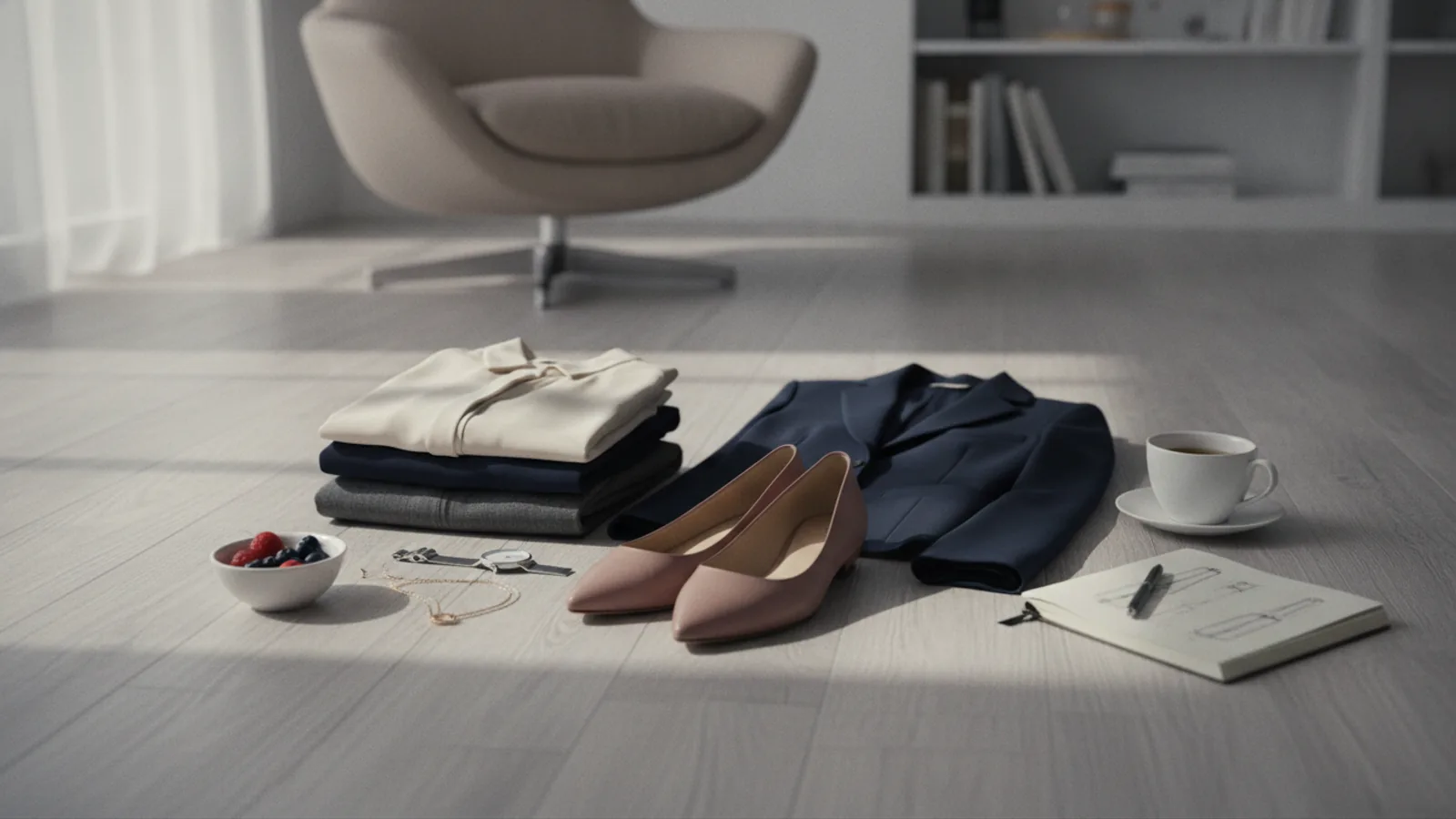
- Pick flats with cushioning and a low profile, such as loafers or ballet flats, in a neutral color like black or nude. Pair them with tailored trousers or a midi skirt and a simple blouse, then add a structured jacket for polish.
- Start with a capsule wardrobe of solid-colored separates that mix easily, then rotate accessories to change the look. Ensure your flats are broken in before a long day, and keep a spare pair of insoles or bandages in your bag for comfort.
Before You Start
- Choose flats that have arch support and a padded footbed. Look for styles with a rounded toe and a flexible sole, as these reduce pressure on the ball of your foot and prevent slipping.
- Consider the dress code at your workplace. If formal, select leather loafers; for smart-casual, knitted or fabric flats work well. Always check if your office allows open-toe or peep-toe styles.
- Test your flats at home for at least an hour. Walk on carpet and hard floors to check for rubbing, slipping, or discomfort. If you feel any pinch, consider a half-size up or a wider fit.
- Plan your outfit around the color of your flats. Neutral shades like beige, black, or navy go with most workwear, while a bold color can be a statement. Coordinate so your shoes don’t clash with your bottoms or tights.
Step-by-Step Instructions
Select Foot-Friendly Flats
Begin by choosing flats that prioritize comfort. Look for features like a cushioned insole, a low heel (about one to two centimeters), and a flexible outsole. Test the shoe by bending it at the ball of the foot—it should flex easily. Also, check that the heel counter (the back part) is firm to provide stability. When trying on, wear the socks or tights you plan to use. Walk around the store for at least five minutes to feel how they move. A good rule is to have about a thumb’s width of space between your longest toe and the shoe’s end to prevent pinching. Comfortable flats are the foundation of your outfit, so invest time in finding a pair that supports your arch and toes. This initial step ensures you avoid pain later and sets a solid base for the rest of your workday.
Match Flats to Your Work Dress Code
Once you have your flats, consider your office’s dress code. For a business formal environment, choose classic leather loafers or pointed-toe flats in black, brown, or navy. For a smart-casual setting, you can opt for fabric flats, patterns, or metallic accents. Observe what your colleagues wear to gauge the norm. If you are unsure, err on the side of formality—e.g., a simple black flat is always safe. Also, think about the season: in cooler months, darker colors like burgundy or forest green work; in summer, lighter shades like beige or blush. The goal is to make your shoes blend seamlessly with your outfit, not stand out awkwardly. A correct match ensures you look professional and confident, which can positively affect how others perceive you at work.
Build a Neutral Capsule for Easy Pairing
Create a small wardrobe of core work pieces in neutral colors that easily mix and match with your flats. Include items like black or gray tailored trousers, a navy pencil skirt, a white button-down shirt, and a blazer. These basics work with any neutral flat, so you can dress without stress. For variety, add one or two colored or textured pieces like a silk blouse in blush or a knit sweater in camel. When planning an outfit, start with your flats, then choose bottoms that either match or contrast subtly. For example, black flats pair with any bottom, while nude flats elongate the leg. This capsule approach saves decision time in the morning and ensures you always have a polished look. By keeping your palette simple, you also reduce the risk of clashing colors.
Layer for Comfort and Polish
Add layers to your outfit that provide both warmth and style, but also complement your flats. A tailored blazer instantly makes any outfit office-ready, while a cardigan or a structured coat can work in cooler months. When layering, keep proportions in mind: if you wear a loose top, balance it with fitted trousers; if your bottoms are wide-leg, choose a fitted top. Also, consider the weight of your layers—lightweight knits are easier to carry if you remove them. Because flats have less insulation than boots, you may need thicker socks in winter; choose seamless socks that don’t bunch. Layering allows you to adjust to indoor heating or outdoor chill without sacrificing style, and it helps you maintain a comfortable body temperature throughout the day.
Accessorize to Elevate the Look
Accessories can transform a simple flats-based outfit from plain to polished. Choose a structured handbag, a simple necklace, or a silk scarf to add interest near your face, drawing the eye upward. Be careful not to overload; one or two accessories are enough. For example, a classic watch and a tote bag give a professional vibe. When wearing flats, your ankles and feet are more visible, so ensure your toenails are neat if you wear open-toe styles, or choose matching socks or tights that compliment the shoe. A belt at your waist can define your silhouette, especially with trousers or a skirt. These little details show attention to grooming and help you feel confident, which in turn affects your posture and presence at work.
Prepare for Comfort Throughout the Day
Finally, plan for all-day comfort by carrying a few essentials. Keep a small pouch in your desk or bag with bandages, blister blockers, and an extra pair of low-cut socks. Take short breaks to stretch your ankles and feet, especially if you sit for long hours—flex and point your toes to increase circulation. If your feet tend to swell later in the day, as many people’s do, consider buying flats half a size up or opting for stretchable materials. Also, rotate between two pairs of flats during the week to give each pair time to air and retain its shape. At the end of the day, remove your shoes, gently massage your arches, and moisturize to keep feet healthy. These small actions ensure that your feet stay comfortable, and you avoid fatigue or injury, allowing you to focus on your work rather than your footwear.
Quick Reference
| Situation | Action | Why it helps |
|---|---|---|
| You have a last-minute meeting and your outfit feels plain. | Add a printed silk scarf and switch your plain tote for a structured leather bag, then roll up your sleeves to look more dynamic. | These simple additions create visual interest and a professional polish without changing your base outfit. |
| Your new flats rub your heel during the first hour at work. | Immediately apply a blister bandage and rub a little balm or petroleum jelly over the heel area, then flex your toes lightly. | Protecting the irritated spot right away prevents a painful blister from forming and lets you continue comfortably. |
| You realize your outfit is too casual for an unexpected client visit. | Throw on a blazer and swap any flat that looks too sporty for a pair of leather loafers or ballet flats with a pointed toe. | A structured jacket and more tailored shoes elevate the entire look, making it appropriate for meeting clients. |
Common Issues
- Flats cause the backs of your ankles to blister.: Break in new flats gradually by wearing them around the house for short periods. Apply a bandage or a special anti-blister balm to the heel area before wearing. Also, check for rough seams inside and smooth them with a heel liner or moleskin.
- Your feet slide out of slip-on flats.: Choose flats with a deeper cut or an elasticized opening to hold your heel snugly. You can also use stick-on heel grips or gel insoles that add friction. Ensure your size is correct; too large shoes cause slipping.
- Flats make your feet ache by the end of the day.: Opt for flats with arch support and a cushioned insole. Replace the insole with a supportive one if needed. Take breaks to stretch, and alternate with a pair of dressier shoes like low wedges to give your feet a change.
Advanced Tips
- Choose flats with a slight heel (1-2 cm) rather than completely flat; this reduces strain on your Achilles tendon and improves posture.
- Invest in moisture-wicking socks or use foot powder to keep feet dry, which minimizes friction and odor even in synthetic materials.
- When selecting flats, look for a flexible sole that twists easily; this indicates less rigidity and often better foot freedom.
Final Checklist
- Are your flats broken in and comfortable for at least six hours of wear?
- Does your outfit comply with your office dress code, especially regarding footwear?
- Have you added at least one polished accessory, such as a blazer or watch, to elevate the look?
- Do you have a blister kit and an extra pair of socks or tights in your desk in case of an issue?
FAQ
Can I wear ballet flats with a formal suit?
Yes, but choose a pointed-toe flat in quality leather, like black or nude, to keep the look sleek. Avoid overly casual materials like canvas. Pair them with tailored trousers or a pencil skirt, and ensure your suit fits well. Ballet flats can work if your office accepts them, but for formal events, you might prefer a low heel. Check what others wear.
What is the best way to break in a new pair of flats?
Wear them for short intervals at home, about 30 minutes to an hour each day, for a week. Use thick socks to stretch the leather. If they still feel tight, gently use a shoe stretcher. Focus on the heel and toe areas. Additionally, apply a leather conditioner to soften material. Avoid wearing them for a full workday until they feel comfortable.
How can I keep flats from slipping off when I walk?
Try a smaller size or choose a style with an adjustable strap. Use heel grips inside the shoe to create a snug fit. Alternatively, apply foot powder to reduce friction, but that may make them looser. A thin insole can help hold your foot in place. If slipping persists, consider a different shape like Mary Janes or a lace-up flat.