How To Plan A Shoe Wardrobe That Works Across A Warm Season
A practical step-by-step guide to how to plan a shoe wardrobe that works across a warm season, including preparation, instructions, common issues, tips, and next steps.
How To Plan A Shoe Wardrobe That Works Across A Warm Season
Planning a shoe wardrobe for a warm season involves assessing your daily activities, choosing versatile styles, and prioritizing materials that keep your feet comfortable in heat and humidity. This guide helps you build a functional collection that covers work, casual, and active needs while remaining easy to maintain and store.
Fast Answer
- Start by listing your typical weekly activities and note which outfits you wear most often, then pick shoe styles that match those settings and can be mixed with several outfits.
- Focus on breathable materials like canvas, leather, and knit mesh, and choose neutral colors and classic silhouettes so each pair works with multiple looks and lasts through the season.
Before You Start
- Track what you wear for two weeks during warm weather, writing down each day's activities and the shoes you actually used, so you see patterns and gaps rather than guessing.
- Check the condition of your existing shoes: look at tread wear, soles, straps, and stitching, and decide which ones can be repaired or refreshed and which must be replaced.
- Take stock of your regular wardrobe colors and dress codes, because your shoe choices should complement at least three outfits to earn a place in your closet.
- Measure your feet in the afternoon when they are slightly swollen, and note any arch support or cushioning preferences you have learned from past discomfort, so you shop or plan with accurate sizing.
Step-by-Step Instructions
List Your Warm-Season Activities and Dress Codes
Begin by writing down every type of day you have during warm months: workdays, weekends, errands, casual outings, and any active events like walking tours, outdoor concerts, or light sports. For each day, note the typical dress code, such as business casual, smart casual, or relaxed, and estimate how many hours you will be on your feet. This gives you a clear picture of how many shoe categories you need, for example, a dressier pair for work, a comfortable everyday sneaker, and a pair for sporty activities. Once you have your list, rank the activities by how often they occur, because that tells you which shoe types deserve the most budget and attention. A practical check is to count how many distinct outfits you could pair with each proposed shoe, aiming for at least three outfits per pair, so you avoid buying single-use styles. This matters because a shoe wardrobe works only when each pair earns its place by being useful and versatile, not just attractive.
Set Your Core Shoe Categories and Count
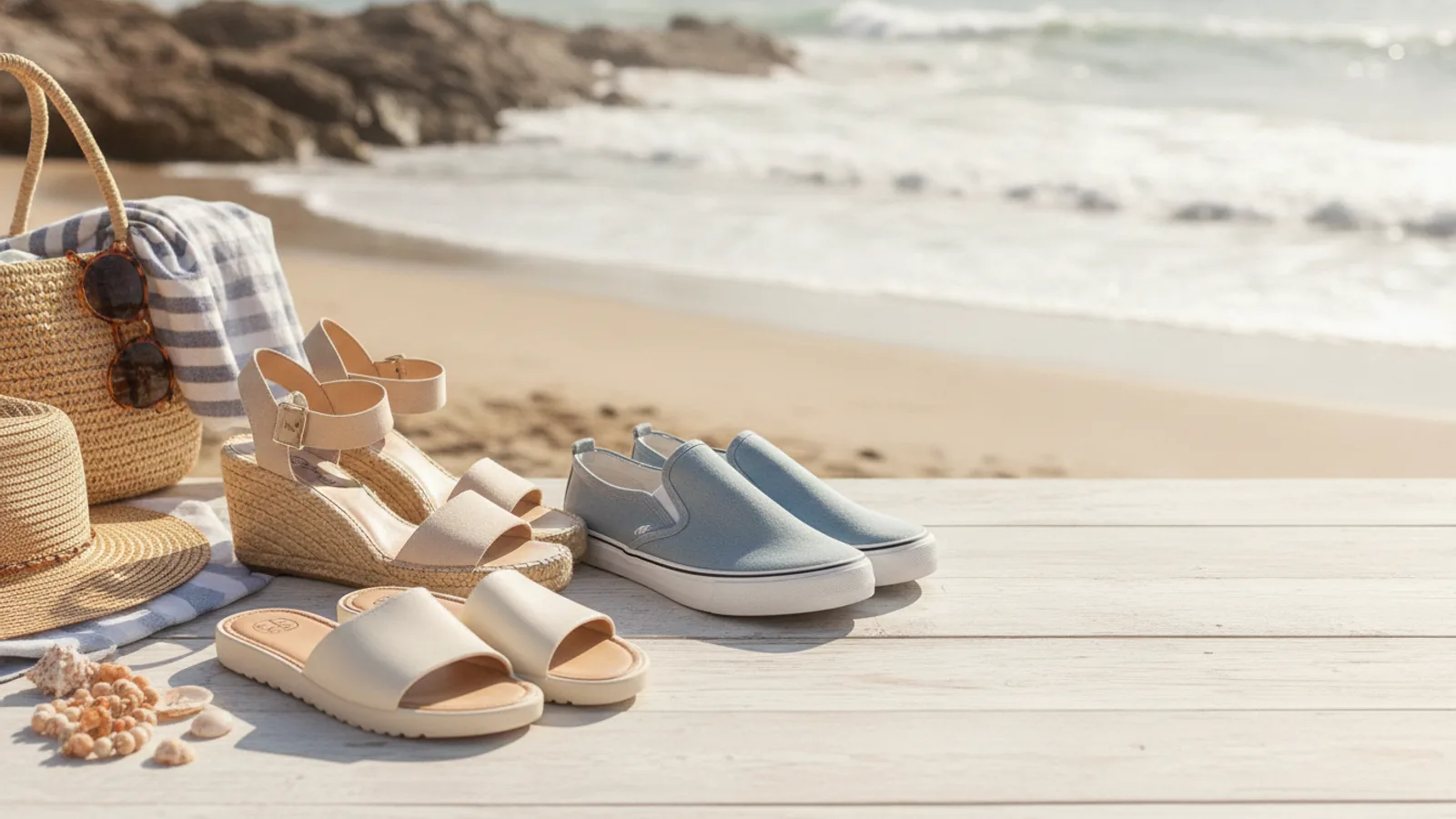
Based on your activity list, decide on the categories you truly need. Most people do well with five to eight pairs: a polished flat or low heel for dressier events, a comfortable walking sneaker for everyday, a sporty pair for active hours, a sandal for hot and casual days, and perhaps a waterproof option for rain. Write down each category and give it a slot in your wardrobe, but be honest about what you actually use. For each category, set a maximum count, for instance, no more than two pairs of casual sneakers, to control clutter. A practical check is to imagine your busiest week and see if these categories cover every planned activity, then adjust if you notice a missing type like a gym shoe or a garden shoe. This matters because a shoe wardrobe works best with a balanced mix that covers your real life, not with many similar pairs that leave you unprepared for one occasion.
Choose Breathable Materials and Good Construction
When you shop or plan to buy, give strong preference to materials that let air move, such as canvas, leather, suede, or modern knit mesh, and avoid thick synthetic linings that trap heat and cause sweaty feet. Look for shoes with cushioned insoles, flexible soles, and sturdy stitching, because these details affect comfort and lifespan. A practical check is to press your thumb into the insole and sole; they should give slightly but spring back, and the upper should not pinch any part of your foot. Also, bend the shoe at the toe to see if it moves naturally with your stride, which prevents blisters and foot strain. This matters because warm season comfort depends on airflow and proper support, and poor construction leads to pain or injury that could ruin your plans. Investing in quality materials and workmanship means a longer-lasting wardrobe that serves you through many seasons.
Decide on Versatile Colors and Styles
For each shoe slot you have defined, choose colors that will work with several outfits in your existing wardrobe. Start with neutrals like white, beige, tan, navy, or black, and then add one accent color only if you know it will match repeatedly. Versatile styles include classic sneakers, ankle boots, loafers, or simple canvas shoes, which can be dressed up or down depending on the outfit. A practical check is to take three different outfits from your closet and mentally pair each shoe with them; if all three feel like good matches, that shoe is worth adding, but if it only works with one outfit, reconsider. This matters because you want a wardrobe where every pair gets used at least twice a week, and having too many difficult-to-match shoes leaves you reaching for the same two pairs all the time. Simple, timeless designs also make it easier to replace a worn pair because you can find similar styles in the future.
Fit in a Trial and Care Routine
Before you commit to a new pair for your wardrobe, it is wise to wear them around your home for a few hours, for example in the evening, to test for pressure points or slipping. Walk on different floors like carpet, tile, and outdoor pavement to see how they behave. Also, plan a simple care routine from day one: wipe off dirt after each wear, allow shoes to air out completely before storing, and protect materials with appropriate sprays or conditioners as needed. A practical check is to inspect the inside heel and toe after a week of regular wear to see if there is excessive wear or stretching, which tells you if the shoe fits correctly or needs a different size. This matters because a shoe that fits well and is maintained will last longer and stay comfortable, saving you money and preventing foot issues. Regular care also keeps your wardrobe looking presentable so you are always ready to go out.
Purge and Store Your Final Shoe Collection
After you have chosen your ideal pairs, go through your current collection and remove any shoes that are uncomfortable, worn out, or that you have not worn in over a year. Donate usable pairs or recycle them if possible, and throw away heavily damaged ones. Then, organize your final collection in a way that you can see all options, for example, on a shelf or in clear boxes, so you can make quick choices. A practical check is to count your final pairs and compare that to your initial plan; if you have more than twice your target number, you likely still have too many non-versatile shoes. This matters because a tidy, well-selected wardrobe saves you time each morning and ensures you actually use all your shoes, preventing you from buying duplicates or forgetting what you own. Proper storage also protects shoes from dust and sunlight, extending their usability.
Quick Reference
| Situation | Action | Why it helps |
|---|---|---|
| You have an outdoor business lunch on a hot day, and you are not sure which shoes to wear. | Wear a pair of low-heeled leather or suede loafers in a neutral color like tan or navy that match your work trousers and also allow your feet to breathe. | Loafers provide a polished look for professional settings while being more breathable than enclosed dress shoes, and the neutral color pairs with many outfits. |
| You are planning a long walking day in the city and want to avoid hurting your feet. | Choose a well-cushioned walking sneaker that you have already broken in, and bring a small blister-plaster or moleskin in your bag just in case. | A broken-in sneaker gives you support and reduces friction, and having blister protection means you can continue comfortably if rubs start. |
| You need to attend an evening dinner but also walk from the parking lot on rough pavement. | Wear dressier sandals with a supportive sole and a back strap, or ankle boots with a low block heel, and avoid flimsy flip-flops. | These options give you a dressy look while offering stability and protection on uneven ground, preventing slips and discomfort. |
Common Issues
- Your feet swell in the heat, and shoes feel tight by the end of the day.: Shop for shoes in the afternoon when feet are naturally larger, and choose styles with adjustable straps or stretchable materials like canvas or knit that give a little. Also, consider buying half a size up if you are between sizes.
- You buy shoes that look good but cause blisters because they rub against your heel or toes.: Try shoes on with the exact socks you plan to wear, and walk around the store for at least a few minutes. If there is any immediate rubbing, look for a different style, because shoes do not usually stretch significantly where they hurt.
- You have many shoes but still feel like you have nothing to wear because they do not match your outfits.: Take a photo of your shoe collection and lay out your most-worn outfits, then compare colors. Get rid of any shoes that match only one outfit, and replace them with solid neutral or metallic options that blend with multiple items.
Advanced Tips
- Consider having a shoe repair shop add non-slip sole caps or rubber pads to leather-soled shoes for better grip on hot pavement and longer sole life.
- Use cedar shoe trees in leather shoes after each wearing to absorb moisture, preserve shape, and reduce odor, which is especially helpful in warm humid weather.
- If you often walk on grass or gravel, keep a pair of old sneakers exclusively for outdoor chores and gardening, so your nicer shoes stay clean and last longer.
Final Checklist
- Make a list of your weekly activities and identify at least three distinct shoe categories that you genuinely need.
- Choose shoe colors (neutrals) that you can pair with at least three outfits each, and aim for a maximum of one accent color per shoe.
- Test each shoe for fit and comfort in the afternoon, and walk on different surfaces to ensure no rubbing or slipping.
- Set up a storage system that keeps your warm-season shoes visible and organized, and plan to rotate pairs to let them air out.
FAQ
How many pairs of shoes do I really need for a warm season?
Most people only need between five and eight pairs, depending on their lifestyle. Start with one dressy pair, one everyday sneaker, one sporty pair, one casual sandal, and one water-resistant option. Add more only if you find a specific need for a different type, like a pair for hiking or a formal event, but try to keep your collection manageable so you actually wear everything.
What are the best materials for summer shoes?
Breathable materials like canvas, soft leather, suede, and mesh knits allow air to circulate and reduce sweating. Avoid thick synthetic linings that trap heat. For soles, look for flexible rubber or synthetic compounds that provide good traction on warm pavement. Also, consider insoles that wick moisture, and if you tend to have sweaty feet, choose shoes with two-part construction that allow airflow.
How can I make my summer shoes last longer?
Rotate your shoes so you do not wear the same pair every day, which gives them time to air out and recover their shape. Clean them after each wear, especially after dusty or sweaty days, and apply protective sprays as recommended for the material. Store them in a cool, dry place away from direct sunlight, and use shoe trees for leather styles to maintain their form.