How To Choose Packing Shoes For A Short Coastal Trip
A practical step-by-step guide to how to choose packing shoes for a short coastal trip, including preparation, instructions, common issues, tips, and next steps.
How To Choose Packing Shoes For A Short Coastal Trip
This guide helps you choose the right shoes for a short coastal trip, balancing comfort, safety, and versatility. It covers essential considerations like terrain, weather, and activities, offering practical steps from assessing your needs to breaking in your shoes. With tips on packing, care, and quick fixes for common issues, you'll be prepared for sandy beaches, rocky paths, and wet conditions without overpacking.
Fast Answer
- Prioritize shoes that are comfortable, quick-drying, and have good grip for mixed coastal terrain.
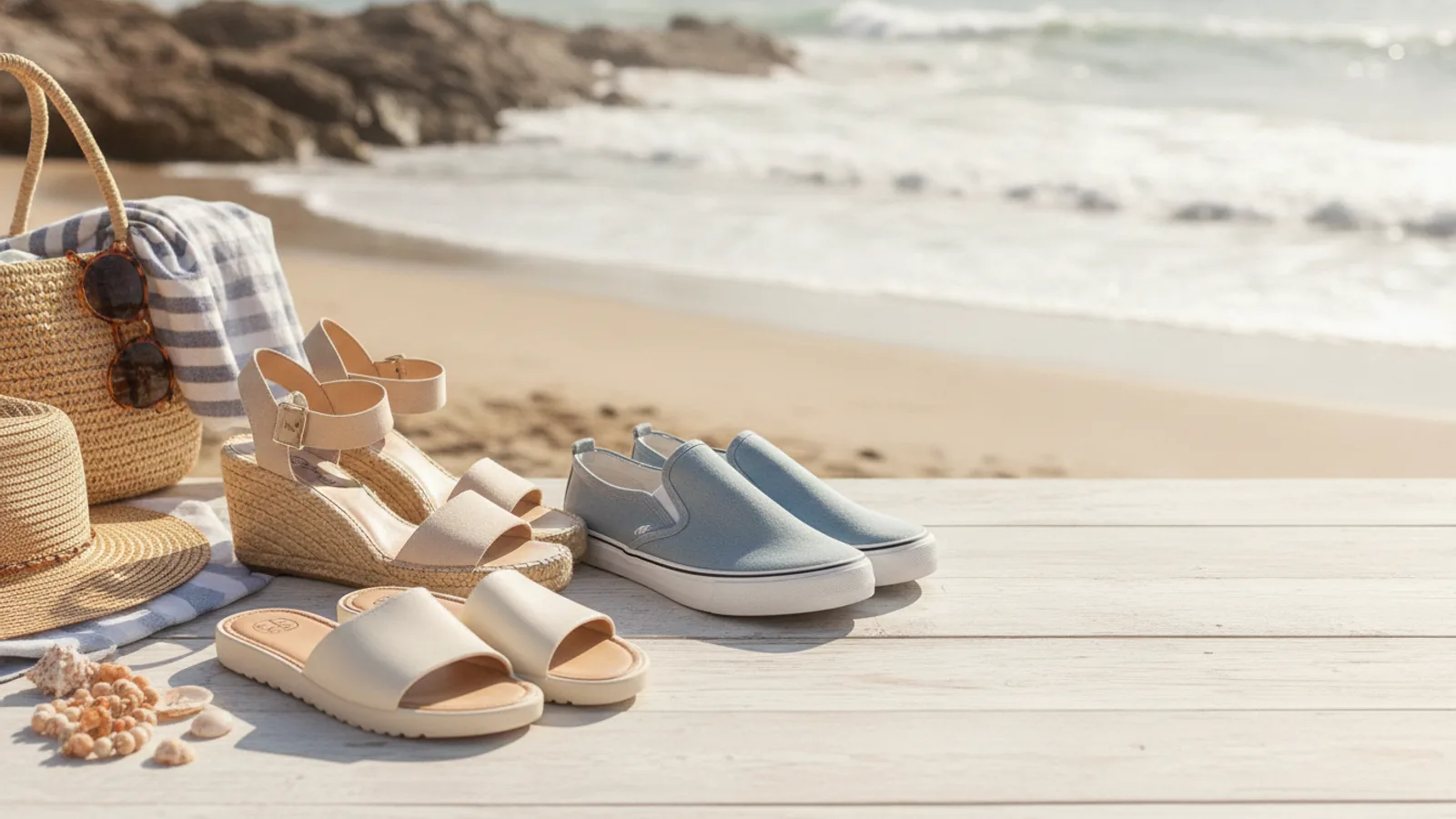
- Choose one pair of versatile shoes like waterproof sneakers or sandals with arch support, and pair them with lightweight flip-flops for beach lounging.
Before You Start
- Think about your planned activities: walking on sand, hiking rocky trails, or just relaxing on the beach.
- Check the coastal weather forecast for your trip dates to anticipate wet or windy conditions.
- Consider the surfaces you'll encounter: sand, rocks, wet boardwalks, or paved paths.
- Review any existing foot issues or overuse injuries that might affect your shoe choice.
Step-by-Step Instructions
Assess your trip's specific activities and terrain
Start by listing the planned activities for your coastal trip, whether it involves long beach walks, hiking to a lighthouse, or dining at waterfront restaurants. Each activity demands different shoe features: sandals for casual beach strolling, sturdy shoes with good tread for rocky paths, and water-friendly shoes for kayaking or paddleboarding. Examine the terrain you'll encounter—soft sand, pebbly shores, or slick boardwalks—and note if any area might be muddy or slippery. This assessment forms the basis of your decision, ensuring you pack shoes that match your actual experiences, not generic guesses. By matching shoes to your itinerary, you avoid bringing inappropriate footwear that could cause discomfort or limit your activities. Take a moment to write down your top three activities and the likely surface for each, then use that list to guide your choices in the next steps.
Understand key shoe features for coastal conditions
Familiarize yourself with essential features that make a shoe suitable for coastal environments. Look for quick-drying materials like mesh or synthetic blends that don't stay soggy after a dip in the ocean or a sudden rain shower. A strong, non-slip sole is critical for slippery rocks and wet boat decks—check the tread pattern to ensure it provides good traction on both dry and wet surfaces. Consider shoes with drainage ports or those that shed water easily, as they prevent constant dampness and discomfort. Additionally, arch support and cushioning are important because walking on sand can be surprisingly tiring on your feet and ankles. Breathability is another key factor, especially in warm weather, to prevent overheating and excessive sweating. Understanding these features helps you evaluate any shoe you pick up, ensuring you don't settle for stylish but functionally poor options. This knowledge is your first line of defense against blisters, slips, and soaked feet that can ruin a coastal vacation.
Choose your primary walking shoe
Decide on a primary pair of shoes that will handle the majority of your walking and standing. Ideal candidates are lightweight water shoes, sport sandals with secure straps, or waterproof sneakers. The shoe should fit snugly but not tightly, with about a thumb's width of space in the toe box to prevent blisters on descents and on long walks. Check that the shoes have adjustable closures, like laces or Velcro straps, so you can fine-tune the fit if your feet swell from heat or activity. Test the sole's flexibility by bending the shoe—it should bend where your foot naturally does, at the ball, not awkwardly in the middle. Also, ensure the heel counter (the part that wraps your heel) is firm to prevent lateral movement and potential ankle rolls on uneven ground. This primary shoe will be your go-to for daily excursions, so it must be dependable and comfortable for hours of wear. Once chosen, wear them around your house for short periods to confirm they feel right before packing.
Consider a secondary shoe for specific situations
While a primary shoe is essential, a secondary pair is often worth the space for specific situations. For instance, a pair of lightweight flip-flops is perfect for short walks to the beach, quick trips to the shower at campsites, or strolling in the evening when you want your feet to cool down. If your trip involves formal dining or a special evening out, you might need a dressier pair, but keep them compact and remove bulky boxes to save space. Another option is a pair of roomy, breathable water shoes for kayaking or snorkeling to protect your feet from sharp rocks and sea urchins. Assess if the extra weight and space are justified by the benefits—often, a simple pair of flip-flops is ideal because they are nearly weightless and can be stored in side pockets. However, don't overdo it; remember that you can often buy cheap footwear at your destination if you truly need it, but that may not be budget- or time-friendly. Choose a secondary shoe that fills a distinct gap that your primary shoe cannot cover, such as open sandals for maximum freedom or closed toes for protection.
Pack socks and consider foot care items
Even for a coastal trip, socks can be essential, especially if you're hiking or wearing sneakers. Choose moisture-wicking socks made of synthetic fibers or wool, not cotton, because cotton holds water and increases the risk of blisters. Pack at least two or three pairs if you plan on multiple days of activity, and consider thin socks for warm days and thicker ones for cooler mornings. In addition, pack a small foot-care kit containing blister bandages, talcum powder or an anti-chafing balm, and maybe a small nail brush for sand removal. This kit can be a lifesaver when you get a piece of sand stuck in a blister or need to soothe tired, gritty feet. To keep your main shoes fresh, bring a mesh bag for the damp pair and a separate bag for clean items. Also, consider a pair of wool socks if you plan to walk around the hotel room or use them as slippers. Proper sock selection reduces friction, keeps your feet dry, and extends the comfort of your chosen footwear throughout the day.
Break in your shoes and do a final fit check
Never board a plane or hop in a car wearing brand-new shoes without breaking them in first. For at least a week before departure, wear your chosen shoes around the house, on short walks, or even to work. This process allows the materials to soften, and you'll discover any pressure points or spots that might rub. If you feel any discomfort, consider using a shoe stretcher or wearing thick socks with the shoes to gently widen them. A few days before leaving, do a final fitting: walk on different surfaces—carpet, tile, pavement—and simulate your likely activities. Check that your toes don't hit the front of the shoe when walking down an incline, and that your heel doesn't slip excessively. Also, confirm that the shoes are comfortable with the socks you intend to wear. If you experience any persistent pain, it's better to switch to a different pair now rather than gambling on your trip. A comfortable, well-fitted shoe is the cornerstone of an enjoyable coastal trip, allowing you to focus on the scenery and experiences.
Quick Reference
| Situation | Action | Why it helps |
|---|---|---|
| On a sandy beach and want to walk long distances without discomfort | Wear lightweight, quick-drying shoes with arch support and closed toes, and let your feet breathe by taking them off periodically. | Sand shifts under your feet, requiring extra effort; shoes with support prevent fatigue and protect from sharp objects like shells. |
| Hiking a rocky coastal trail with steep sections | Put on sturdy shoes with deep tread, ankle support, and a rigid sole for stability, and keep them laced comfortably but firmly. | Rocks and uneven terrain increase the risk of ankle sprains; good traction and support reduce slipping and twisting injuries. |
| You step into sea water or get caught in a sudden rain shower | Rinse your shoes in fresh water if possible, wring out excess moisture, and air-dry them in a shaded, breezy spot. | Salt water and prolonged dampness degrade shoe materials and cause odors; rinsing and drying extend the life and comfort of your shoes. |
Common Issues
- Blisters develop on your heels or toes after a long walk: Stop immediately, clean the area, cover with a blister bandage, and apply a moisturizing balm or talcum powder before continuing. For prevention, use anti-chafing balm before you start walking and ensure shoes are fully broken in.
- Shoes feel slippery on wet rocks or boardwalks: Check the sole's tread pattern before buying—look for shallow, wide channels that channel water away. If you're already on the trip, consider adding a slip-resistant sole adhesive or use them only on dry surfaces.
- Odor from damp shoes after a day at the beach: Dry them thoroughly before wearing again, using crumpled newspaper inside overnight to absorb moisture and odor. Also, sprinkle baking soda inside (let sit) and knock out the residue. Choose socks that wick moisture to minimize dampness.
Advanced Tips
- Use moisture-wicking insoles in your primary shoes and swap them out every couple of days to keep feet dry and reduce odor.
- Pack a small waterproof shoe bag to isolate wet, sandy shoes from the rest of your luggage.
- Consider two pairs of comfortable, versatile shoes: one open (sandals) and one closed (water shoes) to cover most coastal activities.
Final Checklist
- Confirm each shoe has a non-slip sole and supports your arch for long walks.
- Ensure your shoes fit well in thickness of socks you plan to wear.
- Have a pair that can get wet and dry quickly, like mesh or rubber sandals.
- Are your shoes broken-in and comfortable for at least two hours of walking?
FAQ
Can I just wear flip-flops for everything on a coastal trip?
Flip-flops are great for beach lounging and quick trips, but they lack arch support and stability for long walks, especially on uneven or rocky terrain. For activities like hiking, you need shoes with a secure strap and good grip. Even walking on soft sand for extended periods can strain your feet because your toes grip for balance. So, bring a pair of supportive walking shoes as your primary choice and keep flip-flops as a secondary, occasional option.
What if my shoes get soaked by sea water?
First, rinse them in fresh water to remove salt, as salt crystals can dry into abrasive particles that damage materials and cause blisters. Then, stuff them with newspaper or a dry towel to absorb moisture, and let them air dry in a well-ventilated area away from direct sunlight, which can crack leather or fade colors. Avoid using a dryer or heater, as heat can warp the shape. You can also wear them while wringing out excess water, but be careful on wet surfaces because the sole might be slippery.
Should I bring a separate pair of shoes for the beach and for hiking?
It's often wise to bring two pairs: one pair of quick-drying water shoes or sandals for the beach, and a more robust, closed-toe shoe for hiking or exploring craggy coasts. The wet shoes will keep sand out and protect your feet from sharp shell fragments, while the hiking shoes offer better traction and ankle support on trails. If you only want one pair, choose a versatile hybrid: a sport sandal with good grip and arch support, but note that it might not provide enough ankle support for vigorous hikes.