Common Mistakes When Planning An Easy Workwear Outfit Around Comfortable Flats
A practical step-by-step guide to common mistakes when planning an easy workwear outfit around comfortable flats, including preparation, instructions, common issues, tips, and next steps.
Common Mistakes When Planning An Easy Workwear Outfit Around Comfortable Flats
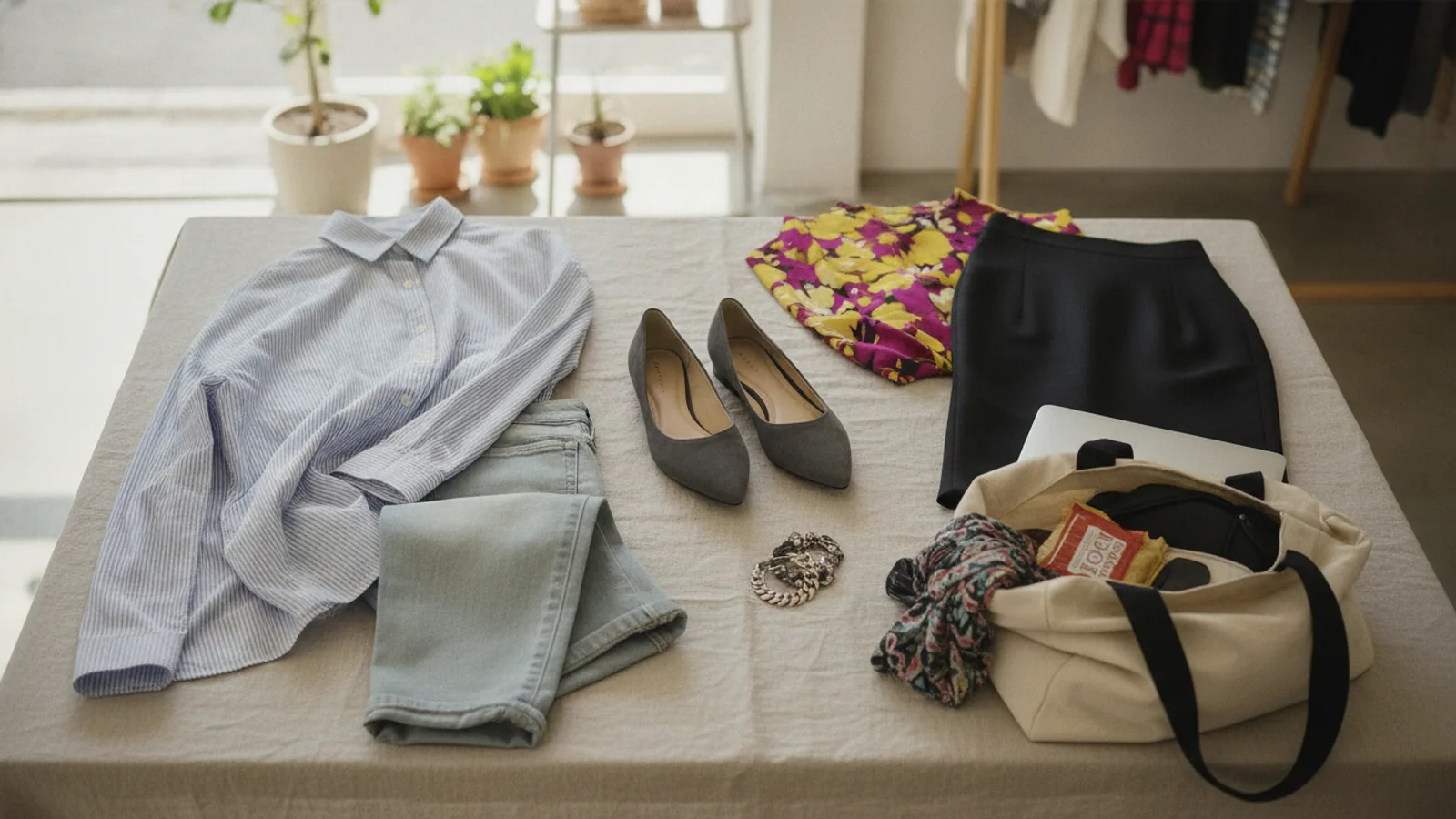
Planning an easy workwear outfit around comfortable flats requires attention to proportions, fit, and practicality. Many people make simple mistakes such as choosing flats with poor support, ignoring the trouser length, or overlooking the overall silhouette. This guide highlights common pitfalls and provides clear, actionable steps to help you create polished, comfortable outfits that work for your daily commute and office environment, ensuring you look professional while feeling at ease.
Fast Answer
- Focus on fit and proportion: pair slim-fit trousers with pointed flats for a streamlined look, or wide-leg pants with more substantial flats to avoid tripping.
- Choose comfort features wisely: look for cushioned insoles, adjustable straps, and a low heel; always test flats with the exact socks or hosiery you will wear.
Before You Start
- Take a moment to examine the shape and heel height of your flats; a slight wedge or platform can offer more support than a completely flat sole, especially for long days.
- Check the sole: flexible, non-slip soles with a bit of tread reduce foot fatigue and help prevent slips on smooth office floors or rainy sidewalks.
- Select your trousers with the flats in mind; hem length is crucial—trousers that are too long can bunch at the ankle, while too short can break the line of the leg.
- Before you finalize, stand in front of a full-length mirror and move: sit, walk, and turn to see how the outfit behaves in motion, not just when standing still.
Step-by-Step Instructions
Evaluate Your Flats for Support and Fit
Start by looking at your flats as a working tool, not just a fashion item. Check the insole: it should have some cushioning or arch support, and if it is paper-thin, you can replace it with an over-the-counter supportive insole. Also, consider the sole: a rubber or textured sole gives better traction and absorbs shock better than a smooth leather one. Examine the shape of the shoe: does it pinch your toes or slip at the heel? The right flat should hug your foot without causing any pressure points. Consider the material—soft leather or suede stretches over time, while synthetic materials may not. Remember that a 'break-in' period is normal with leather, but a shoe should feel comfortable from the first wear. If you plan to stand or walk a lot, look for flats with a slight heel or platform, as they reduce the strain on your Achilles tendon and calf muscles. Finally, try them on with the same type of socks or tights you will wear at work, because the thickness affects the fit and your comfort.
Match Trousers to Your Flats for a Seamless Line
Once you have comfortable flats, the next step is to coordinate your trousers. The goal is a smooth, unbroken line from your waist to your feet. For pointed flats, which elongate the leg, choose straight-leg or slim-fit trousers that are hemmed to graze the top of the shoe without bunching. For round-toe flats, which are more casual, opt for cropped trousers that show a bit of ankle, or wide-leg pants that fall straight over the shoe. The trousers should not drag on the floor, as this creates a sloppy look and also risks tripping. A common mistake is wearing bootcut or flared trousers with flats—these are designed for heels and will drag at the back. In a formal office, keep your trouser length at a 'full break' or 'no break' (meaning the hem just touches the shoe and does not gather). For a more relaxed environment, you can choose a 'half break' with a slight fold. To test, stand straight and look in the mirror: the hem should lightly brush the top of your foot, not puddle on the floor.
Create a Balanced Silhouette with Proper Proportions
Effortless style comes from balance. With flats, your legs appear shorter than with heels, so your outfit should visually elongate your body. If you wear wide-leg trousers, pair them with a fitted top or a tucked-in blouse to avoid looking shapeless. Conversely, if you wear skinny or slim-fit trousers, you can balance them with a slightly looser top, but avoid tops that are too baggy, as they can make you look disheveled. A long blazer or structured cardigan over a slim-fit outfit creates a lengthening effect, as it draws the eye vertically. When choosing a dress or skirt, keep the hemline at or above the knee to show more leg, and pair it with flats that have a slightly pointed toe to add length. If you wear a maxi skirt with flats, choose a style that is not too full, and ensure the hem is above the ground to avoid tripping. Always pay attention to how the outfit looks from behind as well, because your silhouette is not just about the front view.
Coordinate Colors and Textures to Hide Flaws
Colors can either enhance or ruin your outfit, especially when you are wearing flats. A common mistake is breaking your vertical line with contrasting colors at the awkward point of your ankle. To create an elongated effect, match your flats to your trouser or skin tone. For example, if you wear navy trousers, opt for navy or dark-colored flats to create a continuous line. Nude flats with a similar shade to your skin can visually extend your legs, especially with a skirt or dress. On the other hand, if you want to make a statement with colorful flats, do so intentionally—wear them with cropped trousers or a skirt to draw attention down to your feet, but ensure the color complements your outfit rather than clashing. Textures also play a role: matte flats are more subtle than shiny ones, and they can be more appropriate for conservative offices. Wear textured fabrics like tweed or suede with flats to add depth, but keep the rest of the outfit simpler to avoid visual chaos.
Plan for the Day with Comfort and Practicality in Mind
An easy outfit is one that works for your entire day, not just the commute. Consider your schedule: will you be walking long distances, standing at a desk, or rushing between meetings? If you have a long commute, bring a pair of walking shoes and change into your flats at the office—this preserves the life of your flats and your feet. If you are on your feet all day, think about rotating shoes with different arch shapes to prevent fatigue. Another practical aspect is the weather: if there is a chance of rain, choose flats with a non-slip sole and waterproof material, or carry an umbrella. Also, think about the activities you will do: if you have to climb stairs frequently, choose flats with a flexible sole that allows your foot to bend naturally. Test your outfit by doing a few squats and walking around your home in it to see if it restricts movement. Comfort is not just about the shoes; it also involves how easy the outfit is to maintain—wrinkle-free fabrics and machine-washable items can save you time.
Accessorize to Polish the Look without Overdoing It
Accessories can elevate an outfit, but they can also ruin it if overdone. With flats, the focus is often on the legs and feet, so avoid heavy or anklet-type jewelry that can draw attention to the ankle in an unflattering way. Instead, use a statement watch, a scarf, or a structured bag to add polish. A belt at the waist can break the line and shorten your torso, so be cautious with belts if you are wearing high-waisted trousers; instead, choose a top that fits well without needing a belt. When it comes to jewelry, keep it minimal and elegant—a simple necklace or earrings can complete the look without overwhelming it. Remember that your flats are part of your accessories; if they have a buckle or shiny detail, let that be the focal point and keep other accessories simple. Also, consider your personal comfort: if you are not used to wearing certain accessories, they can be a distraction, so only incorporate pieces you feel confident in.
Quick Reference
| Situation | Action | Why it helps |
|---|---|---|
| When you are wearing flat shoes with wide-leg trousers and you are worried about seeming frumpy. | Choose a slim-fit top or tuck your shirt in, and add a structured blazer to define your waist. Ensure the trouser hem is at least half an inch above the floor so the flats peek out and you avoid tripping. | This creates a balanced silhouette with a defined waist and visually elongates your legs, keeping the wide-leg look stylish on lower heels. |
| If your flats have no arch support and you have a long day of walking or standing ahead. | Swap the original insoles for orthotic inserts that match the shape of your foot. Also, carry a small tube of blister balm in your bag and apply it to your heels and toes before the pain starts. | Insoles add necessary cushioning and arch support, which reduces foot fatigue and prevents pain that could ruin your day. |
| When you have an important meeting and you want to look sharp in flats, but you are used to heels. | Pick a pointed-toe flat that closely matches your skin tone or the color of your trousers. Wear a cuffed trouser or a cropped length to show a little ankle, and ensure your posture is upright to add confidence. | A pointed toe and matched color create a long, straight line from hip to toe, mimicking the effect of heels, while a confident posture makes you appear authoritative. |
Common Issues
- Trousers that are too long and drag on the ground, getting dirty or causing you to trip.: Take them to a tailor to have them hemmed to a length that just touches the top of your flats without bunching. If you cannot tailor, try cuffing them, but cuffs should be neat and consistent in width.
- Flats that slip off your heels when walking, causing blisters and an unprofessional gait.: Use adhesive heel grips at the back of the shoe, or try simple no-show socks with a silicone grip. If the flats are too loose overall, consider adding a light foam insole under the ball of your foot to hold your foot more securely.
- Your feet ache by midday because your flats are too thin and lack support.: Invest in a pair of cushioned, arch-supporting insoles that you can transfer between flats. Also, rotate your shoes: do not wear the same pair two days in a row to give them time to regain shape.
Advanced Tips
- Master the 'toe cleavage' rule: with pointed flats, your toes should not be visibly squished; choose a size that allows slight room for the toes to move freely, reducing pain and unsightly bulges.
- Experiment with sock styling: for a modern, work-appropriate look with cropped trousers, wear thin, no-show socks in a matching color, or choose a pair of sheer-toe tights that blend with the shoe.
- Consider the shape of your foot when buying flats: if you have wide feet, avoid very narrow styles and look for almond or round toes; if you have long toes, avoid ultra-skinny points that can irritate.
Final Checklist
- My flats have adequate support, a non-slip sole, and fit securely on my feet without causing pain.
- My trousers are hemmed to the correct length for my flats, creating a smooth line without bunching or dragging.
- My outfit is balanced with proper proportions, colors, and textures that flatter my body and minimize any fashion slip-ups.
- I have planned for the day's activities and weather, and I have access to comfort items like insoles, bandages, or a backup pair of shoes if needed.
FAQ
Can I wear athletic-style flats to a formal office?
Generally, no, unless your office has a very relaxed dress code. Athletic flats often have a sporty look that can clash with formal business wear. If you need extra comfort, look for ballet flats or loafers that are designed with athletic technology, such as cushioned footbeds, but maintain a sleek silhouette. Alternatively, keep a pair of formal flats at your desk and change into them after commuting in athletic shoes.
How do I prevent my tan or nude flats from looking dirty quickly?
Nude flats are prone to showing scuffs and stains. To keep them clean, apply a protective spray made for the material (leather or suede) before wearing. Wipe them down gently after each use with a soft cloth. Also, avoid wearing them on wet or muddy days unless they are treated for water resistance. Rotating your footwear helps them last longer and stay cleaner.
Are pointed-toe flats more professional than round-toe flats?
Pointed-toe flats tend to look more polished and formal, making them a safer choice for professional environments. They also elongate the leg, which can make you feel more put-together. Round-toe flats can appear more casual, but they are perfectly fine for less formal offices. The key is to ensure that whatever shape you choose fits well and is kept in good condition.