Common Mistakes When Planning A Shoe Wardrobe That Works Across A Warm Season
A practical step-by-step guide to common mistakes when planning a shoe wardrobe that works across a warm season, including preparation, instructions, common issues, tips, and next steps.
Common Mistakes When Planning A Shoe Wardrobe That Works Across A Warm Season
Planning a warm-weather shoe wardrobe often fails because people focus on fashion instead of function, leading to uncomfortable feet. This guide helps you avoid common mistakes by prioritizing support, breathability, and versatile styles. You will learn to assess your daily activities, choose the right materials, and build a capsule collection that serves you all season.
Fast Answer
- Start by analyzing your weekly activities to determine which shoe types you truly need, rather than buying trendy styles that you rarely wear.
- Focus on breathable materials like canvas or leather with cushioned insoles to keep your feet comfortable in heat, and rotate shoes to let them air out.
Before You Start
- List your typical weekly activities, such as work, workouts, casual outings, and any special events, to identify the shoe categories required.
- Examine your current shoes for wear patterns and signs of breakdown, like uneven soles or stretched uppers, to know what needs replacing.
- Study your foot shape and any previous issues like bunions or plantar fasciitis so you can look for specific support features.
- Decide on a color palette that matches most of your warm-season clothes, making it easier to mix and match shoes with outfits.
Step-by-Step Instructions
Audit Your Real Footwear Needs
Take a blank sheet of paper and divide it into seven columns, one for each day of the week. In each column, write the main activities you do that day: work, exercise, errands, social events, or relaxation. After a week, count how many days you need a specific type of shoe, such as athletic sneakers, walking sandals, or dressy flats. This simple log reveals your true requirements, and you will likely see that you need only a few versatile pairs. For example, if you go to the gym three days a week, you need athletic shoes; if you work in an office five days, you need comfortable work-appropriate footwear. The check is to see if any style appears only once or twice; if so, you can skip it and instead rent or borrow for rare occasions. This matters because it prevents impulse buys that end up sitting in your closet, saving you money and reducing clutter. A realistic audit is the foundation of a practical wardrobe.
Prioritize Support and Cushioning
When you try on shoes, press the insole with your thumb to feel how much cushioning it has. A supportive footbed should spring back slightly and not feel like hard cardboard. For high-heeled sandals, check if the arch area is shaped to support your foot’s curve, not just a flat sole. Bend the shoe near the toe; it should flex at the ball of the foot, not in the middle, which indicates poor construction. Also, squeeze the heel counter (the part around your heel) to see if it is firm; a flimsy heel counter allows excessive movement. The practical check is to walk around the store for at least five minutes; if your feet start to ache, that pair fails. This check matters because insufficient support can cause plantar fasciitis, heel spurs, and knee problems, especially when you walk on hot pavement that is unforgiving on joints. Choose styles with removable insoles so you can insert custom orthotics if needed. Your feet work hard all day, so give them a solid foundation.
Choose Breathable Materials
In warm weather, your feet sweat more, so the upper material of your shoes should allow air to circulate. Look for natural materials like leather, canvas, or breathable knits. Avoid synthetic plastics and thick rubber that trap heat and moisture. For example, a pair of leather sandals with an open toe and adjustable straps will keep your feet cooler than a synthetic, closed-toe shoe. Also, consider the liner: some shoes have a moisture-wicking textile inside that helps pull sweat away from your skin. A simple test is to hold the shoe up to your mouth and blow air through the material; if you feel resistance, it is not very breathable. The check is to examine the shoe’s construction: does it have mesh panels, perforations, or open areas? If not, it may lead to sweaty, smelly feet and potential fungal infections. Breathable shoes also dry faster if they get wet, which is an advantage during surprise summer showers. Prioritize airflow to stay comfortable and healthy.
Test Fit for All-Day Wear
Feet swell during the day, especially in hot weather, so always try on shoes in the late afternoon or evening. Wear the type of socks you plan to use, or go barefoot if you will wear sandals without socks. Walk around the store on different surfaces, like carpet and tile, to feel the grip and stability. Check that your toes have enough room to wiggle and that your heel does not slip when you walk. A good rule is to have a thumb’s width of space between your longest toe and the end of the shoe. The check is to walk briskly and then stop suddenly; your toes should not slide forward. This matters because a too-tight shoe can cause blisters, corns, and ingrown toenails, while a too-loose shoe can lead to instability and falls. Since your feet may swell more in summer, buy shoes that have a bit of extra room, but not so much that your foot slides. Remember that different brands have different sizing, so always rely on the fit, not the number on the box.
Build a Versatile Capsule Collection
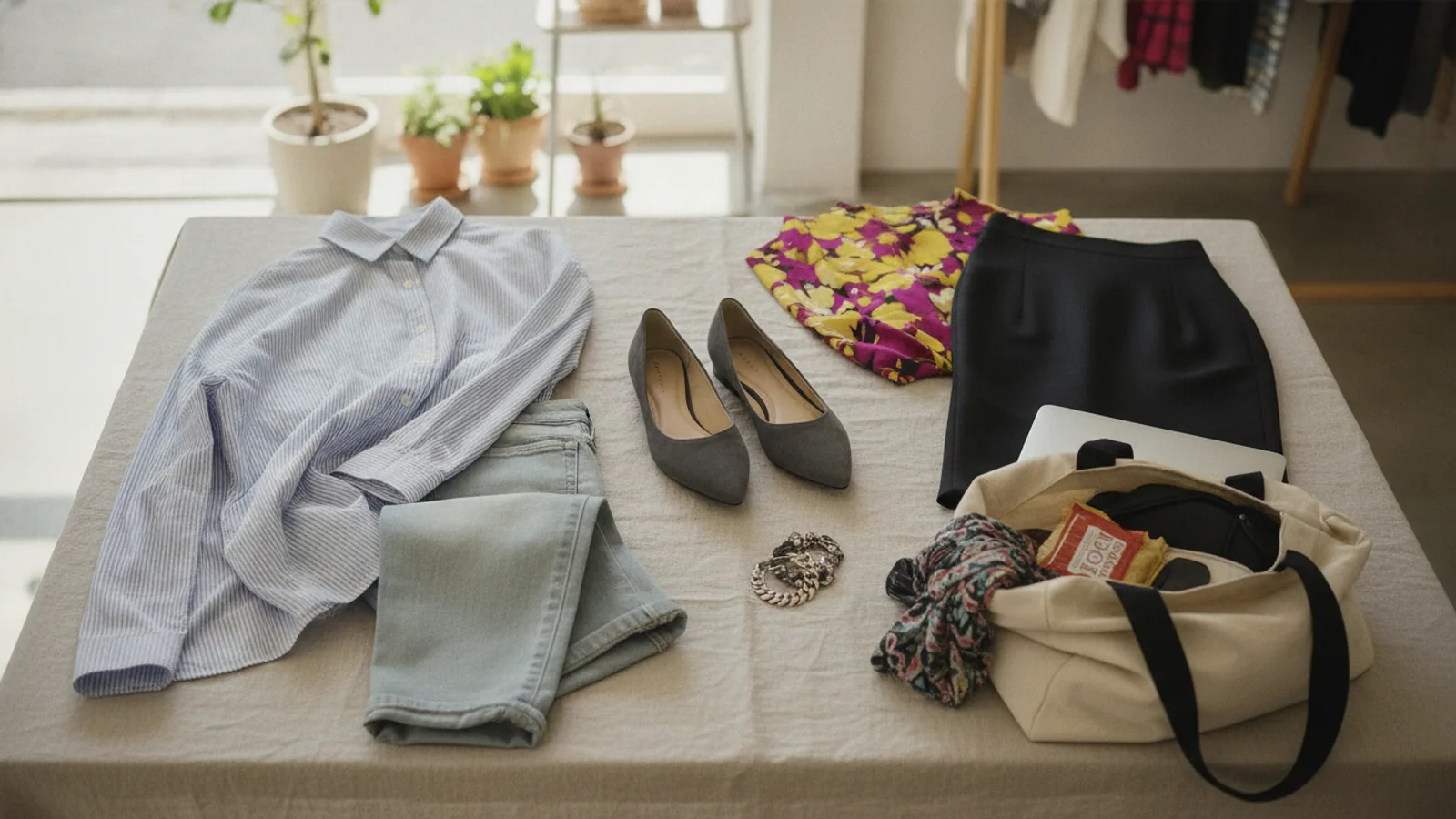
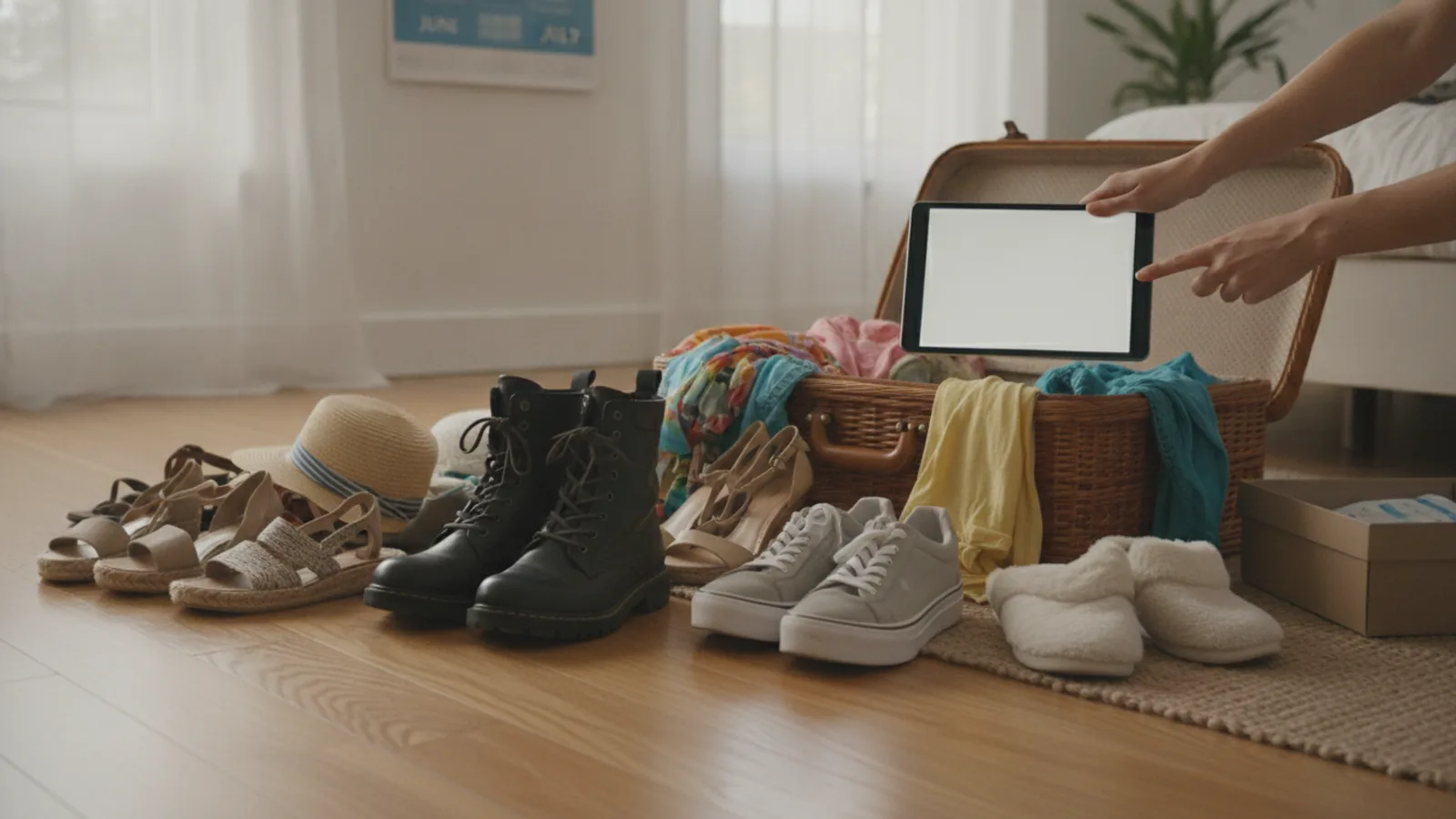
Aim for a small number of shoes that can mix with many outfits. A functional warm-weather capsule could include: a pair of comfortable walking sneakers, a pair of dressier sandals for evenings, a pair of athletic shoes for sports, and perhaps a pair of waterproof flats for sudden rain. Choose neutral colors like beige, navy, or black to match everything, and avoid overly ornate designs that limit pairing. The check is to think of at least three different outfits each pair could complement. For example, walk-in sneakers can go with jeans, shorts, and even a casual dress. This matters because versatile shoes reduce the pressure to buy more, and they simplify your morning routine. Avoid buying shoes that only suit one specific outfit; they tend to gather dust. When you are shopping, ask yourself: can I wear this with at least three items already in my closet? If not, reconsider. A capsule wardrobe is practical and cost-effective.
Plan for Rotation and Recovery
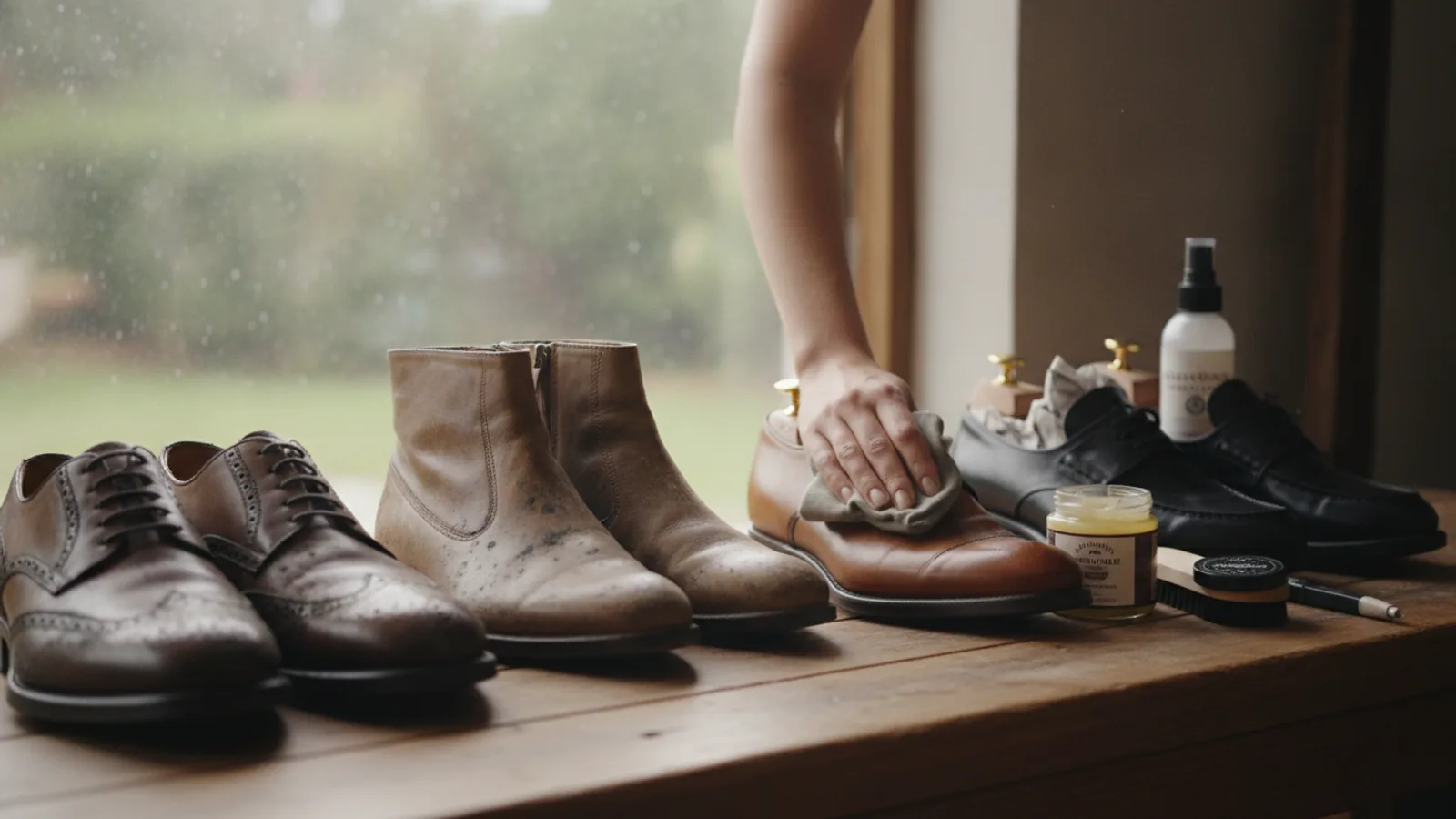
Do not wear the same pair of shoes two days in a row. Rotating allows each pair to air out and retain its shape, which extends their lifespan. Designate a shoe rack or shelf where you can store pairs with space between them, not crammed together. For closed shoes, keep cedar shoe trees or crumpled newspaper inside to absorb moisture. The check is to have a weekly schedule: for instance, wear sneakers on Monday, sandals on Tuesday, sneakers again on Wednesday, and so on. This matters because moisture trapped in shoes leads to odor, bacteria, and breakdown of materials. Also, inspect your shoes regularly for signs of wear, like worn soles or loose stitching, and address small repairs before they become big problems. At the end of the week, give your most-used pair a day off. This habit keeps your feet comfortable and your shoes lasting longer, saving you money in the long run. A little care goes a long way in warm weather.
Quick Reference
| Situation | Action | Why it helps |
|---|---|---|
| You are buying sandals for a vacation that involves lots of walking. | Choose sandals with arch support, a contoured footbed, and adjustable straps, and break them in before you travel. | Walking long distances in unsupportive sandals causes foot fatigue and pain, ruining your trip. |
| Your current athletic shoes are two years old and you run three times a week. | Replace them with new running shoes that match your foot type and gait, and check the soles for uneven wear. | Worn-out shoes lose cushioning and stability, increasing the risk of injuries like shin splints. |
| You have a special event and want stylish heels, but you need to be on your feet for several hours. | Opt for block heels or low wedges with a cushioned insole, and take a pair of foldable flats for later. | High thin heels put excessive pressure on the balls of your feet, causing pain and potential foot damage. |
Common Issues
- Blisters on heels from new shoes: Use a blister-prevention balm or friction-reducing patches on the areas that rub. Gradually break in the shoes over several days, wearing them for short periods first.
- Sweaty, smelly feet from wearing shoes without socks: Choose shoes with moisture-wicking linings or apply foot powder. Let shoes dry completely between wears and alternate pairs.
- Shoes that are uncomfortable after a few hours of wear: Look for shoes with removable insoles and replace them with cushioned or orthotic insoles. Also, consider if the shoe size or width is right; have your foot measured.
Advanced Tips
- Rotate three pairs of shoes daily to allow them to air and recover, which reduces moisture and odor, and prolongs the life of the shoes.
- Invest in a waterproofing spray for leather and canvas shoes so they resist moisture and stains, but test it on a small area first.
- When traveling, pack lightweight, packable shoes like foldable flats or espadrilles to save space and reduce luggage weight.
Final Checklist
- Audit your weekly activities and list the shoe types you actually need.
- Check each shoe for cushioning, arch support, and breathable material.
- Try on shoes in the late afternoon and walk around to test comfort.
- Create a rotation schedule and store shoes properly to air them out.
FAQ
What is the most important factor when buying summer shoes?
Support and comfort are most important because your feet will be under stress from heat and walking. Look for contoured footbeds, arch support, and breathable materials. A stylish shoe that causes pain is not worth wearing; you will end up miserable. Always prioritize fit and function over trend.
How many pairs of shoes do I need for a warm season?
You really only need about four to six versatile pairs: walking sneakers, athletic shoes, dressy sandals, casual flats, and maybe waterproof options. Focus on neutral colors that match your wardrobe. A small, high-quality collection is better than a large one filled with uncomfortable, unworn shoes.
Can I wear sandals if I need arch support?
Yes, because many sandals are designed with built-in arch support. Look for styles that have a contoured footbed, a heel cup, and adjustable straps. If you need extra support, you can add custom orthotics, but make sure the sandal has a removable insole. Never settle for flat, unsupportive flip-flops for extended walking.