An Easy Workwear Outfit Around Comfortable Flats Checklist For First Time Readers
A practical step-by-step guide to an easy workwear outfit around comfortable flats checklist for first-time readers, including preparation, instructions, common issues, tips, and next steps.
An Easy Workwear Outfit Around Comfortable Flats Checklist For First Time Readers
This guide helps first-time readers build a comfortable workwear outfit checklist centered on flats, offering easy steps to create a polished look that supports all-day ease. It covers essential prep, step-by-step assembly, common issues, expert tips, and a final checklist, ensuring a practical approach to dressing well without sacrificing comfort.
Fast Answer
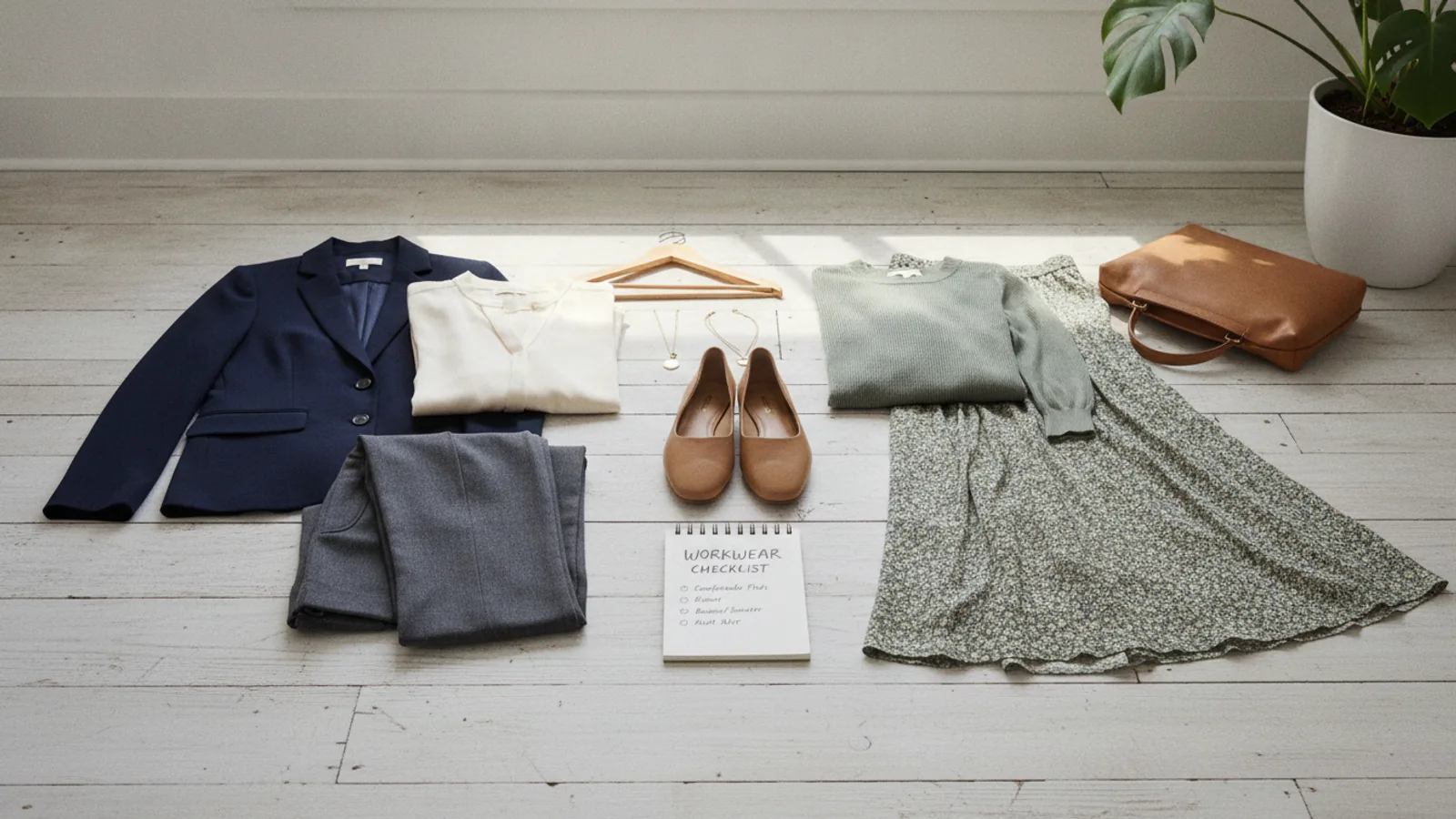
- Choose flat shoes that offer arch support and a cushioned insole, like loafers or ballet flats with a slight heel, and pair them with tailored trousers or a midi skirt for a professional yet comfortable base.
- Layer a simple top under a structured blazer, and keep accessories minimal, so the outfit looks intentional and works from morning meetings to evening events without needing a change.
Before You Start
- Start by reviewing your office dress code to know if jeans are allowed or if chinos and blouses are expected, then plan your flats around that dress code.
- Select a pair of flats that are already broken in, with soft leather or fabric, a flexible sole, and a low heel (under one inch) to ensure comfort throughout the day.
- Gather two or three tops, bottoms, and jackets in neutral colors (black, navy, beige, gray) that mix and match easily, making dressing faster each morning.
- Try on your full outfit at home, walk around for at least ten minutes, and sit down to check that the flats don't slip and the waistband doesn't dig, so you can adjust before wearing it out.
Step-by-Step Instructions
Assess Your Workplace Dress Code and Culture
Before you choose anything, look at your workplace's written dress code and observe what your colleagues wear on a typical weekday. If the environment is formal, plan to wear tailored trousers or a pencil skirt with your flats; if it's business casual, dark jeans or chinos may be fine. The key is to align your outfit with the unwritten rules so you feel confident. Write down the dress code guidelines in a note or on your phone. Then, check your company handbook or intranet for any specific prohibitions, like no open-toe shoes. This step matters because it prevents you from buying or assembling an outfit that might be inappropriate, saving you time and potential embarrassment. Once you know the baseline, you can build your look around it, ensuring your flats and other pieces meet the expected standard.
Choose Comfortable Flats That Meet Professional Standards
Select flats that are not only comfortable but also look polished. Look for closed-toe styles like loafers, ballet flats, or penny loafers in leather or suede, as they tend to read as professional. Check that the sole has some cushioning; you can add over-the-counter insoles later if needed. Ensure the shoe fits well: your heel should not slip when you walk, and your toes should have a little wiggle room. Avoid flats with extremely thin soles or strappy designs that might look too casual. Walk around the store for a few minutes to test them. This step is crucial because your shoes are the foundation of your outfit, and discomfort will distract you all day. A good pair of flats will support your arch and keep your feet stable, reducing fatigue and potential foot pain, which is why this choice takes priority over other wardrobe pieces.
Build the Base: Choose Bottoms That Pair With Flats
Select a bottom that hits at the right length to flatter your flats. Tailored trousers, cropped pants, and knee-length or midi skirts work best. For trousers, the hem should graze the top of your feet without dragging on the ground, so your flats are visible without creating a bunching effect. A slight crop (about an inch above the ankle) can make your legs look longer. If you choose a skirt, ensure it is not too long or too short; a length just above or below the knee is generally professional. Pair dark-colored bottoms with lighter flats or vice versa to create a balanced look. This step matters because the right length and cut of your bottom will keep your outfit looking intentional, while a too-short or too-long hem can make your flats look awkward and even cause tripping. By choosing a bottom that sits well with your flats, you enhance both comfort and style.
Select a Top and Layer for Versatility
Pick a top that is comfortable, breathable, and appropriate for your workplace. A classic button-down shirt, a silk-blend blouse, or a fine-knit sweater are all good choices. Avoid too-tight tops or low necklines. Layer with a cardigan or a blazer for a finish that elevates the look. When you try on the top, raise your arms to ensure it doesn't pull or gape. Also, check that the sleeve length doesn't interfere with your watch or bracelets. This step is important because the right top lays the groundwork for your layers, and a comfortable top will keep you at ease. If the top is too tight, you'll feel restricted; if it's too loose, it might look sloppy. A versatile top that can be dressed up or down will give you more options during the week.
Add Structure With a Jacket or Cardigan
Complete your outfit with a structured layer, such as a blazer, a tailored cardigan, or a longline vest. This step adds polish and can make even a simple outfit look office-ready. Before committing, check that the shoulders of the jacket align with your natural shoulder, and the sleeves end at your wrist bone. unbutton the jacket and sit down to ensure it doesn't bunch up closely. If you're wearing trousers, the jacket should not cover your pockets. Cardigans should be neat and not too bulky. Adding a layer matters because it pulls the whole look together, covering any areas that might feel too casual and giving you a professional silhouette. It also helps you adjust to temperature changes in the office, making you more comfortable throughout the day.
Accessorize Minimally and Do a Final Comfort Check
Finish with simple accessories: a watch, stud earrings, or a sleek belt. Avoid dangling necklaces or bracelets that can be distracting. Then, walk, sit, and stretch in the complete outfit. Ensure your flats stay on securely, your trousers don't ride up, and the top doesn't shift. Check the outfit in a full-length mirror from all angles, and take a photo to see how it looks from behind. This final step matters because it catches any last-minute problems, like a tag showing or a seam that pulls, which could make you self-conscious. By investing time in this check, you guarantee you'll feel at ease, which boosts your confidence and lets you focus on your work rather than your clothes.
Quick Reference
| Situation | Action | Why it helps |
|---|---|---|
| You have to walk long distances during your commute or between meetings | Choose flats with arch support, such as loafers from a brand known for comfort, and add gel insoles if needed. Wear a pair of low-cut socks or no-show socks to prevent friction. | Proper cushioning and support absorb shock, reducing foot fatigue and the risk of blisters, so you arrive feeling fresh. |
| An unexpected dress code says no open-toe shoes, but your favorite flats are open-toe | Keep a pair of closed-toe ballet flats in neutral color (e.g., black or nude) at your desk or in your bag, so you can switch quickly and comply with the policy. | Having a backup means you can stick to the rules without sacrificing comfort or stressing about the situation. |
| You need to stand for most of the day, like at a trade show or networking event | Wear flats with a low heel or a slight platform, and shift your weight from one foot to the other periodically. Use a standing mat if possible, and stretch your calves a few times an hour. | These strategies improve blood flow and reduce pressure on your feet and legs, helping you stay energized and pain-free. |
Common Issues
- Flats slip at the heel when walking, causing blisters and instability: Use heel grips or adhesive pads inside the back of the shoe to create a snugger fit. Alternatively, choose flats with an elastic band or a strap that goes around the heel for extra hold.
- Trousers or skirts are too long, making you trip or look sloppy: Take the hem to a tailor or use hemming tape as a quick fix. Aim for a slight break (fabric just touching the top of the foot) with flats, not bunching or dragging.
- Your feet sweat or feel hot in flats during long workdays: Wear moisture-wicking no-show socks or use foot powder to absorb moisture. Choose flats made of breathable leather or fabric, and rotate shoes every other day to let them air out.
Advanced Tips
- Invest in custom orthotic insoles that fit your foot arch, as they can dramatically improve comfort, even in flats that initially feel thin.
- Create a mini capsule wardrobe of five neutral pieces that all coordinate with your flats, making it easy to mix and match without decision fatigue.
- When ordering flats online, order two sizes (your usual and a half-size up) and return the one that doesn't fit, as sizes vary between brands and styles.
Final Checklist
- Your flats are broken in, with non-slip soles and comfortable arch support that you've tested by walking for at least ten minutes.
- Your bottom piece (trousers or skirt) is hemmed to the correct length for flats, with no dragging or bunching.
- Your top and layering piece fit properly, allowing easy movement, and have no wrinkles or missing buttons.
- You've done a full outfit walk-through, including sitting and standing, and you feel confident and at ease in your look.
FAQ
Can I wear flats if I have to give a presentation?
Absolutely. Flats, especially loafers or ballet flats, are perfectly appropriate for presentations as long as they are clean and polished. To feel more confident, choose a pair with a slight heel for posture, and pair them with a tailored blazer to project professionalism. Practice standing and breathing in your flats to make sure you feel stable.
What color flats are most versatile for a work wardrobe?
Neutral shades like black, nude, beige, gray, and dark brown are the most versatile because they pair with almost any outfit. Nude flats can elongate your legs, while black flats offer a classic, grounding finish. If you want a pop of color, choose a muted tone like burgundy or olive that complements your existing pieces.
How do I keep flats from smelling after daily wear?
To prevent odor, always wear socks or low-cut liners, and rotate your flats so they have time to dry out between wears. Use shoe deodorizer sprays or sprinkle baking soda inside overnight and shake it out the next morning. Also, let shoes air in a well-ventilated area after each use.