A Shoe Wardrobe That Works Across A Warm Season Checklist For First Time Readers
A practical step-by-step guide to a shoe wardrobe that works across a warm season checklist for first-time readers, including preparation, instructions, common issues, tips, and next steps.
A Shoe Wardrobe That Works Across A Warm Season Checklist For First Time Readers
Building a warm-season shoe wardrobe is about choosing versatile, breathable styles that work for various activities and keeping them in good condition. This guide helps first-time readers select a few key pairs, care for them properly, and rotate them to extend their life and comfort. You'll learn how to assess your needs, pick materials that suit hot weather, organize your shoes, and handle common issues like odor and wear. By the end, you'll have a practical, streamlined collection that sees you through the season with confidence.
Fast Answer
- Choose three core shoe types: breathable sneakers for daily wear, comfortable sandals for casual outings, and a pair of smart-casual loafers or espadrilles for slightly dressier occasions. This covers most warm-season scenarios.
- Prioritize natural materials like canvas, leather, or woven fabrics that allow air circulation, and ensure each pair has a secure fit and adequate support for your feet.
Before You Start
- Take stock of your current shoes and identify which ones are suitable for warm weather. Discard or store any that are worn out, uncomfortable, or made of non-breathable materials like thick synthetic rubber or suede that traps heat.
- Think about your typical week: list the activities you do most often in warm weather, such as walking to work, running errands, going to the beach, or attending casual gatherings. This will help you determine which shoe styles you truly need.
- Consider your local climate. If your warm season is humid, prioritize shoes with open uppers or quick-drying materials. If it's dry and hot, opt for light colors and flexible soles that won't get too hot on pavement.
- Plan a budget that allows for two or three quality pairs rather than many cheap ones. Look for sales or off-season deals to get better value without compromising on durability.
Step-by-Step Instructions
Assess Your Daily Needs
Begin by examining your daily routine during warm months. Write down every activity you participate in, from commuting to work or school to weekend outings like hiking or picnics. For each activity, note the surface (pavement, grass, sand) and the duration. Also consider the dress code: some workplaces require closed-toe shoes even in summer, while casual settings allow sandals. Once you have a clear list, categorize the activities into three groups: everyday walking, casual leisure, and more formal occasions. This will help you identify the minimum number of shoe types you need. For example, if you walk a lot on city streets, you'll need a supportive sneaker. If you spend hours at the beach, a water-friendly sandal is essential. By being specific about your needs, you avoid wasting money on shoes that don't fit your lifestyle. The check here is to ensure every activity on your list is covered by at least one shoe type you plan to own. This prevents the frustration of having no suitable footwear for a particular outing. This step matters because it provides a solid foundation for all subsequent choices, ensuring your wardrobe is both practical and efficient.
Choose Breathable Materials
When selecting shoes for warm weather, prioritize materials that allow your feet to breathe. Natural options like canvas, cotton, and leather are excellent because they absorb moisture and let air circulate. Look for linings made of fabric or leather rather than synthetic materials that trap heat. For sandals, choose leather or textile straps instead of plastic. Also consider mesh or knit uppers, which are common in modern athletic shoes and provide superior ventilation. Avoid shoes with thick rubber or plastic coatings, especially on the upper, as they can cause your feet to sweat excessively. In terms of soles, choose ones that are flexible yet provide cushioning; rubber or EVA foam are good choices, but ensure they are not too thick, as that can insulate heat. A practical check is to hold the shoe up to a light source to see if light passes through the upper, indicating breathability. Another check is to feel the inside of the shoe; it should be smooth and not have any plastic or rubber linings. This step matters because the right materials prevent blisters, odor, and general discomfort, making your shoes last longer and your feet stay healthier in hot weather.
Pick Three Versatile Styles
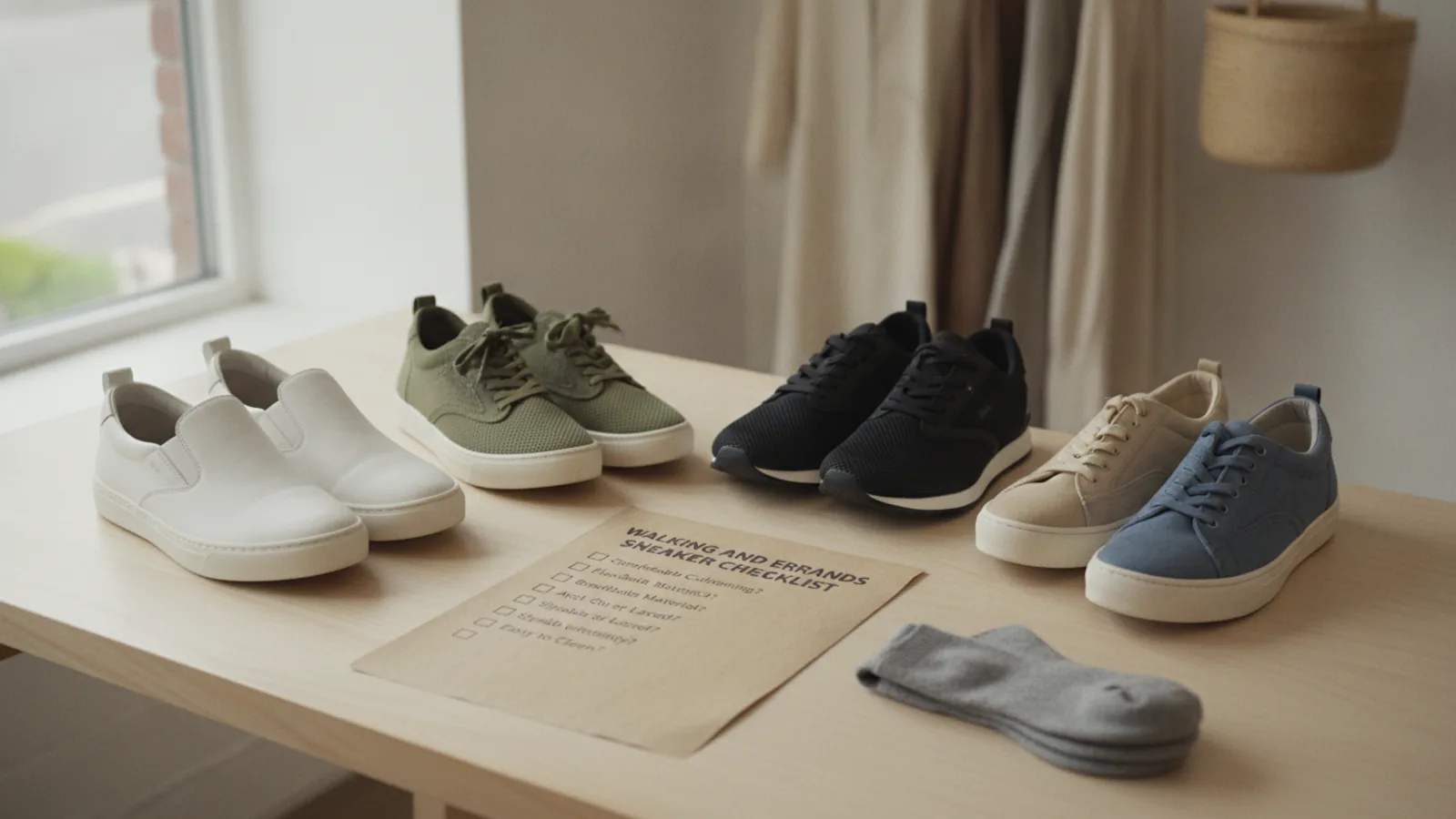
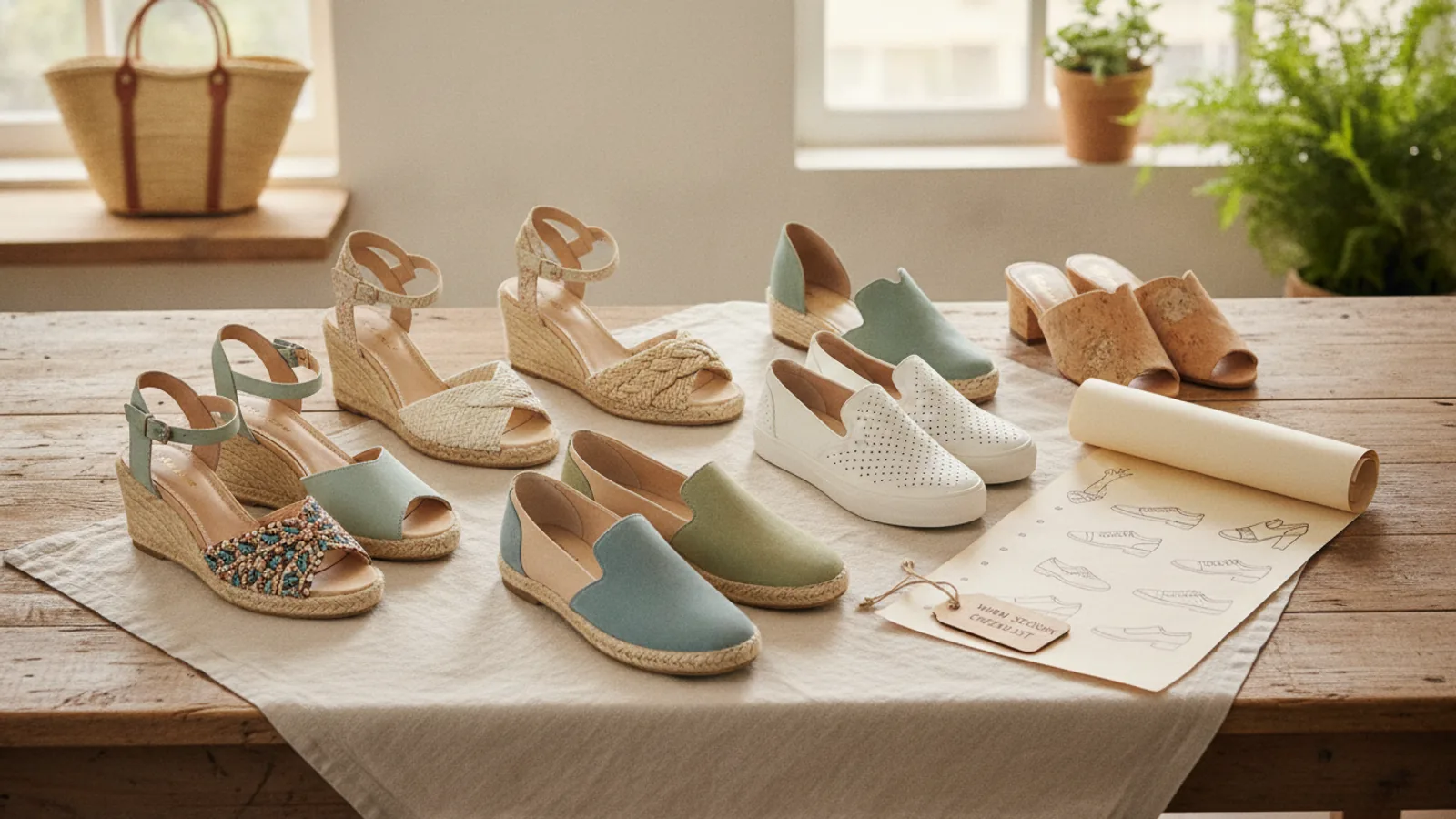
Based on your needs, select three core shoe styles that can handle most situations. A good starting trio includes: (1) A pair of breathable, supportive sneakers for walking, errands, and any casual or semi-casual outing. Choose a neutral color like white, beige, or navy to match many outfits. (2) A pair of comfortable sandals with adjustable straps for warm, casual days, beach trips, or quick walks. Look for options with arch support and a grippy sole. (3) A pair of smarter shoes such as loafers, boat shoes, or espadrilles that can be worn with chinos, lightweight trousers, or sundresses for dinners or work events. These should also be breathable and comfortable. While you might be tempted to buy more, sticking to three well-chosen pairs ensures you rotate them enough to extend their lifespan and reduce clutter. A practical check is to confirm that each pair can be paired with at least three different outfits you already own. Also, verify that each shoe is comfortable for at least a few hours of wear, as you'll be using them often. This step matters because having a versatile core prevents you from constantly buying new shoes and helps you master the art of mixing and matching.
Ensure Proper Fit and Support
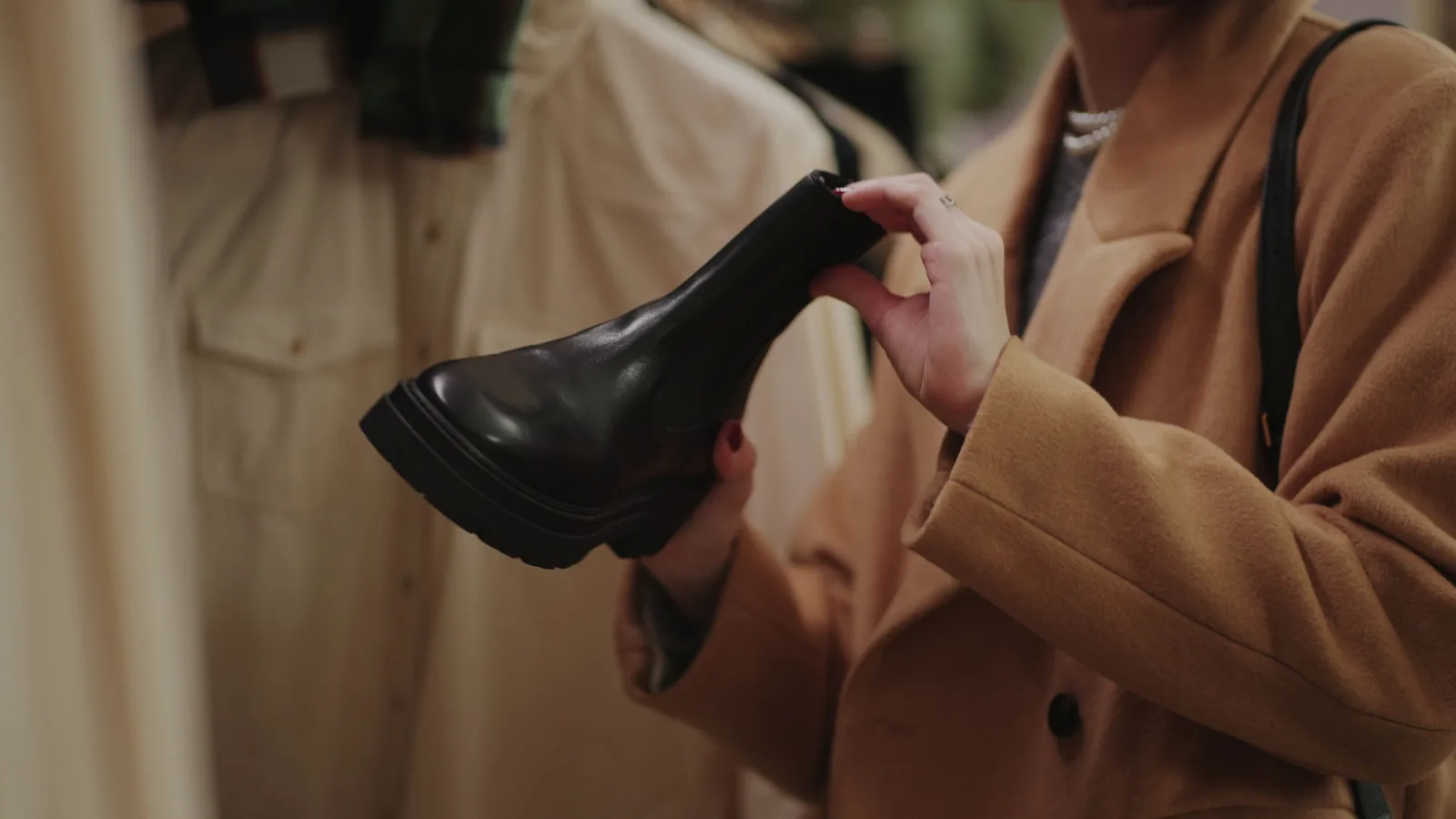
Proper fit is crucial for comfort, especially in warm weather when feet can swell. When trying on shoes, do so later in the day when your feet are at their largest. Wear the same type of socks you plan to use with the shoes. Check that there is about a thumb's width of space between your longest toe and the end of the shoe. The shoe should feel snug but not tight, and your heel should not slip when you walk. Look for arch support that matches your foot's natural curve; if you have flat feet, consider inserts. For sandals, ensure the straps do not dig into your skin or cause rubbing. A practical check is to walk around the store for several minutes, including up and down any stairs, to make sure the shoes don't pinch or slide. Also, test the flex of the shoe by bending it; it should bend at the ball of the foot, not the arch. This step matters because ill-fitting shoes can cause blisters, calluses, or even long-term foot problems, ruining your summer activities.
Organize and Rotate Your Shoes
Once you have your shoes, create a system to keep them organized and extend their life. Have a dedicated shelf or shoe rack near your entrance, and always put your shoes there when you come home. Store them in a cool, dry place away from direct sunlight to prevent fading and cracking. To promote air circulation, avoid stacking them tightly; leave space between pairs. Implement a rotation schedule: alternate between your three styles so each pair gets at least a day of rest between wears. This allows moisture to evaporate and prevents odor. A practical check is to have at least one pair of shoes that you wear for 'active' days (like sneakers) and another for 'rest' days (like loafers), so you naturally rotate. You can also use a simple rule: if you wear a pair for a day, you don't wear it the next day. This step matters because rotating shoes prevents them from breaking down too quickly and keeps them smelling fresh, saving you money in the long run.
Maintain and Clean Regularly
To keep your warm-season shoes looking good and lasting longer, establish a simple cleaning routine. For sneakers and canvas shoes, remove dirt with a soft brush or cloth, and spot clean with a mild soap and water solution. Avoid soaking them entirely. For leather shoes, wipe them with a damp cloth and use a leather conditioner occasionally to keep the material supple. For fabric sandals, clean straps with a gentle soap, and rinse thoroughly. Always air dry your shoes at room temperature, away from direct heat. Do not put them in a washing machine or dryer unless the label says it's safe. Also, consider using a deodorizing spray or placing baking soda inside overnight to absorb odor. A practical check is to inspect your shoes weekly for any loose stitching, worn soles, or damage. Address minor issues promptly, such as re-gluing a lifted sole or replacing a broken strap. This step matters because proper maintenance prevents small issues from becoming major problems, extending the life of your shoes and keeping them comfortable.
Quick Reference
| Situation | Action | Why it helps |
|---|---|---|
| You're going for a long walk on a hot day and need shoes that won't make your feet sweat. | Choose your breathable sneakers made of mesh or canvas. Wear moisture-wicking socks, and if possible, break them in on shorter walks before the long trek. | Breathable materials allow air to circulate, reducing sweat and the risk of blisters. Breaking them in prevents hot spots. |
| You have a casual outdoor lunch but want to look a bit polished. | Put on your loafers or espadrilles with lightweight trousers or a sundress. Ensure they're clean and in good condition, and pair them with a simple outfit that matches their color. | Loafers or espadrilles elevate your look without sacrificing comfort. A neutral color complements many outfits. |
| Your shoes start to smell after several wears, especially in warm weather. | Alternate your shoes every other day, and sprinkle baking soda inside them overnight. Also, use a shoe deodorizer spray and clean them according to their material. | Rotating allows shoes to dry out fully, reducing odor-causing bacteria. Baking soda absorbs moisture and neutralizes smells. |
Common Issues
- Blister formation on the back of the heel from new sandals or shoes.: Apply a blister prevention balm or use heel grips inside the shoe. Wear the shoes for short periods initially to break them in. If the issue persists, consider a different style or size.
- Shoes becoming stained from dirt, sweat, or water.: Address stains immediately. For canvas, use a gentle stain remover and a soft brush. For leather, clean with a damp cloth and a specialized cleaner. Always air dry and avoid direct sunlight.
- Sole separation or cracked soles after frequent wear in hot weather.: Check soles regularly. If you notice separation, use a strong shoe adhesive to glue them back, following the product instructions. For cracks, take them to a cobbler if they're costly, but if they're beyond repair, replace them.
Advanced Tips
- Invest in high-quality insoles that provide extra arch support and cushioning, especially if you spend many hours on your feet. They can be swapped between shoes to refresh comfort.
- Use a shoe tree or stuff your shoes with newspaper when storing them to help them keep their shape and absorb moisture. This is especially beneficial for leather shoes.
- Keep a small travel-sized deodorizer and a microfiber cloth in your bag for quick touch-ups when you're out, so you can address any dirt or odor on the go.
Final Checklist
- Have you listed all your typical warm-weather activities and ensured your shoe collection covers them all?
- Are all your shoes made from breathable materials and in good condition with no signs of wear?
- Do you have a rotation schedule in place, and do you store your shoes properly to allow air circulation?
- Have you established a regular cleaning routine and do you have the necessary supplies like mild soap, a brush, and a deodorizer?
FAQ
How many pairs of shoes do I really need for warm season?
Aim for at least three core pairs: a breathable sneaker, a comfortable sandal, and a smarter casual option like loafers. This covers most activities without creating clutter. If you engage in specific activities like hiking or formal events, consider adding a specialized pair.
Can I wear the same socks with all my shoes?
No, it's best to choose socks based on the shoe and activity. For sneakers, use moisture-wicking athletic socks. For loafers, wear no-shows or low-cut liner socks. For sandals, you typically go sockless, but if you need protection, use thin no-show socks made for sandals.
How do I prevent my feet from smelling bad in summer shoes?
Rotate your shoes so they can dry out between wears. Use foot powder or antiperspirant on your feet, and wear moisture-wicking socks when possible. Clean your shoes regularly with a suitable method and consider using a deodorizing spray or baking soda inside them overnight.