How To Choose A Practical Crossbody Bag For A City Weekend
A practical step-by-step guide to how to choose a practical crossbody bag for a city weekend, including preparation, instructions, common issues, tips, and next steps.
How To Choose A Practical Crossbody Bag For A City Weekend
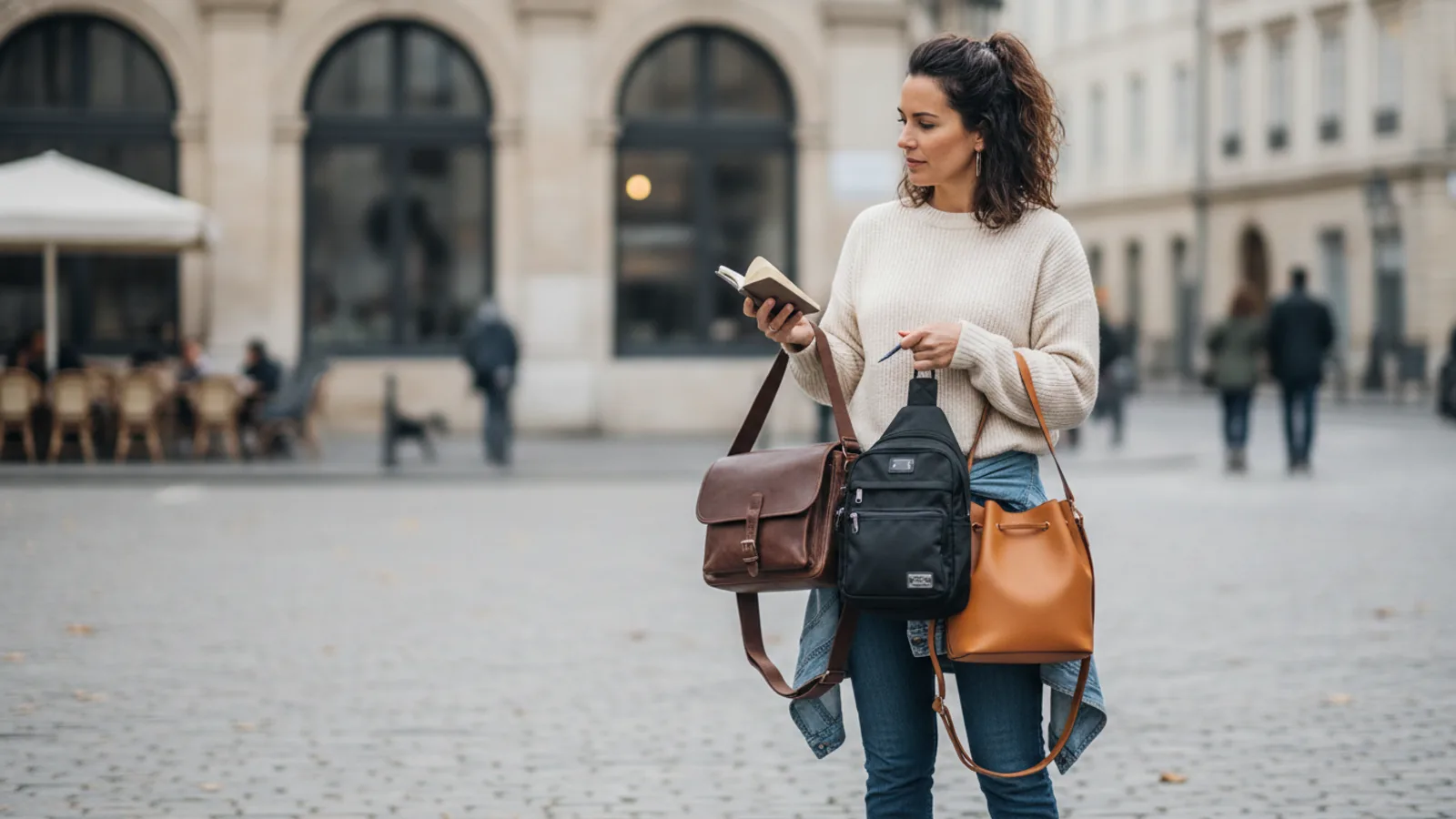
Selecting a practical crossbody bag for a city weekend means balancing security, comfort, and easy access. This guide helps you choose a bag that keeps your essentials safe while allowing freedom to explore. You will learn to assess size, straps, closures, and material, and to test the bag in real-world conditions. The steps cover defining your needs, evaluating dimensions, checking strap comfort, testing security, assessing access, and making a final choice. You'll also find quick reference scenarios, common issues with fixes, advanced tips, and a final checklist to ensure you pick a bag that serves you well throughout your urban adventures.
Fast Answer
- Prioritize a bag with a padded, adjustable strap that stays comfortably on your shoulder and resists slipping, and choose a size that fits your daily essentials without forcing you to carry extra bulk.
- Look for secure closures like zippers or flaps with magnetic snaps, and always test the bag while wearing the type of clothing you'll use it with to check for comfort and easy access.
Before You Start
- Clear out your pockets and a small backpack or tote to gather the items you truly need during a city day, such as a phone, wallet, keys, sunglasses, and a small water bottle.
- Have a soft measuring tape or a ruler to check the bag's dimensions and strap length, and a small notebook or phone notes app to record your findings.
- Dress in the typical outfit you'd wear for a city weekend—like a light jacket or a layered top—to test the bag with realistic clothing.
- Prepare a list of potential bag features you value, such as RFID-blocking pockets or a water-resistant exterior, to help you evaluate bags even if the store doesn't carry a specific one.
Step-by-Step Instructions
Assess Your Daily City Essentials
Gather every item you expect to carry during a city weekend: phone, wallet, keys, sunglasses, a small umbrella, a compact water bottle, and perhaps a portable charger. Lay them on a flat surface and examine their total volume and weight. Consider whether you might need to carry a light jacket or a small purchase like a book. This assessment gives you the minimum interior size and organization needed. If you typically carry more than a handful of items, a bag with multiple compartments will help keep things accessible. Also, think about how often you need each item—frequent access benefits from outside pockets. Write down the dimensions of your largest items, such as phone and sunglasses case, because they often determine the bag's necessary width. This step prevents you from buying a bag that is either too small to hold your essentials or so large that it encourages overpacking. Remember that a crossbody bag should not replace a backpack for heavy loads; it is for light daily carry.
Evaluate Bag Dimensions and Compartments
Measure the bag's main compartment width, height, and depth, and compare with the largest item you plan to carry, like a phone or sunglasses case. Ensure there is room to slide items in and out without forcing them, as a tight fit makes access frustrating. Also, check the number and placement of pockets: an outer pocket for a metro card or phone, an inside zippered pocket for valuables, and perhaps a slip pocket for a hand sanitizer. A bag that is too deep can cause items to sink to the bottom, making them hard to find. A bag that is too shallow may bulge when filled. Also, weigh the empty bag; it should be light enough that the added weight of your contents does not feel burdensome. If you plan to carry a water bottle, confirm it fits upright or at least horizontally without distorting the bag's shape. Finally, consider the closure: a full zipper is more secure than an open top, while a flap with a snap may allow quick access. Your choice depends on how often you need to open the bag and the level of security you require.
Examine Strap Comfort and Adjustability
The strap is the most critical component for comfort during hours of wear. Check that it is at least 1.5 inches (4 cm) wide to distribute weight evenly; thinner straps can dig into your shoulder. The strap should be padded if you plan to carry heavier items, and the padding should be positioned where it rests on your shoulder. Test the adjustability: you should be able to easily slide the buckle to change the length, and the strap should stay at your chosen length without slipping. Place the bag on your shoulder with your typical items inside and walk around the store. Notice if the strap slides down or requires readjustment. Also, check that the strap attachment points are reinforced—look for sturdy stitching or metal hardware. Some straps are made of slippery material that tends to slide on a jacket; choose one with a grippy underside or a rubberized patch. Remember that you'll be wearing this bag for many hours, so any discomfort is magnified. If the strap is not comfortable in the store, it will not become comfortable later.
Test Security Features and Closure Integrity
In a crowded city, security is paramount. Test the main closure: if it is a zipper, ensure it glides smoothly and does not snag. If it is a flap with a magnet, check that the magnet is strong enough to keep the flap closed but not so strong that it is hard to open. A bag that stays partially open invites pickpockets. Also, check for extra security features like a hidden pocket on the back panel or a clip for your keys. Some bags have a zippered pocket that lies against your body when worn crossbody, making it hard for a thief to access. When you wear the bag, make sure the closures are easy for you to reach but not for someone behind you. Practice opening and closing the bag while wearing it to see if you can do it without looking. Also, consider the strap's strength: the harness connection points should be double-stitched or riveted. If the bag has a removable strap, verify that the attachment hardware (like a clip or loop) is robust and unlikely to fail. A secure bag gives you peace of mind to enjoy your weekend.
Consider Material, Weight, and Weather Resistance
City weekends often involve variable weather, so a water-resistant material is practical. Look for nylon, polyester, or a coated canvas that can shrug off light rain. Leather may be stylish but can absorb moisture and be heavy. Check the bag's weight when empty: a crossbody should feel light, usually under a pound (or about 450 grams), because you'll be adding your phone, wallet, and other items. Heavier bags can strain your shoulder and back over time. Also, examine the interior lining and zippers for durability. A ripstop fabric is tougher against tears, and YKK-style zippers are known for longevity. If you expect to be out after dark, choose a bag with a reflective strip or light color for visibility. However, dark colors hide stains but can become hot in direct sun. Consider the care required: a machine-washable bag is convenient, but others need spot cleaning. Finally, think about the overall aesthetic: a neutral color goes with more outfits, while a bold color might be a style statement. Choose a bag that you will be happy to wear all day, because even the most functional bag is useless if you don't want to carry it.
Perform a Real-World Wear Test and Final Choice
Once you've narrowed down a few options, do a real-world test. Put your items inside the bag, adjust the strap to your preferred length, and wear it for at least 15 minutes in the store. Walk around, climb stairs if possible, and bend slightly to mimic picking up a child or reaching for a map. Notice any weight distribution issues, uncomfortable pressure points, or sliding. Also, test how easy it is to access your phone quickly—pretend to pull out your phone to answer a message. If the bag moves too much or is hard to open, reject it. Then, evaluate the bag against your criteria list: size, security, comfort, and weather resistance. If you cannot decide between two, choose the one that feels better on your shoulder and meets more of your essential needs. Remember that no bag is perfect, so prioritize features that matter most for your specific weekend activities. If you are buying online, read reviews about strap durability and closure longevity, but rely on your physical test if you are in a store. Make your final choice with confidence, knowing you have thoroughly researched and tested your selection.
Quick Reference
| Situation | Action | Why it helps |
|---|---|---|
| You are walking through a crowded market and need to keep your wallet safe. | Wear the bag with the closure facing your body and periodically place your hand over the front pocket. | Holding the bag close and keeping the opening hidden makes it harder for a thief to access without you noticing. |
| You are carrying a water bottle and a light jacket in your crossbody bag. | Place heavy items like a water bottle at the bottom, closest to your body, and use a strap with padding. | Even weight distribution reduces strap pressure and prevents the bag from swinging, keeping you balanced. |
| It starts raining unexpectedly during your city walk. | Quickly move your phone and wallet to an inside zippered pocket, and pull the bag's flap or top zipper closed. | A sealed closure protects your valuables from moisture, even if the exterior is only water-resistant. |
Common Issues
- The strap keeps slipping off your shoulder.: Adjust the strap to a shorter length so the bag sits higher under your arm, or purchase a non-slip strap pad that clips onto the existing strap to provide grip.
- The bag causes neck or shoulder pain after a few hours.: Switch to a wider, padded strap, and redistribute weight by carrying lighter items in the bag and wearing a backpack for heavy gear, or take breaks to remove the weight.
- You forget which pocket holds your keys or phone.: Designate a consistent pocket for each item, and always place them in the same spot. Practice accessing them until it becomes second nature, or use a small key leash attached to the interior.
Advanced Tips
- Attach a small carabiner to the outside loop to hold hand sanitizer or keys, keeping them within reach without rummaging inside.
- If you often carry a camera on a separate neck strap, choose a crossbody bag that sits low on the opposite hip to avoid interference.
- Consider a bag with a hidden pocket that lies against your body when worn; use it for your phone to feel its vibration and access it discreetly.
Final Checklist
- The bag is light (under 1 pound or 450 grams empty) and has a padded strap at least 1.5 inches wide.
- The main closure is secure (full zipper or strong magnetic flap) and is easy for you to open but not for a stranger.
- All essential items fit without overstretching the fabric, and there is an outer pocket for quick access to items like a phone or metro card.
- The material feels water-resistant, and all zippers and stitches show quality construction with no loose threads.
FAQ
Should I choose a leather or nylon crossbody bag for city weekends?
It depends on your priorities. Nylon is generally lighter, quicker to dry, and often more water-resistant, making it ideal for unpredictable weather. Leather is more formal and durable over time but adds weight and may require extra care to avoid water damage. If comfort and ease are your top concerns, nylon or a synthetic material is practical; if you prefer a timeless look and don't mind a bit more weight, leather can work. Always check the bag's weight and weather resistance before deciding.
How large should a crossbody bag be for everyday city use?
A practical size is about 8 to 10 inches wide and 6 to 8 inches tall, which fits a standard phone, wallet, key pouch, small sunglasses case, and a few other essentials. Anything smaller may require downsizing your daily carry, while anything larger becomes cumbersome and encourages carrying unnecessary items. Measure your largest items and choose a bag that accommodates them with a little extra room. Keep in mind that the bag should not be so deep that items sink to the bottom and become hard to reach.
What is the best way to wear a crossbody bag to prevent theft?
Wear the bag across your body with the strap going over one shoulder and the bag resting on the opposite hip. Adjust the strap so the bag sits high up on your hip, close to your body, ideally just below your armpit. Keep the bag's opening facing forward or toward your body, and periodically be aware of your surroundings. In very crowded areas, you can also keep one hand over the bag's closure. Avoid wearing the bag loosely behind you, and never leave it unattended.