Common Mistakes When Planning Choosing Everyday Sneakers For Walking And Errands
A practical step-by-step guide to common mistakes when planning choosing everyday sneakers for walking and errands, including preparation, instructions, common issues, tips, and next steps.
Common Mistakes When Planning Choosing Everyday Sneakers For Walking And Errands
Choosing everyday sneakers for walking and errands seems simple, but common mistakes can lead to discomfort, blisters, or foot pain. This guide covers frequent errors like buying the wrong size, ignoring arch support, and overlooking tread, and offers clear steps to pick a comfortable, practical pair for daily use.
Fast Answer
- The biggest mistake is choosing style over fit; always measure your feet at the end of the day and leave a thumb's width of space at the toe.
- Don't assume a shoe is supportive just because it feels cushioned; check for a firm heel counter and flexible sole that bends at the ball of the foot.
Before You Start
- Measure both feet in the evening when they are slightly swollen, using a ruler or a Brannock device at a shoe store, and record the larger foot's length and width.
- Wear the same type of socks you plan to use with the sneakers, because sock thickness changes how a shoe fits.
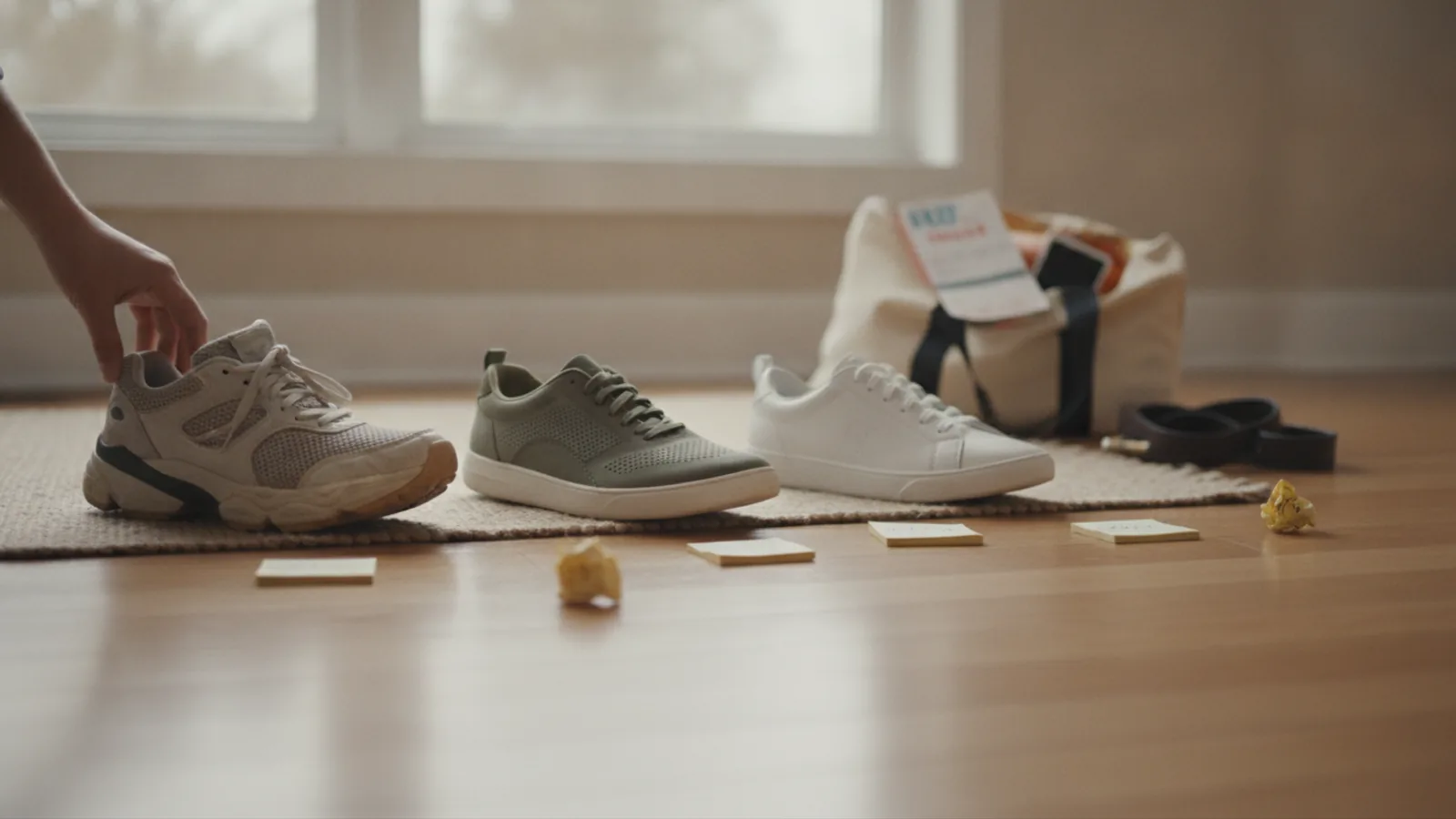
- Bring a notepad or phone to jot down which shoe models and sizes you tried and how they felt, so you can compare without feeling rushed.
- Check the shoe's return policy before buying, so you can test the sneakers on carpeted floors at home and still return them if they don't work.
Step-by-Step Instructions
Measure Your Feet Accurately at the End of the Day
Start by measuring both feet in the afternoon or evening, because feet naturally swell during the day and a shoe that fits in the morning may feel tight later. Use a ruler or a real foot measuring device if available. Stand up while measuring, because your feet spread under your weight. Measure the length from the heel to the longest toe, and also measure the width across the ball of the foot. Write down both numbers. The larger foot should determine the shoe size. Also note whether your foot is medium, wide, or extra wide. Many people have one foot slightly larger, so always fit the bigger foot to avoid pain on that side. This step prevents the most common mistake: buying too small shoes that lead to blisters, black toenails, or bunions.
Check the Toe Box and Heel Fit
When you try on the sneaker, slide your foot forward until your toe just touches the front, then insert a finger behind your heel. You should have about a thumb's width (about half an inch) of space between your longest toe and the end of the shoe. Also check the toe box: gently squeeze it. Your toes should have enough room to wiggle freely without being cramped sideways. The heel should feel snug – it should not slip more than a quarter-inch when you walk. Lace the shoes fully and walk a few steps. If your heel lifts up when you walk, the shoe is too loose at the heel, which can cause blisters and instability. A proper heel hold is crucial for walking on uneven sidewalks and prevents discomfort during long errands.
Evaluate Arch Support and Footbed Comfort
Take out the insole and look at it: a good walking sneaker should have a contoured insole that supports the natural arch of your foot. Press your thumb into the insole – it should not be completely flat or too squishy. Try the shoe on and stand for about 30 seconds. Notice where you feel pressure. If you have flat feet, look for a shoe with a firmer arch support or room for an orthotic insert. If you have high arches, you might need extra cushioning. The insole should follow the curve of your arch and not feel like a flat board. Many people mistakenly assume that thick cushioning equals support, but excessive softness can make your feet unstable. The right arch support reduces foot fatigue and prevents overpronation, which is a leading cause of knee and hip discomfort.
Bend and Twist the Shoe to Test Flexibility
Hold the sneaker by the heel and try to bend the toe upward – it should bend at the ball of the foot, not in the middle of the arch. A shoe that bends too easily in the arch offers little support, while a shoe that is too stiff will resist natural walking. Next, twist the shoe with your hands – it should not twist excessively, but it should have some give. Put on the shoe and walk on a hard floor, paying attention to the forefoot. You want the shoe to let your foot roll naturally from heel to toe. This flexibility helps prevent foot cramps and reduces the effort of walking. Some people choose very rigid sneakers thinking they last longer, but that can lead to Achilles tendon strain or a stiff gait. The right balance keeps you comfortable for hours of errands.
Examine the Outsole for Tread and Traction
Look at the bottom of the shoe. The sole should have a pattern with rubber lugs or treads that are not worn down. For everyday walking, you want a sole that provides grip on both dry and slightly wet surfaces. Run your finger over the tread – it should feel slightly rough and not completely smooth. A smooth sole will make you slip on shiny floors or wet sidewalks. Also check the sole material: many walking sneakers use durable rubber, but some have softer foam that wears out quickly. Squeeze the sole to see if it is firm yet flexible. The tread pattern should extend from heel to toe, because you need traction for both push-off and landing. This is especially important if you walk in the rain or on uneven pavement. A good outsole prevents falls and gives you confidence on every step.
Walk, Jump, and Simulate Errands in the Store
Finally, do a thorough test session in the store. Walk at a normal pace, then a slightly brisk pace, for at least five minutes. Also try walking on different surfaces if the store has them, like carpet or tile. Do a gentle jump to see if the shoe absorbs shock; your knees should not feel any jarring impact. Bend your knees as if you were picking up something from a low shelf, and make sure the shoe does not pinch your toes. If you plan to use these sneakers for a long day, this simulation helps reveal pressure points. Many people skip this and buy shoes that feel okay in the store but hurt later. The store environment lets you test in a way that mirrors real use, so use the time to confirm there is no heel slip, no pinching, and the sole grips well. When you are satisfied with these points, you can make your purchase with confidence.
Quick Reference
| Situation | Action | Why it helps |
|---|---|---|
| Your usual size feels tight when you try on a new pair of sneakers in the store. | Get both feet measured and try a half size larger, then do the thumb-width toe test and walk around the store for a few minutes before deciding. | Sizes vary between brands and even models, so relying on your usual size risks choosing a shoe that is actually too small, leading to blisters and pain. |
| You notice that your heel slips out of the shoe as you walk fast. | Tighten the laces using the top eyelets, and if that doesn't stop the slipping, try a different model with a firmer heel counter or adjust the lacing pattern. | Heel slippage can cause friction and blisters and also makes you walk less efficiently because your foot is not secure in the shoe. |
| The sole of your current sneakers looks completely smooth and you almost slipped on a wet floor. | Replace them immediately with a pair that has visible rubber tread and shallow grooves, and test the new shoe's grip by walking on a slightly wet surface (if the store allows). | Worn tread reduces traction and increases the risk of falls, especially on wet or polished surfaces; a new sole with proper tread restores grip and safety. |
Common Issues
- You buy a wide size for all shoes, but some models feel loose at the heel while others are too tight at the toes.: Look for a shoe with a wide toe box but a snug heel, and use insoles or lacing techniques to customize the fit; consider trying a 'wide' width in one brand and a 'regular' in another, since width is not standardized.
- The cushions feel great in the store, but after a week of walking, your feet hurt in a new way.: Switch gradually: wear the new sneakers for only one or two hours a day for the first week, and check the insole to see if it has a contoured arch support; if the pain persists, the shoe may be too soft or too stiff for your arch type.
- Your socks get soaked on a rainy day even though the sneakers are new.: Check the upper material – if the shoe is mesh, it will not be fully waterproof. Use a water-repellent spray designed for fabrics and avoid walking through puddles; choose a model with a more water-resistant upper if you often walk in wet weather.
Advanced Tips
- Rotate two pairs of walking sneakers to allow the midsoles to compress back to shape, which can extend their lifespan and reduce repetitive stress on the same foot areas.
- If you have flat arches, try a shoe with a firm arch support or add a stable insole, and avoid highly cushioned, soft shoes that let your foot roll inward excessively.
- Pay attention to the heel drop: a lower heel drop (around 4-6 mm) encourages a more natural stride for walking, while higher drops (10-12 mm) suit some people with tight calves; check what feels most comfortable.
Final Checklist
- You have measured your feet at the end of the day and know your width – and you tried on the larger foot's size.
- There is a thumb's width of space between your longest toe and the end of the shoe, and your heel does not slip more than a quarter-inch.
- The shoe bends at the ball of your foot, not mid-arch, and the sole has visible tread that is not completely smooth.
- You walked in the store for at least five minutes, jumped gently, and squatted, and there are no pressure points or pinching anywhere.
FAQ
How often should I replace my everyday walking sneakers?
On average, walking sneakers wear out after 300 to 500 miles (about 480 to 800 kilometers), but this varies by your weight, how you walk, and the materials of the shoe. A simple check is to press on the sole: if it feels hard or flattened, or if the tread is smooth, it's time to retire them. Some people replace them every six months, but for light use they may last a year. Trust your feet – if you start feeling knee, hip, or foot pain that you didn't have before, the shoes are likely worn out.
Which material is best for everyday walking sneakers – mesh or leather or something else?
There is no single 'best' material because it depends on your climate and needs. Breathable mesh is lightweight and dries quickly, making it good for warm weather, but it offers less structure and may not be as water-resistant. Leather or synthetic overlays give more support and durability but can feel hotter. For most everyday use, a fabric upper with synthetic reinforcements offers a good balance. If you walk in rain often, choose a shoe with a water-resistant coating or a heavier upper. Try different materials to see what feels best for your feet.
Can I use running sneakers for walking and errands?
Running sneakers can be used for walking, but they are designed for forward motion and extra cushioning for heel strikes during running. They may have a higher heel-to-toe drop, which can be less comfortable on the feet if you walk for long periods on hard surfaces. Walking sneakers are often more flexible, with a rocker or beveled heel to help with the walking gait. If you do use running shoes, choose a model with enough flexibility at the forefoot and check that it bends properly. Try both types and see which feels more stable for your daily walks.