What To Check Before Checking A Shoe Sale For Fit And Return Terms
A practical step-by-step guide to what to check before checking a shoe sale for fit and return terms, including preparation, instructions, common issues, tips, and next steps.
What To Check Before Checking A Shoe Sale For Fit And Return Terms
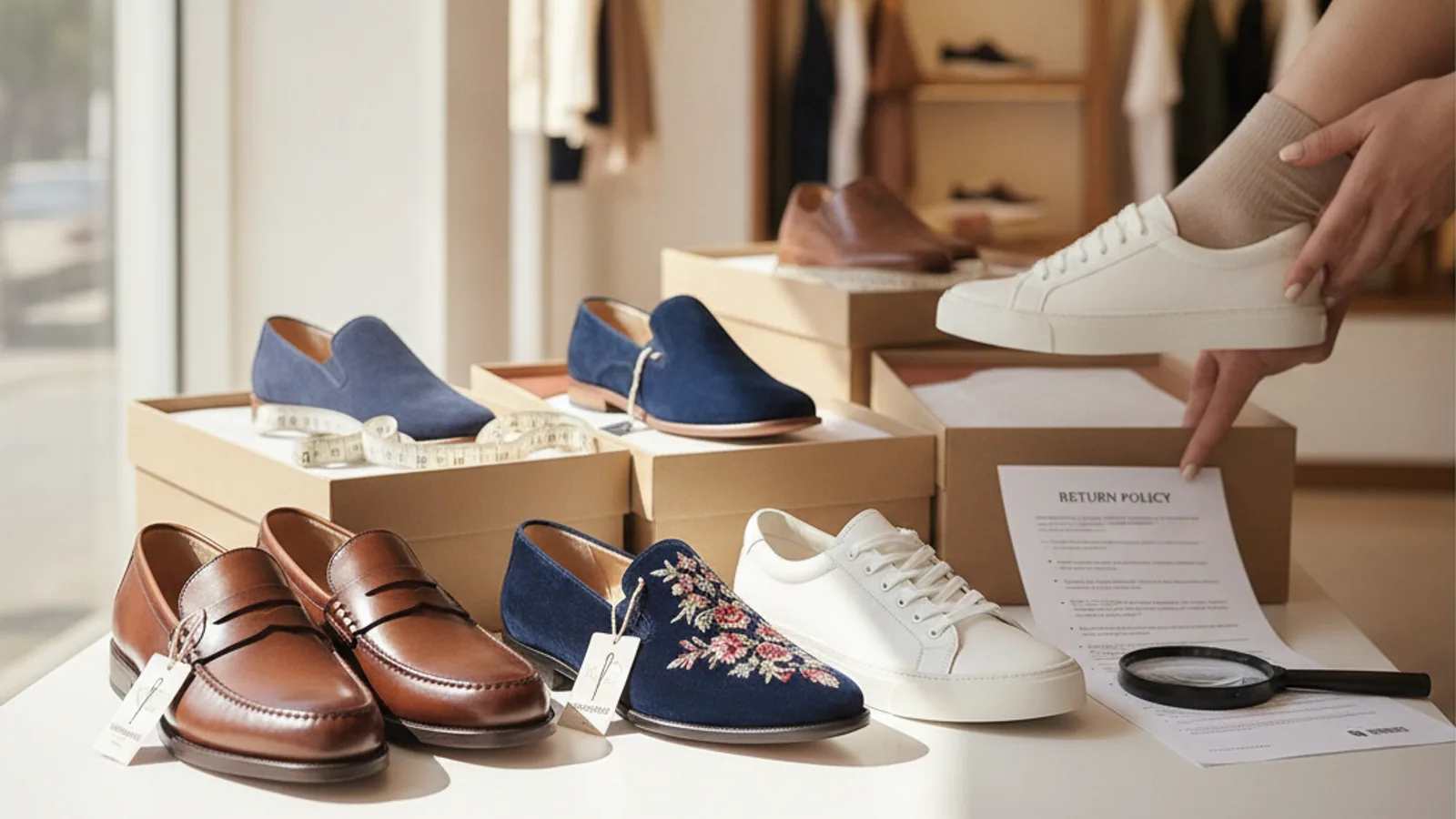
Before committing to a shoe sale, verify the fit and return terms to avoid costly mistakes. This guide explains how to check sizing accuracy, return policies, restocking fees, and time limits, so you can shop with confidence and know your options if the shoes don't work out.
Fast Answer
- Check the seller's return policy before you buy, noting the return window, condition requirements, and who pays for return shipping.
- Measure your feet and compare them to the brand's size chart, and read reviews about fit (snug, roomy, true to size) for that specific style.
Before You Start
- Have a flexible tape measure, a piece of paper, a pen, and a flat surface to measure your foot length and width accurately.
- Locate the size chart for the specific brand or store, as sizes vary between manufacturers and even between shoe models.
- Find the return policy page on the seller's website, especially the sections about final sale items, restocking fees, and return shipping costs.
- Read customer reviews for the exact shoe style, focusing on comments about fit, arch support, and whether the shoe runs small or large.
Step-by-Step Instructions
Measure Your Feet at Home
Start by measuring both feet using a tape measure. Place a piece of paper on a hard floor, stand on it with your heel against a wall, and mark the longest point of your foot. Measure the distance from the wall to the mark for each foot, and also measure the widest part of your foot. Do this in the late afternoon or evening when feet are slightly swollen, which is the best time to get an accurate size. Because feet often differ in size, use the larger foot's measurements when choosing a shoe size. Compare your measurements to the seller's size chart for that specific shoe model, not just the size you usually wear. Remember that sizes vary by brand, and even between different shoe types from the same brand. This step is the foundation of avoiding a poor fit, so take your time and write down all numbers.
Check the Seller's Return Policy
Navigate to the seller's return policy page before you add any shoes to your cart. Look for the return window in days, the condition the shoes must be in (for example, unworn with original tags), and whether the shoes must be returned in the original packaging. Check if you are responsible for return shipping costs and whether a restocking fee applies. Also note if any items are marked as final sale or not eligible for return, which is common for clearance and sale items. The policy may differ for sale items compared to full-price items, so read the terms for the specific item you want. If the policy is unclear, look for a customer service email or phone number and ask directly before purchasing. This step ensures you know exactly what to expect if the fit is not right, and it prevents unpleasant surprises when you try to make a return.
Read Fit Reviews for the Specific Style
Search for customer reviews for the exact shoe model you are interested in, not just the brand in general. Reviews often mention whether the shoe runs true to size, small, or large, and they may give specific advice like 'order half a size up' or 'this style is narrow.' Look for multiple reviews to get a sense of the consensus, and pay attention to reviews from people who have purchased the same width or have similar foot type as you. If the reviews indicate the shoe fits differently than expected, adjust your size choice accordingly. Also note any comments about the shoe being uncomfortable, having a tight toe box, or rubbing on the heel. Reading reviews is a quick way to learn from other customers' experiences and can help you select the right size the first time, reducing the chance of needing a return.
Verify the Return Process Details
Once you have read the return policy, dig into the logistics of how returns are processed. Find out if the seller provides a prepaid return label or if you must print your own. Note the address for returns and whether you need to include a return authorization form or just the packing slip. Check whether the return must be shipped through a specific carrier or if you can use any carrier. Also see if there are any deadlines for the return, such as 'must be postmarked within 30 days of delivery.' Keep a copy of any return authorization number or emails from the seller. Understanding the exact process prevents mistakes like sending the shoes to the wrong address or missing the return deadline. It also tells you what evidence you need to keep, such as the tracking number, so you can prove your return was sent on time if there is a dispute.
Assess the Cost and Convenience of Returning
Before finalizing your purchase, estimate the total cost of a possible return if the shoes do not fit. This includes any return shipping fee and restocking fee, even if the original shipping was free. If the return costs are high relative to the shoe price, you might decide to shop elsewhere or choose a shoe with a more generous return policy. Also consider the convenience factor: how far is the nearest drop-off point for the carrier they require, and how quickly will you receive a refund after the seller receives the return? Some sellers refund to your original payment method, while others offer store credit. Knowing these details helps you plan for the worst-case scenario and decide whether the sale is actually a good deal. Weighing the cost and hassle of returns is a practical step that saves you from unexpected expenses and wasted time if the fit is wrong.
Make Your Decision and Document Everything
After completing the checks above, you should have enough information to decide whether to proceed with the purchase. If you choose to buy, keep a record of the purchase date, order confirmation, the return policy at the time of purchase, and all communication with the seller. Save the order confirmation email and any screenshots of the return policy in a folder on your device. When the shoes arrive, try them on indoors on a carpeted surface, and do not remove any tags until you are sure they fit. Wear them for a short time to test comfort, but be mindful of the 'unworn' condition required for returns. If the shoes do not fit, initiate the return immediately, following the exact process you verified. Keeping these documents ensures you have evidence if any issue arises with the return, and it makes the process smoother and less stressful.
Quick Reference
| Situation | Action | Why it helps |
|---|---|---|
| You see a pair of shoes on sale, but the return policy says 'final sale.' | Do not buy the shoes unless you are already certain they fit you well, perhaps because you have tried that exact model before. | Final sale means the seller will not accept returns or exchanges, so you cannot get your money back if the fit is wrong. |
| The brand's size chart says you should wear a size 9, but reviews say the shoe runs a half size small. | Order a size 9.5 instead of the size indicated on the chart, based on the review feedback. | Reviews from other customers often provide real-world fitting experience that the size chart may not reflect. |
| The return policy requires you to pay return shipping, and you are not sure if you will keep the shoes. | add the return shipping cost to the total price of the shoes and compare it to the cost of the same shoe from another seller with free returns. | Understanding the true total cost, including possible extra fees, allows you to make an informed decision about whether the sale is actually a good deal. |
Common Issues
- The shoes arrived and they are too small, but the seller's return window is very short and you missed it.: Contact the seller immediately and explain you missed the window, asking if they can make an exception. Some sellers may offer store credit or a partial refund even after the window closes.
- The seller charges a restocking fee, which reduces your refund amount.: Review the return policy for details on the fee, and consider whether returning the shoes is worth the additional cost. In some cases, you may prefer to keep the shoes and try to sell them locally.
- You lost the original shoe box, and the return policy requires it.: Check if the store accepts returns without the original box or if you can use any sturdy box. If the policy strictly requires the original, you may need to carefully choose what to do, as returning without it might be refused.
Advanced Tips
- Use a 3D foot scanning app on your smartphone to get a more precise measurement of your foot size and arch length, which can help you choose the right size across different brands.
- If you are between sizes and the shoe style is available in half sizes, order the larger size and use insoles or heel grips to adjust the fit if needed.
- Consider buying two sizes of the same shoe when you are uncertain about the fit, then return one after trying both, as long as you are confident you can complete the return within the policy window.
Final Checklist
- I have measured both feet and compared them to this brand's size chart for this specific shoe style.
- I have read the full return policy, including the return window, condition requirements, and any restocking fees.
- I have checked customer reviews about the fit of this exact shoe, especially comments on size and width.
- I understand the exact return process, including the shipping method, return address, and any required forms or paperwork.
FAQ
Should I rely on my usual shoe size when buying a different brand?
No, you should not rely solely on your usual size because shoe sizes vary significantly between brands and even between different styles within the same brand. Always measure your feet and compare them with the brand-specific size chart. Additionally, reading customer reviews for the exact model can give you practical insight into whether the shoe runs true to size. Taking these steps reduces the chance of ordering the wrong size and having to deal with returns.
What is a restocking fee, and how can I avoid it?
A restocking fee is a charge deducted from your refund when you return an item, usually to cover the seller's cost of processing the return. To avoid it, choose sellers that advertise no restocking fees, or look for sale items that specify 'free returns' or 'no restocking fee.' Before buying, always read the return policy to see if a restocking fee applies. If it does, decide whether the fee is acceptable in case you need to return the shoes. Some stores waive the fee if you exchange the item for another size or style.
What should I do if I want to return shoes but the return window has passed?
contact the seller's customer service quickly and politely explain the situation. Some sellers may make an exception and accept the return, especially if you have a good reason, like an unexpected trip or illness. Even if they do not accept the return, they might offer store credit or a partial refund. It is always worth asking, but be prepared to accept their decision. To avoid this situation in the future, always note the return deadline and set a reminder a few days before it expires.