How To Plan Caring For Leather Shoes Through Wet Weather
A practical step-by-step guide to how to plan caring for leather shoes through wet weather, including preparation, instructions, common issues, tips, and next steps.
How To Plan Caring For Leather Shoes Through Wet Weather
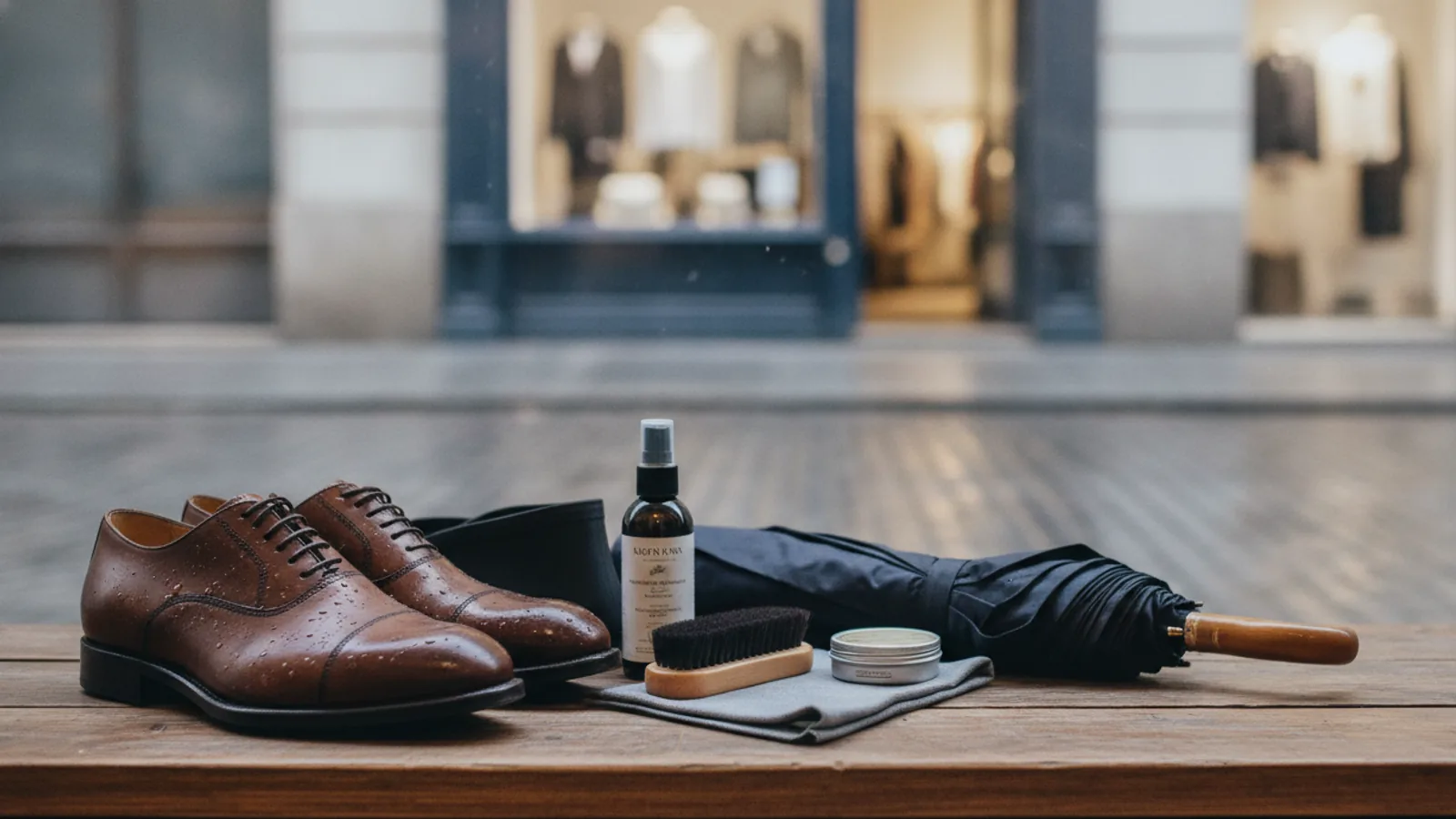
This guide explains how to care for leather shoes during wet weather, covering preparation, daily maintenance, drying techniques, and long-term protection. It emphasizes using waterproofing products, cleaning properly, and allowing shoes to dry naturally away from heat. The advice is practical and suitable for all leather types, helping you extend the life of your footwear and keep them looking good even in rain, snow, or slush. By following these steps, you can prevent water stains, salt marks, and cracking, ensuring your leather shoes remain comfortable and durable throughout the wet season.
Fast Answer
- Apply a waterproofing spray or wax before exposure to wet conditions, and reapply regularly to maintain protection.
- Dry wet leather shoes at room temperature away from direct heat, then condition and polish them to restore moisture and shine.
Before You Start
- Clean your leather shoes thoroughly with a soft brush or damp cloth to remove dirt and grit before applying any waterproofing treatment.
- Choose a high-quality waterproofing spray or wax suitable for your leather type; test it on a small, inconspicuous area first.
- Allow the waterproofing product to dry completely according to the manufacturer's instructions before wearing the shoes outdoors.
- Keep a separate pair of shoes for very wet days to rotate with your leather shoes, giving them time to dry completely between wears.
Step-by-Step Instructions
Remove Dirt and Debris
Start by removing any loose dirt, mud, or salt from your leather shoes using a soft brush or a damp cloth. Work gently to avoid scratching the leather. Pay special attention to the seams and crevices where grime can accumulate. For dried-on mud, let it dry first, then brush it off; scrubbing wet mud can push it deeper into the leather. After brushing, wipe the shoes with a barely damp cloth to pick up any remaining dust. This cleaning step is crucial because waterproofing products and conditioners cannot penetrate through a layer of dirt, so they won't be effective. A clean surface also prevents abrasive particles from causing micro-scratches during the next steps. Ensure the shoes are dry before moving on.
Apply Waterproofing Treatment
Choose a waterproofing spray or wax that suits your leather type. For smooth leather, a spray is convenient; for nubuck or suede, look for a product specifically designed for those materials. Hold the spray about 15-20 cm away and apply an even, light coat over the entire shoe, including the tongue and the area near the sole. For wax, use a soft cloth to rub it in circular motions. Let the first coat dry for the time stated on the product label, usually 10-20 minutes. Then apply a second coat for better protection. This barrier helps repel water and prevent stains, but it is not permanent. Reapply every few weeks or after heavy cleaning. Always follow the product instructions and consider testing on a small area first.
Dry Wet Shoes Properly
If your leather shoes get soaked, remove the laces and insoles, and stuff the shoes with crumpled newspaper or use cedar shoe trees. This helps them keep their shape and absorb moisture from the inside. Place them in a dry, well-ventilated room at normal room temperature, away from direct sunlight and heat sources. Change the newspaper every few hours until it no longer absorbs moisture. Do not use a hairdryer, radiator, or oven, as intense heat causes the leather to crack and stiffen. Drying can take 12-24 hours, so rotate your shoes to avoid wearing the same pair on consecutive days. Once dry, you can move on to conditioning. Proper drying prevents water stains and maintains the leather's flexibility.
Clean Off Salt and Water Marks
After your shoes are dry, inspect them for white salt stains or water marks. Mix a solution of equal parts water and white vinegar. Dampen a soft cloth with the solution and gently wipe the affected areas in a circular motion. Do not saturate the leather; just a light wipe is enough. Vinegar neutralizes the alkaline salts and helps lift stains. For stubborn marks, you may need to repeat the process. After wiping, use a dry cloth to remove excess moisture. Then, allow the shoes to air dry completely. This step is essential because salt left on leather can draw moisture and cause the leather to dry out and crack over time. Regular cleaning after wet wear extends the life of your shoes.
Condition and Nourish the Leather
Once your shoes are clean and dry, apply a quality leather conditioner. Choose a conditioner suited to your leather type. Using a soft cloth, apply a small amount and massage it into the leather with circular motions. Focus on areas that bend, like the toe and heel. Let the conditioner absorb for the time recommended on the product label, usually 10-15 minutes. Then, buff the shoes with a clean, dry cloth to remove any excess. Conditioning restores natural oils lost during wet wear and cleaning, keeping the leather soft and preventing cracking. It also helps maintain water resistance. For best results, condition your shoes once every month or after every major wetting. Do not over-condition, as that can make the leather soggy.
Apply Polish and Protectant
The final step is to apply a leather polish that matches your shoe color. Use a soft cloth or a polishing brush to apply a thin, even layer of polish. Work it into the leather in small circular motions. Allow the polish to dry for a few minutes, then buff with a clean cloth or a buffing brush to achieve a shine. Polish not only enhances the appearance but also adds a protective layer that repels water and dirt. After polishing, you can apply a final coat of waterproofing spray if desired, following the product instructions. This extra layer helps seal the polish and boosts water resistance. Your shoes are now protected and ready for wet weather. Remember to maintain them regularly by repeating this process.
Quick Reference
| Situation | Action | Why it helps |
|---|---|---|
| You are about to go outside and light rain is expected | Apply a waterproofing spray to your leather shoes and let it dry completely before stepping out, even if they were treated recently. | Fresh waterproofing ensures maximum water beading and prevents moisture from soaking into the leather, reducing the chance of stains and damage. |
| Your leather shoes have just been caught in a heavy downpour and are soaked | Remove the laces and insoles, stuff the shoes with newspaper, and let them air dry in a warm, dry room for at least 24 hours before wearing again. | Immediate proper drying prevents water from weakening the leather and keeps the shoes from losing their shape, which can happen if they dry unevenly. |
| You notice white salt stains on your leather shoes after they dried | Wipe the stained areas with a solution of equal parts water and white vinegar, then let them dry and condition the leather afterward. | Vinegar neutralizes the alkaline salts, lifting the white marks without damaging the leather, and conditioning restores moisture to prevent cracking. |
Common Issues
- Leather shoes become stiff and creased after getting wet: After drying, apply a generous layer of leather conditioner and gently massage it into the crease areas. Let it absorb overnight, then buff. Repeat daily until the leather becomes supple again.
- Waterproofing spray leaves a dull or blotchy film on leather: Use a clean cloth dampened with water to gently wipe the affected areas, then apply a very light coat of shoe polish and buff. Ensure the spray is suitable for your leather type and apply even coats from the correct distance.
- Salt stains reappear after cleaning: Mix a stronger vinegar solution (two parts vinegar to one part water) and wipe the area again, leaving it on for a few minutes before wiping dry. After drying, condition thoroughly. If stains persist, consult a professional shoe care specialist.
Advanced Tips
- Use cedar shoe trees regularly, as they absorb moisture, maintain shape, and impart a pleasant scent that also helps keep leather fresh.
- Rotate your leather shoes – don't wear the same pair two days in a row – to give them ample time to dry out and recover from moisture exposure.
- In persistent wet conditions, consider using a leather protector with a higher silicone content, but reapply often as it wears off with wear and cleaning.
Final Checklist
- Have you cleaned your leather shoes free of dirt and grime before treating them?
- Did you apply a waterproofing product suitable for your leather type and let it dry completely?
- After wet wear, have you dried your shoes at room temperature with newspaper or shoe trees?
- Have you conditioned and polished your shoes to restore moisture and protection?
FAQ
How often should I waterproof my leather shoes in wet seasons?
For best protection, reapply waterproofing spray or wax every 2-3 weeks, or after any heavy cleaning. If you wear your leather shoes frequently in rain or snow, consider a more frequent schedule. Always follow the product instructions, as some treatments last longer than others.
Can I use a hairdryer to speed up drying of wet leather shoes?
No, using a hairdryer or any direct heat source is not recommended. High heat can cause the leather to crack, shrink, or become brittle, permanently damaging the shoes. Always let them air dry naturally at room temperature, and use newspaper to absorb moisture from the inside.
What should I do if my leather shoes get a water stain?
Water stains often appear as dark spots. Once the shoes are dry, gently clean the area with a damp cloth and then apply a leather conditioner. If the stain persists, use a small amount of leather cleaner on the spot. For stubborn stains, consult a professional. Prevention with waterproofing is the best approach.