How To Plan A Lightweight Travel Shoe Kit For A City Break
A practical step-by-step guide to how to plan a lightweight travel shoe kit for a city break, including preparation, instructions, common issues, tips, and next steps.
How To Plan A Lightweight Travel Shoe Kit For A City Break
Planning a lightweight travel shoe kit for a city break means packing two or three pairs that cover walking, dining, and downtime without overstuffing your bag. Focus on versatility, comfort, and smart packing techniques. Choose shoes that match your planned activities, consider weather and local terrain, and use packing aids like shoe bags or stuffers. Break in new shoes before you leave, and keep your feet healthy with proper socks and care. This guide walks you through selecting, packing, and maintaining a shoe kit that keeps you comfortable and stylish while exploring the city.
Fast Answer
- Wear your bulkiest pair on travel days and pack the rest in a reusable shoe bag to save space and weight.
- Select shoes in neutral colors that coordinate with all your outfits, and choose non-slip, cushioned soles for city pavement.
Before You Start
- List your planned activities: long walking tours, dinners, museums, or casual evenings out, and note the expected weather.
- Check the dress codes of any restaurants or venues you plan to visit to know if you need an upgrade from sneakers.
- Inspect your shoes for wear and tear, replace worn insoles or laces, and clean them before packing.
- Break in any new shoes by wearing them for short walks at home a few weeks before your trip.
Step-by-Step Instructions
Decide on the right number of shoes
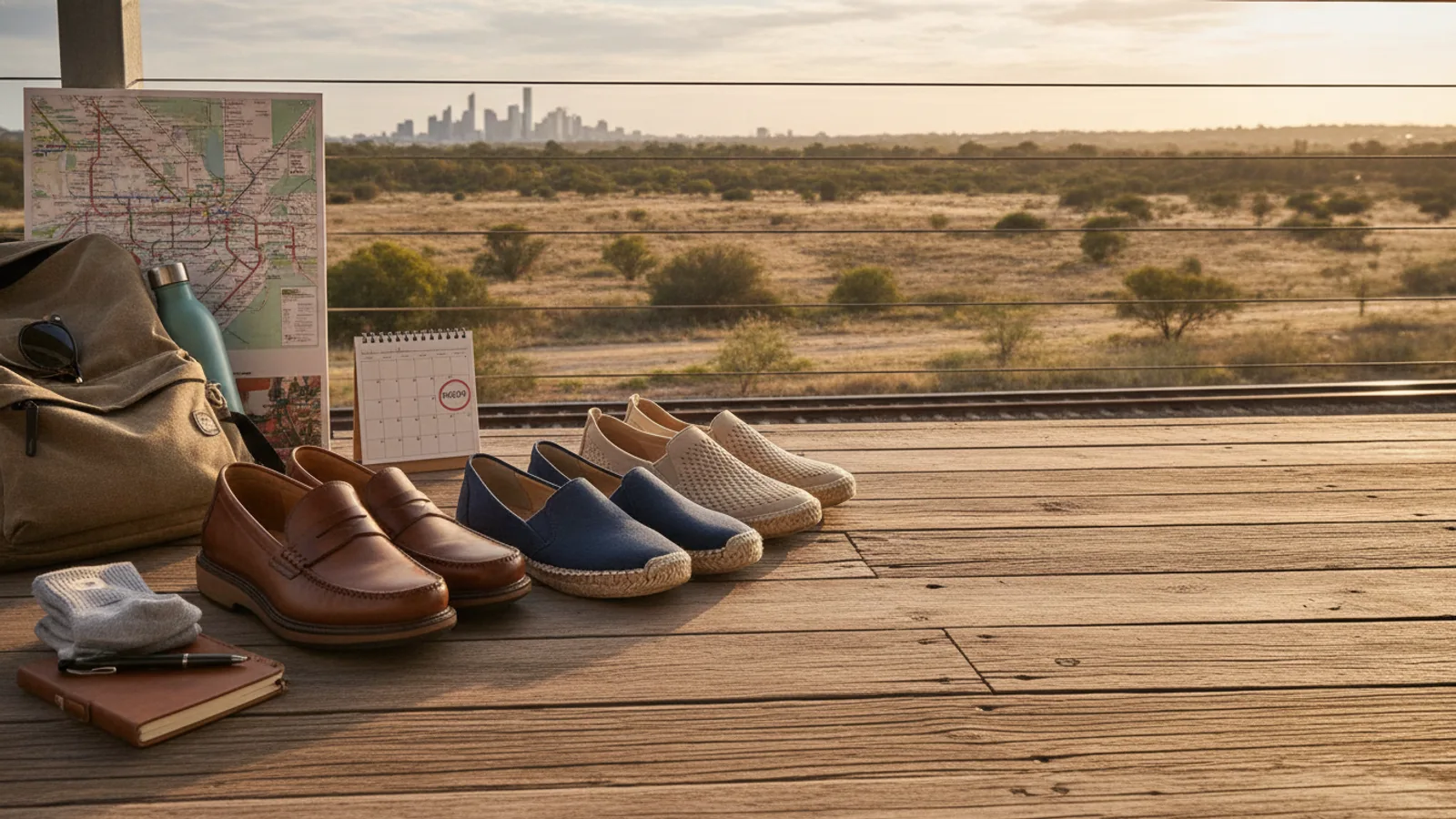
For a typical city break of two to five days, three pairs are usually enough: one comfortable walking shoe, one smarter shoe for evenings, and one sandal or slip-on for lounging or warm days. If you are limited on space, you can reduce to two pairs by making sure your walking shoes can double for casual dinners. First, count the actual days and nights of your trip. Then, for each day, imagine the most likely activity: a morning walking tour, an afternoon museum, an evening restaurant. For evenings, ask yourself if your walking shoes would pass a smart-casual dress code; if not, you need that second pair. For rest time, a sandal or flexible slip-on gives your feet a break. To check, lay out your planned outfits and see if your chosen shoes match all of them. This prevents overpacking or underpacking. Doing this step early saves money and frustration later.
Select versatile walking shoes
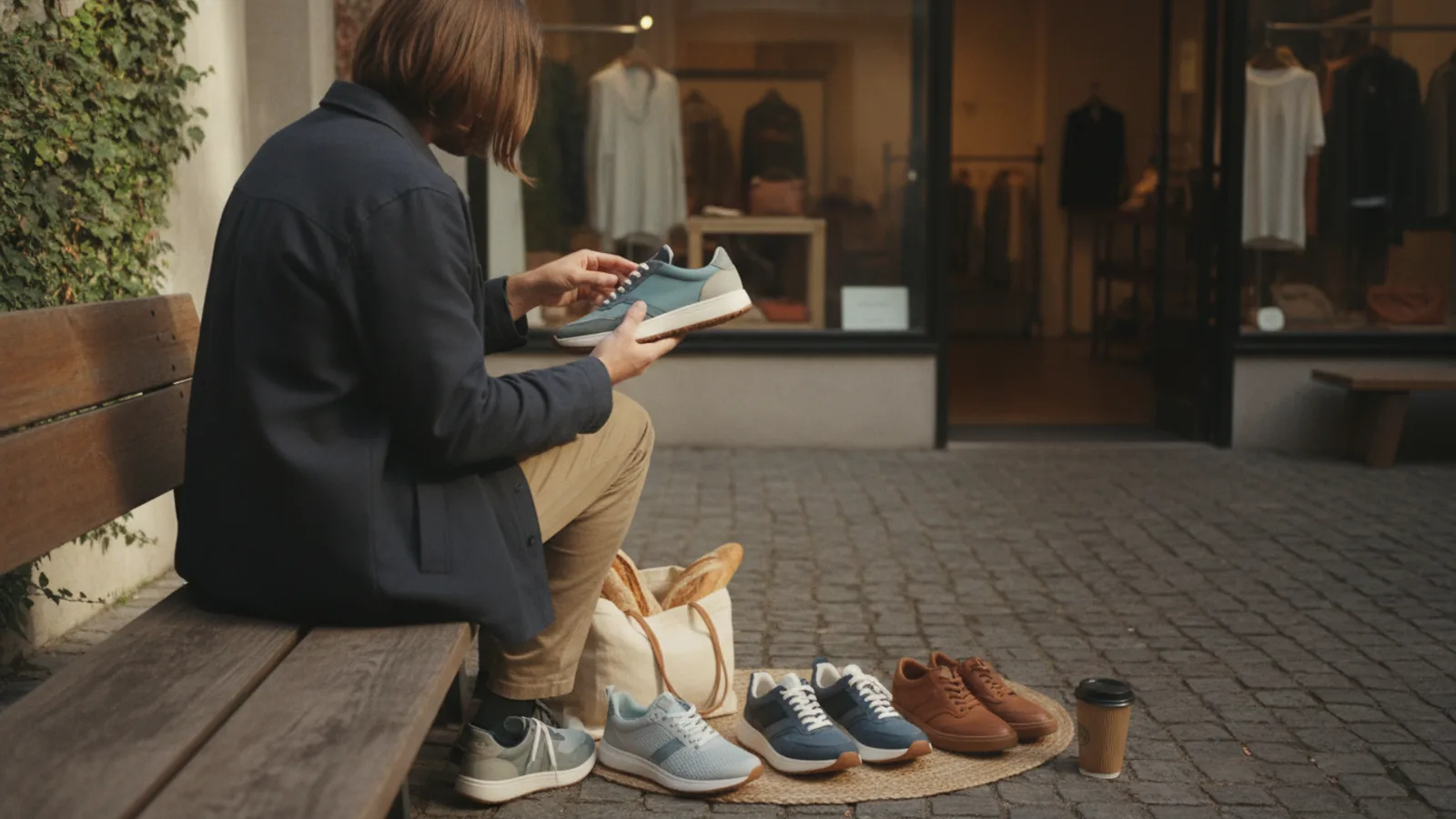
Your primary pair should be supremely comfortable for many hours of walking on concrete, cobblestones, and museum floors. Look for a low-profile sneaker or walking shoe with a cushioned insole, good arch support, and a rubber sole with visible tread for grip. Avoid shoes with smooth leather soles or high heels. Before you leave, wear them for at least two extended shopping trips or long walks to confirm they do not rub anywhere. On the day, check that your toes have a little wiggle room and your heel does not slip. Also, consider water resistance: if rain is forecast, treat your shoes with a water repellent spray, but do not guarantee they will stay dry. This pair will take you through most of your trip, so it must be the most comfortable thing you own. A broken-in, versatile walking shoe is the backbone of your kit.
Pick a smart pair for evenings
For dinners, shows, or nicer bars, you need a shoe that looks polished but is still practical for walking a few blocks. Loafers, ballet flats, ankle boots with a low heel, or clean minimalist sneakers in dark leather or suede often work well. The key is that they should be comfortable enough to stand in for a couple of hours and easy to slip on and off. Do not bring a brand-new pair that needs breaking in; wear them around your home for an evening first. To check, put them on and walk on a hard floor for ten minutes, then examine your feet for any red marks. If they cause pain, choose a different pair. For warm climates, a dressy sandal might be fine, but always have a closed-toe option for cooler nights. This second pair can also serve as a backup if your walking shoes get wet or need airing.
Include a lightweight recovery shoe
After a day of sightseeing, your feet will appreciate a roomy, flexible shoe that allows them to swell without restriction. This could be a pair of soft sandals, espadrilles, or a slip-on sneaker with a wide toe box. This shoe is not for heavy walking; it is mainly for the hotel room, a walk to a nearby café, or poolside if your hotel has one. Make sure it packs flat or can be squeezed without permanent creasing. To check, try folding the shoe near the toe; if it springs back with no damage, it is packable. Also, choose a material that is breathable and easy to clean, like canvas or rubber. This recovery pair gives your main shoes a day off to air out and dry, which extends their lifespan and keeps them smelling fresh. Even on a short trip, having this third pair can prevent foot fatigue.
Pack shoes to save space and protect clothes
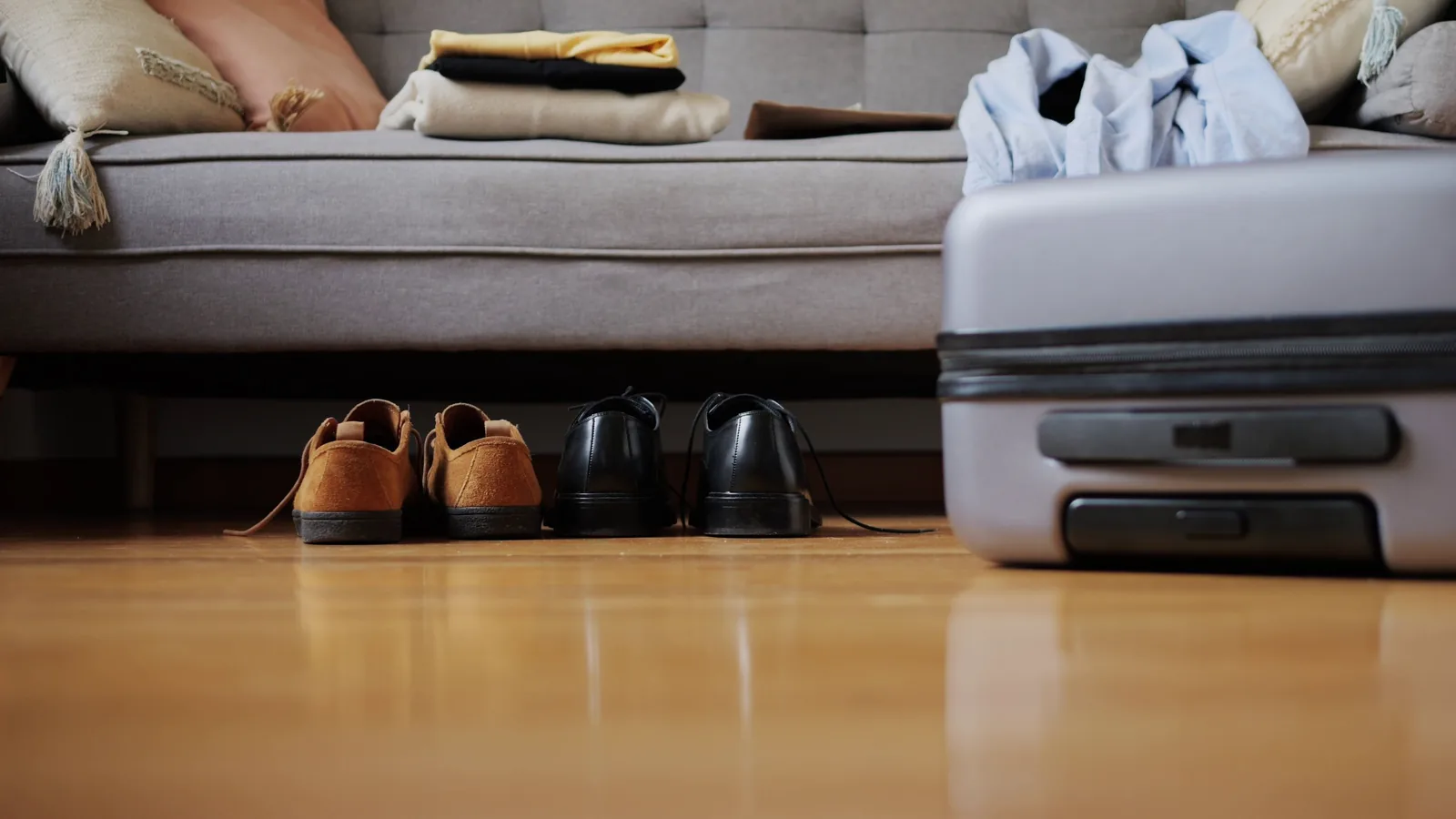
Use shoe bags or reuse the cloth bags from previous purchases to keep each pair separate from your clothes. If you do not have bags, wrap each shoe in a shower cap or a plastic bag – but make sure the shoe is clean and dry first. Stuff each shoe with socks, underwear, or a small packing cube to hold its shape and fill the empty space. Place shoes along the sides or bottom of your suitcase, with the soles facing outward to avoid transferring dirt onto garments. Put heavier pairs near the hinge side of the suitcase, close to the wheels, to keep the center of gravity low. To check, lift your bag; if it tilts to one side, reposition the shoes. When you arrive, take out the shoes and air them for an hour before wearing. This packing method maximizes space and prevents dirty soles from soiling your clothes.
Maintain foot comfort and shoe hygiene
Your feet and shoes need daily attention during the trip. Start by wearing moisture-wicking socks if you wear closed shoes; they reduce friction and help prevent blisters. If a hot spot develops, apply a blister plaster immediately before it becomes a problem. At the end of each day, wipe your shoes with a damp cloth to remove dust and salt stains, then air them in a well-ventilated spot, not directly on a radiator. Rotate your shoes: never wear the same pair two days in a row if possible. If your feet swell, soak them in cool water for a few minutes and elevate them for a while. Also, carry a small foot care kit with bandages, blister pads, and a tiny tube of anti-chafing balm. This routine keeps your feet in good shape and your shoes looking decent for the rest of the trip.
Quick Reference
| Situation | Action | Why it helps |
|---|---|---|
| You are about to board a flight and must carry your bulkiest pair of shoes. | Wear your heaviest or most rigid shoes on the travel day, and pack the lighter pairs in your suitcase. | This reduces the weight you have to lift and frees up space in your luggage for other items. |
| You are packing for a city break with unpredictable rain showers. | Treat your walking shoes with a water-repellent spray, and pack a lightweight pair of waterproof overshoes if you expect heavy rain. | Keeping your shoes dry prevents blisters and extends the life of your footwear, so you stay comfortable on long walks. |
| You have limited bag space and need to decide which third pair to skip. | Skip the recovery shoe if you can use your smart pair as a casual option; instead, pack a pair of foldable flats that take almost no space. | This gives you a spare shoe without sacrificing much luggage space, and you still have something comfortable for downtime. |
Common Issues
- New shoes cause blisters despite 'breaking them in' at home.: Wear them for progressively longer periods at home, use nylon socks, and apply anti-chafing balm to any hot spots. If blisters still form, use hydrocolloid plasters and change your socks halfway through the day.
- Shoes get soaked in a downpour and take days to dry.: Stuff them with newspaper or dry towels to absorb moisture, replace the paper hourly, and keep them in a warm, dry place away from direct heat. Never use a hairdryer or radiator, as that can misshape the leather or fabric.
- You packed too many shoes and your bag is overweight.: Consolidate: choose the two most versatile pairs and leave the third behind if you can. Wear the heaviest pair on your travel day, and mail non-essential items home if you are already at your destination.
Advanced Tips
- Invest in custom orthotic insoles tailored to your arch type to transform the comfort of any shoe, but make sure they fit in all your pairs before packing.
- Use a shoehorn to put on shoes without crushing the back counter, which helps maintain their shape and extends their lifespan.
- Pack a mini sewing kit with a needle and strong thread to repair a loose sole or stitch in an emergency, as a temporary fix until you can find a cobbler.
Final Checklist
- Confirm you have exactly three pairs: walking, smart, and recovery, all broken in and comfortable.
- Pack all shoes in dedicated bags, stuff them to hold shape, and place them in your suitcase with soles facing outward.
- Include a small foot care kit with plasters, anti-chafing balm, and a needle and thread.
- Treat your walking shoes with water repellent if rain is possible, and rotate your shoes daily to let them air out.
FAQ
Can I pack just one pair of shoes for a short city trip?
Yes, but only if you choose a highly versatile pair that is comfortable for walking and acceptable for evening venues. For trips shorter than two nights, a clean pair of minimalist sneakers in a neutral color may suffice. Check with your accommodation if they offer slippers, and be prepared to wipe down your shoes daily to keep them presentable.
How do I keep my shoes from smelling after a day of sightseeing?
Wear moisture-wicking socks, let your shoes air out overnight, and sprinkle baking soda inside them before bed. In the morning, shake out the powder. You can also carry a small travel-size shoe deodorizer, but avoid sprays that leave residue. If your feet sweat a lot, use an antiperspirant specifically for feet.
What is the best way to protect my shoes in my luggage?
Wrap each pair in a cloth bag or use shoe-shaped pouches to keep them from rubbing against clothes. Stuff them with socks or a packing cube to help them keep their shape. Place them along the bottom or sides of your bag, with soles facing outward to prevent dirt from transferring. If you have a hard-shell case, place the heaviest pair at the bottom near the wheels.