How To Choose An Easy Workwear Outfit Around Comfortable Flats
A practical step-by-step guide to how to choose an easy workwear outfit around comfortable flats, including preparation, instructions, common issues, tips, and next steps.
How To Choose An Easy Workwear Outfit Around Comfortable Flats
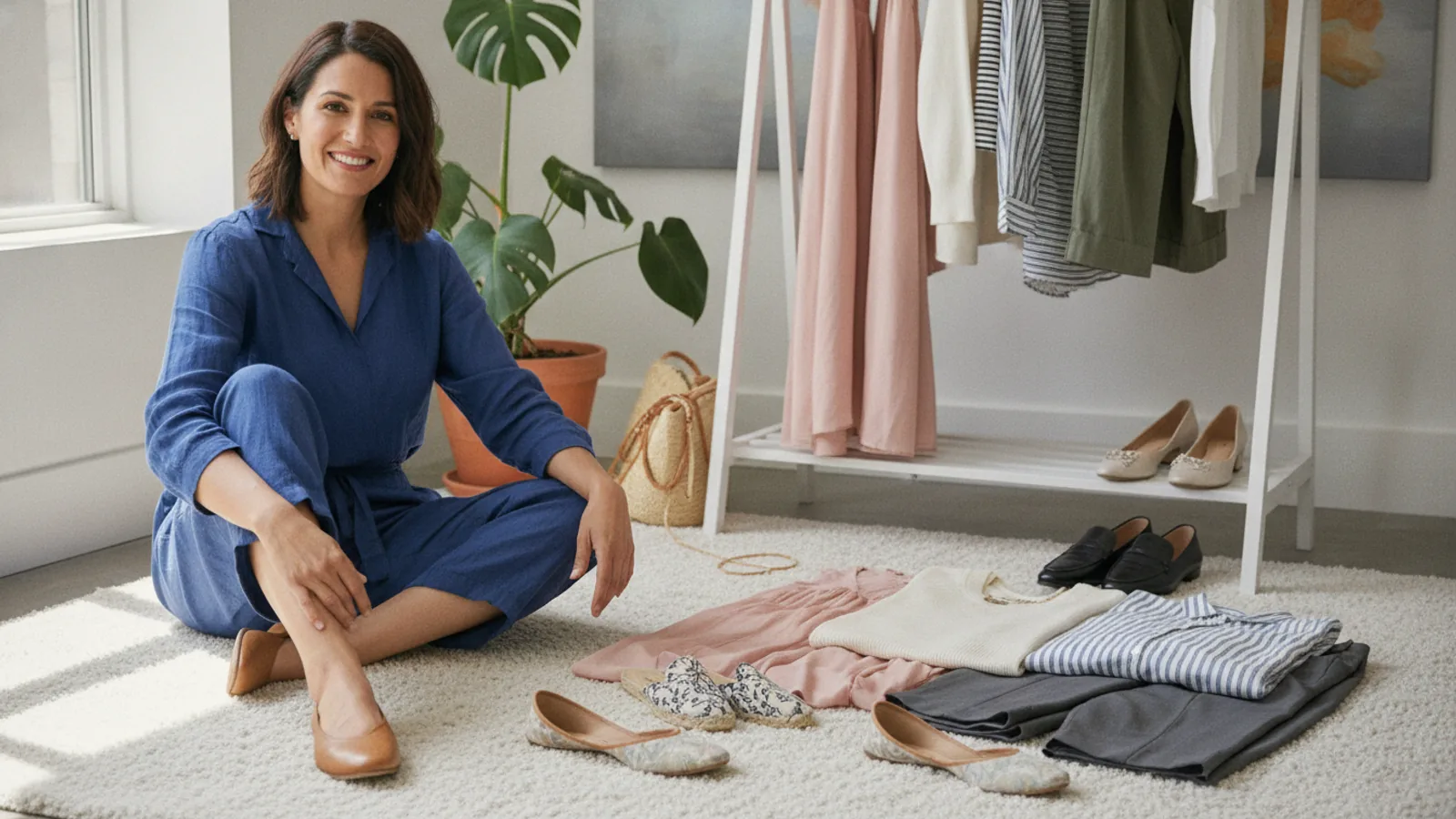
Choosing an easy workwear outfit around comfortable flats means prioritizing comfort without sacrificing a polished appearance. This guide helps you select versatile pieces, coordinate colors and textures, and style flats in a way that looks intentional and professional. By focusing on fit, fabric, and simplicity, you can create a reliable outfit formula that works for most office environments and keeps your feet happy all day.
Fast Answer
- Start with a pair of well-fitted, neutral-colored flats that have cushioned insoles and secure straps or backs.
- Pair them with tailored trousers or a knee-length skirt, a simple top, and a structured blazer or cardigan for a complete look.
Before You Start
- Check your workplace dress code to see if flats are acceptable and if there are any restrictions on colors or styles.
- Choose flats that have already been broken in to avoid blisters; test them by walking around your home for an hour.
- Select a color palette that includes at least two neutrals (such as black, navy, gray, beige, or olive) to ensure mix-and-match ease.
- Plan your outfit around the weather and indoor temperature, considering whether you need layers or breathable fabrics.
Step-by-Step Instructions
Select Supportive and Professional Flats
Begin by choosing flats that offer both comfort and a polished look. Look for styles made from leather, suede, or high-quality synthetic materials that have a structured shape rather than flimsy fabric. Ensure the sole provides some cushioning, especially in the heel area, and that the shoe hugs your heel without slipping. A small heel or a slight platform can add support, but the key is to find a shoe that feels like an extension of your foot. Avoid pointy toes if they cramp your toes; almond or rounded toes are often more comfortable. Also, consider the color: neutral shades like black, navy, or beige blend easily with many outfits. If you plan to stand or walk a lot, look for flats with arch support or plan to add insoles. Test the shoes by walking around the store or your home for several minutes to ensure there are no pressure points. The right pair will make you feel confident and steady, setting the foundation for a successful workday.
Choose Trousers or Skirts That Pair Well
Once your flats are selected, think about the bottom half of your outfit. Tailored trousers, such as straight-leg or wide-leg cuts, tend to look polished with flats because they create a clean line from hip to shoe. Avoid pants that are too long and drag on the ground; instead, have them hemmed to just above the floor or with a slight break that sits neatly on the top of your flats. If you prefer skirts or dresses, choose lengths that hit at or just above the knee, as these balance the lower profile of flats. A-line skirts and pencil skirts both work, but pencil skirts may require a bit more coordination when walking. For a relaxed yet professional look, consider culottes or cropped trousers that show a bit of ankle, which can elongate your legs. The key is to avoid bottoms that are too tight or too loose, as they can distract from the overall outfit. When in doubt, choose darker colors like charcoal or navy, as they are slimming and versatile. Ensure your chosen bottom does not create bunching or bunching around the waist, as that will make you look unkempt.
Pick a Versatile Top That Fits Well
The top you choose should complement your flats and bottom without competing for attention. Opt for simple, well-fitted blouses, button-down shirts, or fine-knit sweaters in solid colors or subtle patterns. Ensure the shoulders align correctly and the sleeves end at your wrist bone. Avoid tops that are too baggy or too tight, as they can disrupt the streamlined look. For a cohesive outfit, tuck your top into your trousers or skirt, especially if the top is longer. This creates a defined waist and prevents excess fabric from bunching around your hips. If you prefer a looser fit, choose a top with a clean hem and pair it with straight-leg pants to avoid looking sloppy. Fabrics like cotton, silk, or a linen blend add polish and comfort. The color of your top should either blend with the neutrals of your flats and bottoms or provide a subtle contrast, such as a pale blue shirt with navy pants and black flats. Avoid loud prints that might overwhelm your shoes. Also, check that the top doesn't gap at the buttons or pull across the chest, as this can be distracting.
Add a Structured Layer for Polish
Layering with a structured piece like a blazer, cardigan, or jacket instantly upgrades your outfit from casual to professional. A well-fitted blazer in a neutral tone can tie together disparate pieces and provide a clean silhouette. If a blazer feels too formal, a fine-gauge cardigan in a complementary color works as a softer alternative. Ensure the layer is not too bulky, as it may overwhelm your frame and bunch when you sit. The sleeves should end at your wrist bone, and the shoulders should align with your own. When buttoned, it should not pull across the chest; many people prefer to leave it unbuttoned for a more relaxed look. A structured layer also helps balance the casualness of flats, making the outfit look intentional. For cooler offices, a lightweight trench coat or a vest can add warmth without bulk. The key is that the layer should have some shape, not just a drapey cardigan that might look sloppy. Also, consider the color and texture: a tweed blazer adds interest, while a simple black blazer is always reliable.
Accessorize Minimally and Purposefully
Accessories should enhance your outfit without drawing attention away from your overall look. Choose a belt that matches your flats or trousers to define your waist if you are tucking in your top. Keep jewelry simple: a watch, small earrings, and a delicate necklace are usually enough. Avoid large, dangling pieces that might get caught on equipment. Scarves can add a pop of color, but keep them lightweight and not too bulky. Your bag should be practical and professional; a structured tote or a crossbody in a neutral color works well. Remember that flats are the foundation, so your accessories should coordinate with them. For example, if your flats have silver buckles, opt for silver jewelry. Also, ensure your hairstyle and grooming are neat, as this contributes to the overall professional image. The goal is to look put-together without appearing overdone. Check in a mirror that your accessories do not create clutter or noise, as jangling bracelets can be distracting. Keep it simple, and let your flats do the talking.
Do a Final Fit and Comfort Check
Before you head out the door, perform a final assessment of your outfit both visually and physically. Stand in front of a full-length mirror and check the overall silhouette: your flats should not be hidden by too-long pants, and your top should not bunch at the waist. Walk a few steps to ensure your flats stay on securely and that you can move comfortably. Sit down and stand up to confirm that your bottoms do not ride up or become uncomfortable. Check that your layers do not restrict your arm movement when you reach for things. Also, consider the temperature of your workplace: if it's often cold, ensure you have a sweater or jacket handy. Run your hand over your clothing to smooth out wrinkles, and adjust any straps or hems that may have shifted. Finally, empty your pockets to avoid bulky outlines, and make sure your accessories are secure. This check takes just a few minutes but ensures you feel confident and comfortable throughout the day, allowing you to focus on your work rather than your outfit.
Quick Reference
| Situation | Action | Why it helps |
|---|---|---|
| You have to walk several blocks during your commute and then sit at a desk all day. | Choose flats with cushioned insoles and a slightly thicker sole, and break them in before your first full day. | This combination absorbs shock during walking and provides enough support for prolonged sitting without pressure points. |
| Your office is business casual, but you have an important client meeting in the afternoon. | Swap your casual cardigan for a structured blazer and change to a crisp button-down shirt. | Adding a structured layer and a more formal top instantly elevates your look while keeping flats comfortable and appropriate. |
| It is raining outside, and you worry about your suede flats getting ruined. | Wear waterproof leather or synthetic flats that day, and apply a water-repellent spray to protect them. | Choosing weather-resistant materials prevents damage and keeps your feet dry, so you can maintain a professional appearance without stress. |
Common Issues
- Flats cause blisters on your heels or toes, especially when new.: Break in your flats gradually by wearing them around the house for short periods. Use blister-prevention products like gel pads or friction sticks, and wear thin, no-show socks if style permits.
- Trousers are too long and drag on the ground, getting dirty and frayed.: Take your trousers to a tailor to hem them to the appropriate length, typically with a slight break or no break. Alternatively, roll the cuffs for a cropped, fashionable look, but ensure the roll is intentional.
- Your outfit looks too casual for a professional environment despite the flats.: Upgrade the rest of your outfit by choosing tailored trousers, a structured blazer, and a silk blouse. Also, select flats with a more polished finish, like patent leather or a small heel, instead of fabric ballet flats.
Advanced Tips
- Invest in memory foam or custom orthotic insoles to match the contours of your feet, providing all-day comfort without changing the look of your flats.
- Create a capsule work wardrobe with five to seven neutral-colored pieces that all coordinate, so you can mix and match effortlessly and always have a foolproof outfit.
- Consider having a second pair of flats at your desk to rotate with your walking pair, allowing for airing out and reducing wear on a single pair.
Final Checklist
- Flats are comfortable, broken in, and have good arch support if needed.
- Trousers or skirt length suits the flat height and do not drag.
- Top fits well and is tucked or hemmed neatly.
- A structured layer and minimal accessories complete the polished look.
FAQ
Can I wear casual sneakers instead of flats for a work outfit?
Casual sneakers may be acceptable in very relaxed workplaces, but they often look less professional than flats. If you choose sneakers, opt for clean, minimal white or neutral styles in a leather or knit material, and pair them with tailored pieces to maintain a polished look. Always check your company's dress code first.
How do I prevent foot odor when wearing flats all day?
Wear moisture-wicking socks or use foot powders to keep feet dry. Choose flats with breathable materials like leather or canvas, and rotate your shoes daily to allow them to air out. Also, consider using shoe deodorizers or cedar shoe trees overnight.
What colors of flats are most versatile for a work wardrobe?
Neutral colors like black, navy, beige, taupe, and gray are the most versatile because they pair easily with most work outfits. Investing in a pair in a shade that matches your most common trousers or skirts ensures you can wear them frequently without clashing.