How To Choose A Shoe Wardrobe That Works Across A Warm Season
A practical step-by-step guide to how to choose a shoe wardrobe that works across a warm season, including preparation, instructions, common issues, tips, and next steps.
How To Choose A Shoe Wardrobe That Works Across A Warm Season
Choosing shoes for warm weather means balancing breathability, support, and versatility so your feet stay comfortable from morning errands to evening outings. This guide walks you through building a compact shoe wardrobe with core styles, smart materials, and practical care tips, helping you avoid common pitfalls like blisters or overheating while keeping your look polished all season.
Fast Answer
- Pick three core pairs: breathable sneakers, lightweight sandals, and versatile loafers or slip-ons, then rotate them based on your daily activities.
- Focus on open or mesh designs with natural materials like cotton or leather, and choose neutral colors that match most of your warm‐weather outfits.
Before You Start
- Check the weather forecast for your area to know if you'll face hot, humid, rainy, or dry conditions, so you can select appropriate materials and styles.
- Examine your current shoes for wear and tear, especially the soles and cushioning, to determine which pairs are still supportive enough for daily use.
- Think about your typical weekly activities—work, errands, workouts, and leisure—so you can decide which shoe types deserve priority.
- Gather a soft brush, mild soap, and a dry cloth to clean and refresh your shoes before storing or wearing them for the season.
Step-by-Step Instructions
Audit your current shoes
Start by pulling out every pair of shoes you own and looking at them honestly. Check the soles for uneven wear, the insoles for flattened cushioning, and the upper material for cracks or thinning. Place each shoe on a flat surface and see if it rocks side to side. If a shoe tilts or the heel has worn down, it can cause ankle strain or blisters on hot days. Also note which pairs feel too tight or too loose, because warm weather makes feet swell slightly. Separate your shoes into three piles: keep and wear, repair or clean, and donate or trash. For the keep pile, think about what activities each shoe suits—walking, dressy events, or sports. This audit tells you what gaps you have, like missing a breathable option for long walks, so you know exactly what to shop for instead of buying randomly.
Choose breathable materials first
In warm weather, your feet can sweat up to a half a pint a day, so materials matter. Look for shoes with uppers made of canvas, mesh, soft leather, or suede that allow air to circulate. Avoid plastic, synthetic rubber, or thick vinyl that trap heat and moisture. For sandals, choose straps made of leather or fabric rather than plastic, as they mold better and cause less rubbing. Check that the lining inside the shoe is also breathable, like cotton or wool, not just the outer layer. Mesh panels on sneakers are excellent because they let heat escape while still giving structure. When you try on shoes, press the material and see if your fingers can feel air through it. Also, pick light colors that reflect sunlight instead of dark colors that absorb it. This step prevents sweaty, smelly feet and reduces the chance of blisters from damp skin rubbing against the shoe.
Pick three core styles
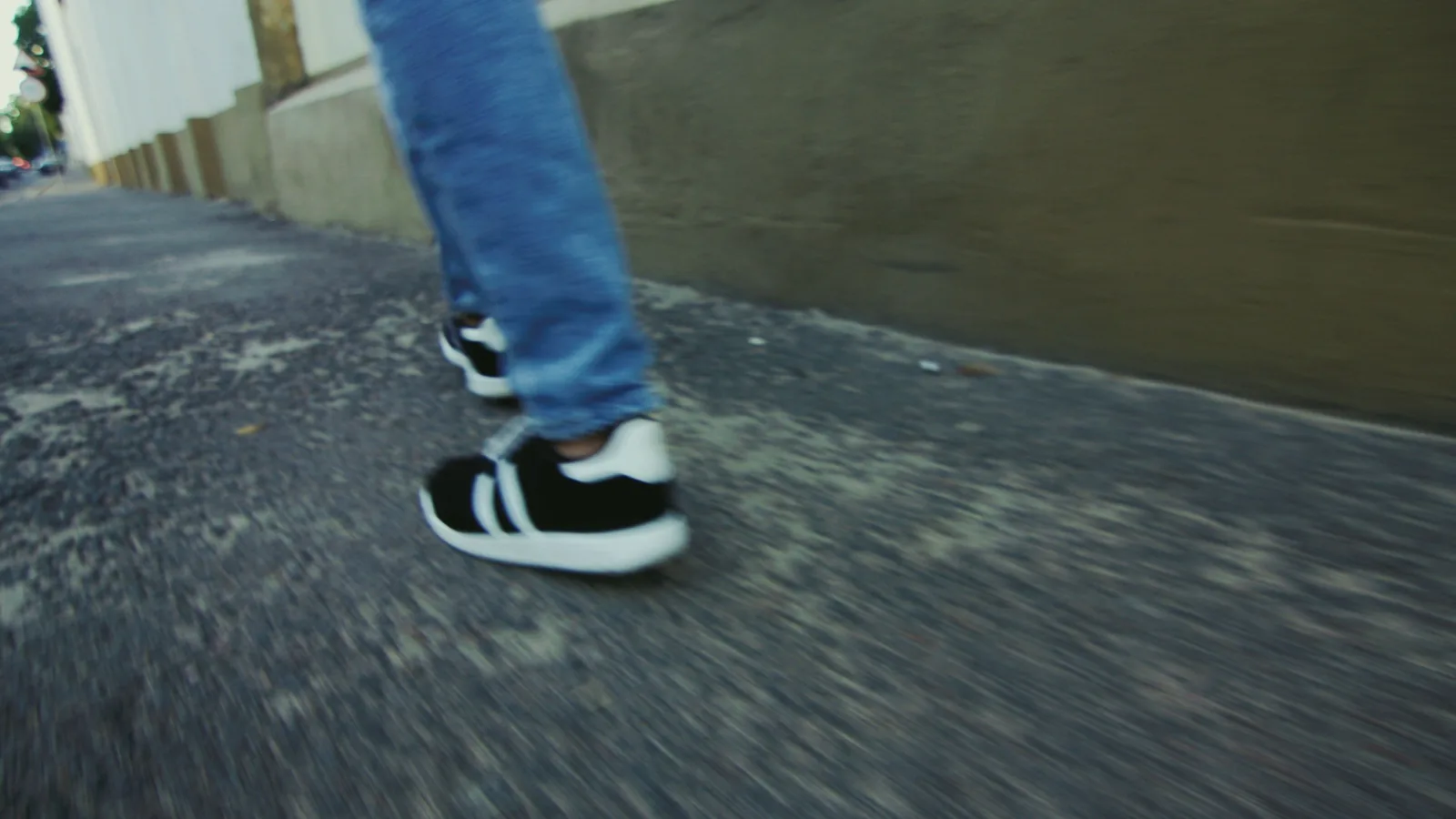
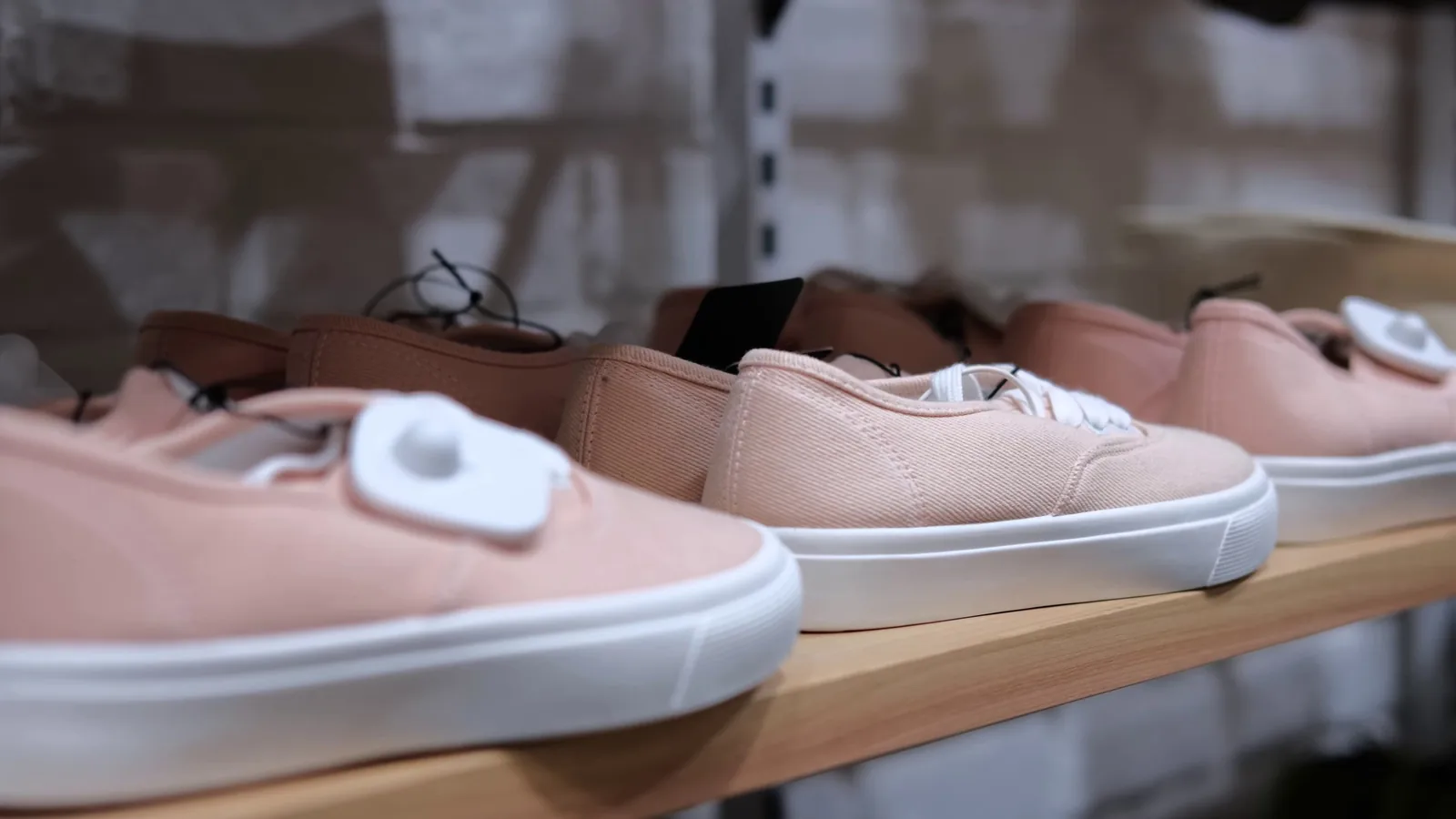
You do not need many shoes; you need the right few. For a warm‐season wardrobe, choose three versatile pairs that cover your daily life. The first is a pair of breathable sneakers, such as low‐top canvas or mesh runners, for errands, walks, and casual outings. The second is a pair of supportive sandals with adjustable straps or a contoured footbed—not flat flimsy flip‐flops—to wear on hot days when you want maximum airflow, like to the park or a farmers' market. The third is a pair of loafers, slip‑ons, or minimalist leather shoes that can dress up for dinner or work while still being lighter than boots or heavy trainers. Make sure each pair is comfortable for at least three hours of walking. Choose colors that match most of your shorts, pants, and dresses—neutrals like white, tan, navy, or gray work well.
Focus on the fit
Poor fit is the number one cause of foot pain in warm weather. Feet swell during the day, especially in heat, so shop for shoes in the late afternoon when your feet are at their largest. Wear the same type of socks you plan to use—thin cotton or wool blends for sneakers, or no socks for sandals. Check the toe area: you should have about a thumb's width of space between your longest toe and the shoe's end. For sandals, the straps should hold your heel securely without slipping, and your toes should not hang over the front or sides. Walk around the store on a hard floor and feel for any pressure points. If a shoe rubs against your heel or the sides now, it will get worse with heat and sweat. Also, consider the arch support: if your arches collapse, choose a style with built‐in support or add over‑the‑counter insoles.
Establish a rotation and care routine
Even with just three pairs, you need to rotate them to keep them fresh and extend their life. Plan to wear one pair one day, then give it at least 24 hours to air out while you wear another. This cuts down odor and allows the material to dry, preventing mildew and cracking. After each wearing, remove any loose dirt with a soft brush or damp cloth. For machine‐washable sneakers, follow the label instructions, but most leather or suede pairs need hand cleaning. Stuff shoes with newspaper or shoe trees after wearing them to help them hold their shape and absorb moisture. Store them in a cool, dry place away from direct sunlight, which can fade colors and dry out leather. Never leave wet shoes in a car or plastic bag, as heat and humidity can warp them. This routine keeps your shoes smelling neutral and looking neat all season.
Test your final combo
Before you commit to your shoe wardrobe, do a real‐world test. Wear each pair on a typical day for your routine—walk to a bus stop, spend a few hours on your feet, or take a long walk. Notice how your feet feel after two hours: do they ache, slip, or feel too hot? Check for red marks or blisters. Bring a bandage and a spare pair of socks on your first test, just in case. If any pair causes pain, try a different size or style, or consider adding insoles. Also, test them with the clothing you usually wear in warm weather, like shorts or skirts, to see if they look appropriate. Adjust as needed until all three pairs are comfortable, functional, and stylish. This final check ensures you don't discover a problem on a hot day when you have no backup.
Quick Reference
| Situation | Action | Why it helps |
|---|---|---|
| You are going to be outside all day, walking for several hours in warm, sunny weather. | Put on your breathable sneakers with moisture‐wicking socks and bring a pair of sandals in your bag for breaks if you get too hot. | Sneakers provide support and cushioning for long walking distances, while the open sandals let your feet cool down and air out during rest stops. |
| You have a dressy dinner or event in the evening, and you need to look polished without heavy or hot shoes. | Choose your loafers or slip‑ons in a neutral color, and make sure they are brushed and clean before you head out. | Loafers offer a smart appearance while being lighter and more breathable than boots or high heels, keeping you comfortable for hours. |
| The forecast shows rain or a sudden afternoon storm, and you worry about getting your usual shoes wet and ruined. | Switch to a pair of water‑resistant sneakers or closed‐toe sandals with a good sole, and let them air dry fully at home before wearing again. | This prevents water damage and slipping, and proper drying keeps the shoes from developing odor or losing shape. |
Common Issues
- Blister on the back of your heel from a new shoe: Apply a blister plaster or moleskin pad to the spot before wearing the shoe. Break in the shoe gradually by wearing it for short periods indoors, and use anti‑chafe balm on your heel. If the shoe still rubs, try thicker socks or consider stretching the heel with a shoe stretcher.
- Your feet smell even after a few hours outside: Always wear socks that wick moisture, and alternate shoes to let them fully dry. Sprinkle a little baking soda inside shoes overnight, and wash socks with a sports detergent. Also wash your feet with soap every day and keep them dry, especially between the toes.
- Sandals give you no arch support and your feet ache: Look for sandals with a contoured footbed or built‑in arch support. If your sandals are flat, add removable gel insoles designed for open shoes. Cut them to fit if needed, and replace them when they flatten.
Advanced Tips
- Use a waterproofing spray on suede and leather shoes before wearing them, even in warm weather, to protect against unexpected splashes and humidity.
- Buy a small foot roller or massage ball to use in the evening after long days on your feet; it helps relieve fatigue and improves circulation.
- Consider owning two pairs of your favorite breathable sneakers and rotate them daily so each pair has a full day to dry out, which greatly reduces odor and wear.
Final Checklist
- All three core pairs fit well, with no rubbing or slipping, and provide enough support for your daily walking.
- Every pair is made of breathable materials like canvas, mesh, leather, or fabric, and is clean and free of visible damage.
- You have a simple care routine: brushing, airing, and storing shoes properly to extend their life.
- You have tested each pair in real conditions, and you have a backup plan for unexpected rain or blisters.
FAQ
Can I wear the same pair of shoes every day in hot weather if I let them air out?
It is not ideal. Even if they air out, constant friction on the same spots can cause blisters, and the material may break down faster from sweat and heat. Rotating between at least two or three pairs gives each shoe time to completely dry and retain shape, which also reduces odor and extends the life of the shoes.
Are flat sandals okay for a warm‐weather shoe wardrobe?
Flat sandals can be fine for short walks or casual outings, but they do not provide much support or cushioning. If you plan to walk a lot or have foot conditions, choose sandals with a contoured footbed or arch support. You can also add supportive insoles, but make sure they fit and do not slip.
How do I clean and store my shoes to keep them looking good all summer?
Brush off loose dirt after each wear and wipe with a damp cloth. For most materials, use a mild soap and water solution, but test on an inconspicuous spot first. Let them air dry completely away from direct heat or sunlight. Insert shoe trees or crumpled newspaper to maintain shape, and store them in a cool, dry place.